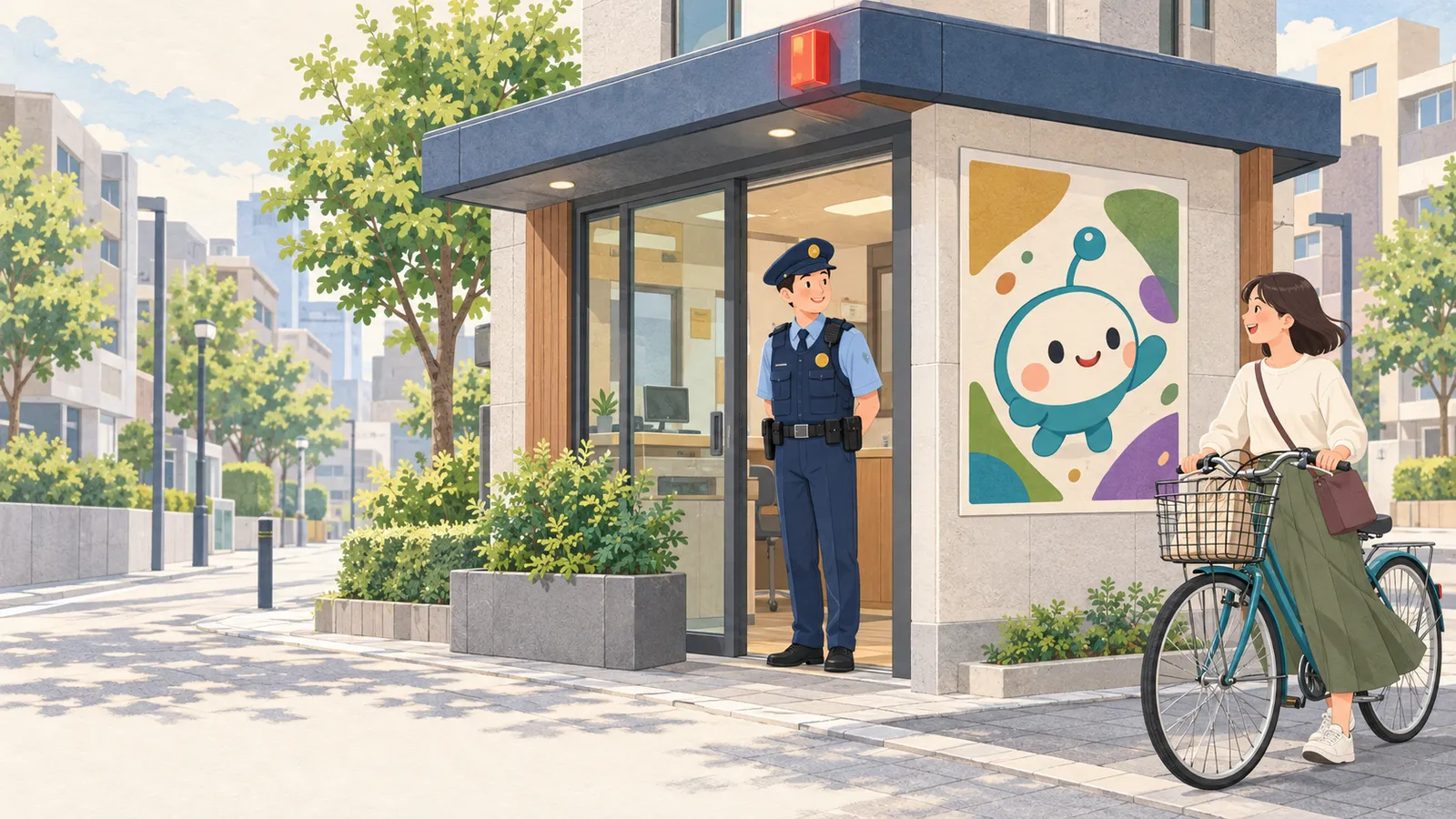
Someone holds a door open for you. In English, you say “thank you”. In Japan, the person who held the door is just as likely to hear sumimasen, which is the same word people say when they bump into someone in a crowd. It’s usually translated as “sorry” or “excuse me”.
So a Japanese speaker can apologise to someone who has just been kind to them. The reason is hiding inside the word, and once you see it, a lot of Japanese apologising makes more sense.
Sorry, in English, usually means “my fault”
Start with the English side. When an English speaker says “I’m sorry” and means it, they are usually owning up to something: I did this, and I’ll make it right. Asami Otani, a researcher at Nara University, compared apologies in English and Japanese conversations. In English, she found, the apologies came with a lot of repair work. People offered to fix the damage, or to make up for the trouble.
In the same study, English speakers said that leaning heavily on set apology phrases struck them as insincere. Many English speakers will recognise the feeling: say sorry when you did nothing wrong, and it can sound either empty or like giving away ground you didn’t need to give.
Japanese, on the other hand, leans on one set phrase all day long. To see why that works, look at what the word actually says.
A word that means “this isn’t settled”
Sumimasen comes from the verb sumu, “to be settled” or “to be finished”, with a polite ending and a negative added. Taken apart, it says something like “this isn’t settled”.
Japanese dictionaries give it three uses: to apologise, to thank someone, and to ask a favour.
Hear “this isn’t settled” inside it, and the three uses become one. When you bump into someone, you’ve taken a little of their space. When someone holds a door, they’ve given you a moment of their time. When you ask a favour, you’re about to take something. One way to read it: each time, a small debt opens up between you, and sumimasen is a way of saying “I’ve noticed, and I haven’t paid it back yet”.
Nobody has to be at fault for that. What matters is that something passed between two people.
Sorry is about who you’re talking to
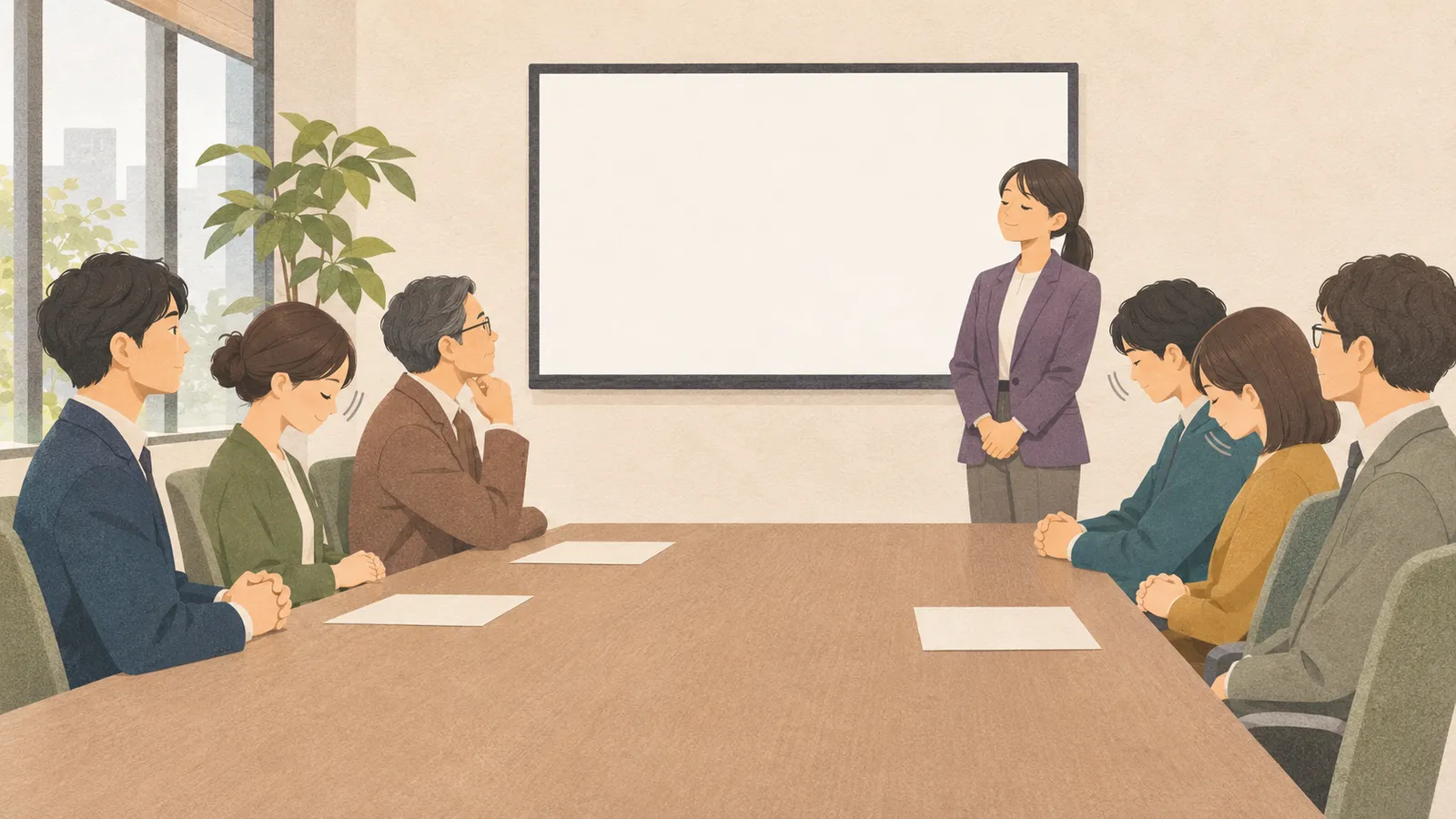
There is a hint of the same thing in how Japanese children learn to apologise. Miwa Shibasaki, who studies early childhood education, found that even in young children, how close they are to the person they have upset affects whether they apologise. And in school-age children, she found that guilt leads to an apology only in some situations. In others, it leads the child to make up for what happened instead.
Put together with the word itself, one way to read this is that an apology is shaped less by “whose fault was it?” than by “who is this person to me?”. If that is how you first learned it, saying sorry to someone who did you a favour costs very little. Leaving it out can be what feels cold.
The train that left twenty seconds early
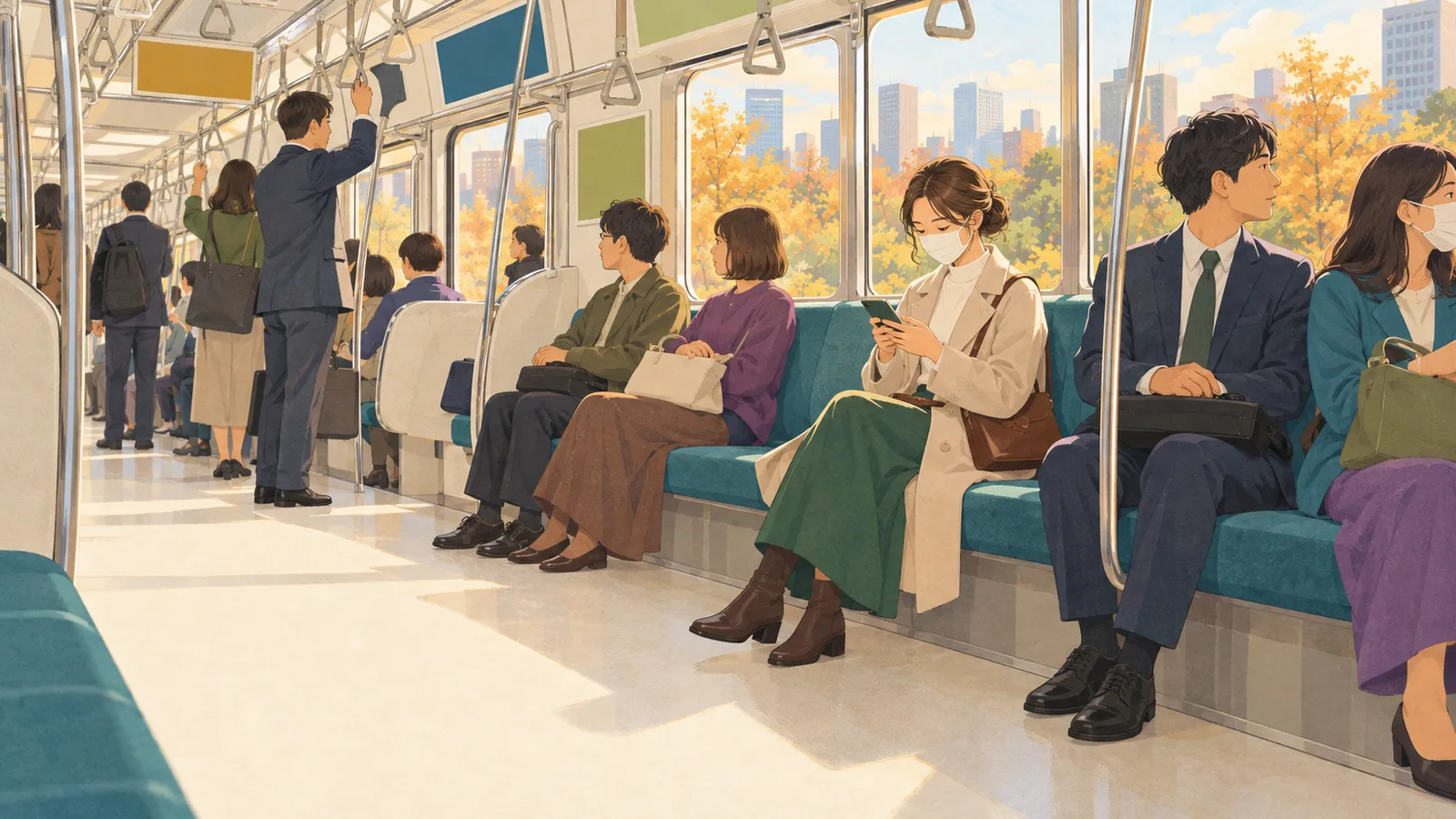
Which brings us to a train in Chiba. On 14 November 2017, a Tsukuba Express train left Minami-Nagareyama Station, just outside Tokyo, about twenty seconds early. No passenger complained. The company issued a formal apology anyway.
Read as “my fault”, it looks like a confession nobody asked for. Read as “this isn’t settled”, it makes sense. The railway had promised a time, and for twenty seconds it didn’t keep it. Something between the company and the people who rely on it wasn’t settled, and the apology settled it in public. A Japanese rail news site added a practical point: a train that leaves early can strand people who arrived on time, which is worse than one that runs a little late.
So when someone in Japan says sumimasen to the person holding the door, they aren’t confessing anything. They are saying “I owe you one, just a little”.