Manners
10 stories
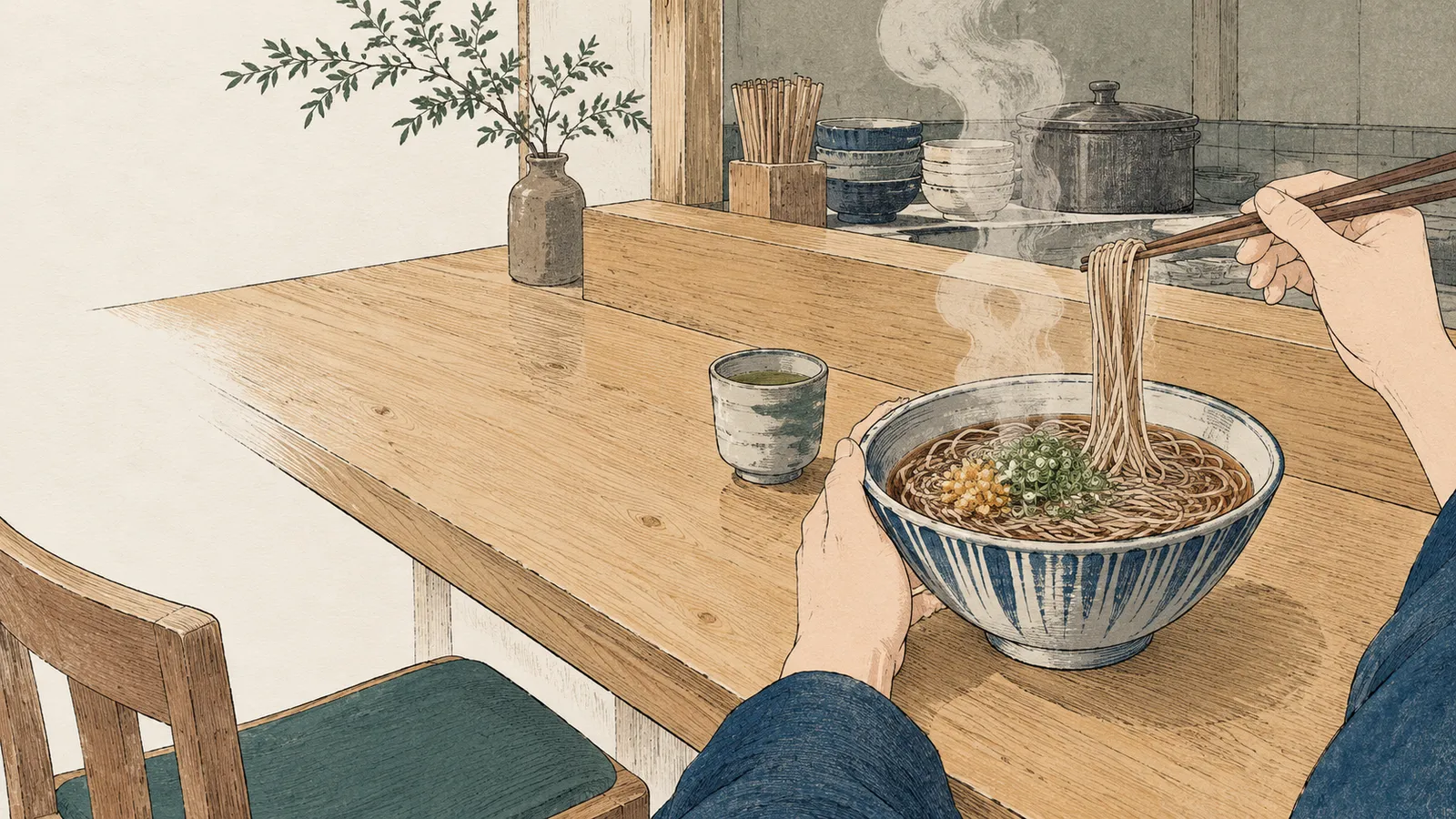
Why is it fine to slurp your noodles in Japan?
Many visitors grew up being told never to slurp. At a soba or ramen counter in Japan, most people do. Why is the noise fine there, and is it ever rude?
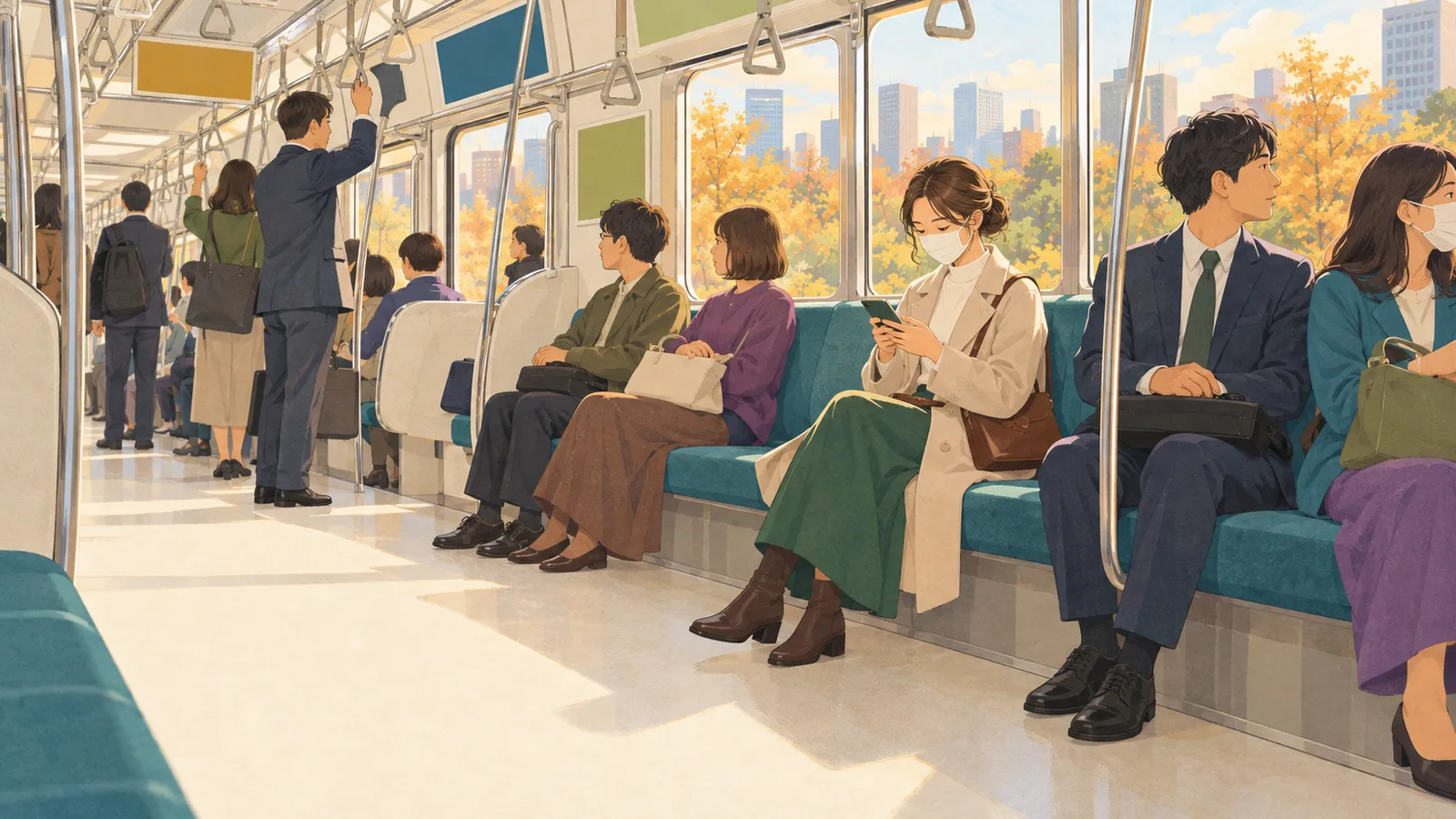
Why Do Some People in Japan Wear a Mask When They Aren't Sick?
Visitors see masks on the train and assume germs or pollution. Ask the wearers and the answers range from "I don't want to pass my cold on" to "I didn't put on makeup today."
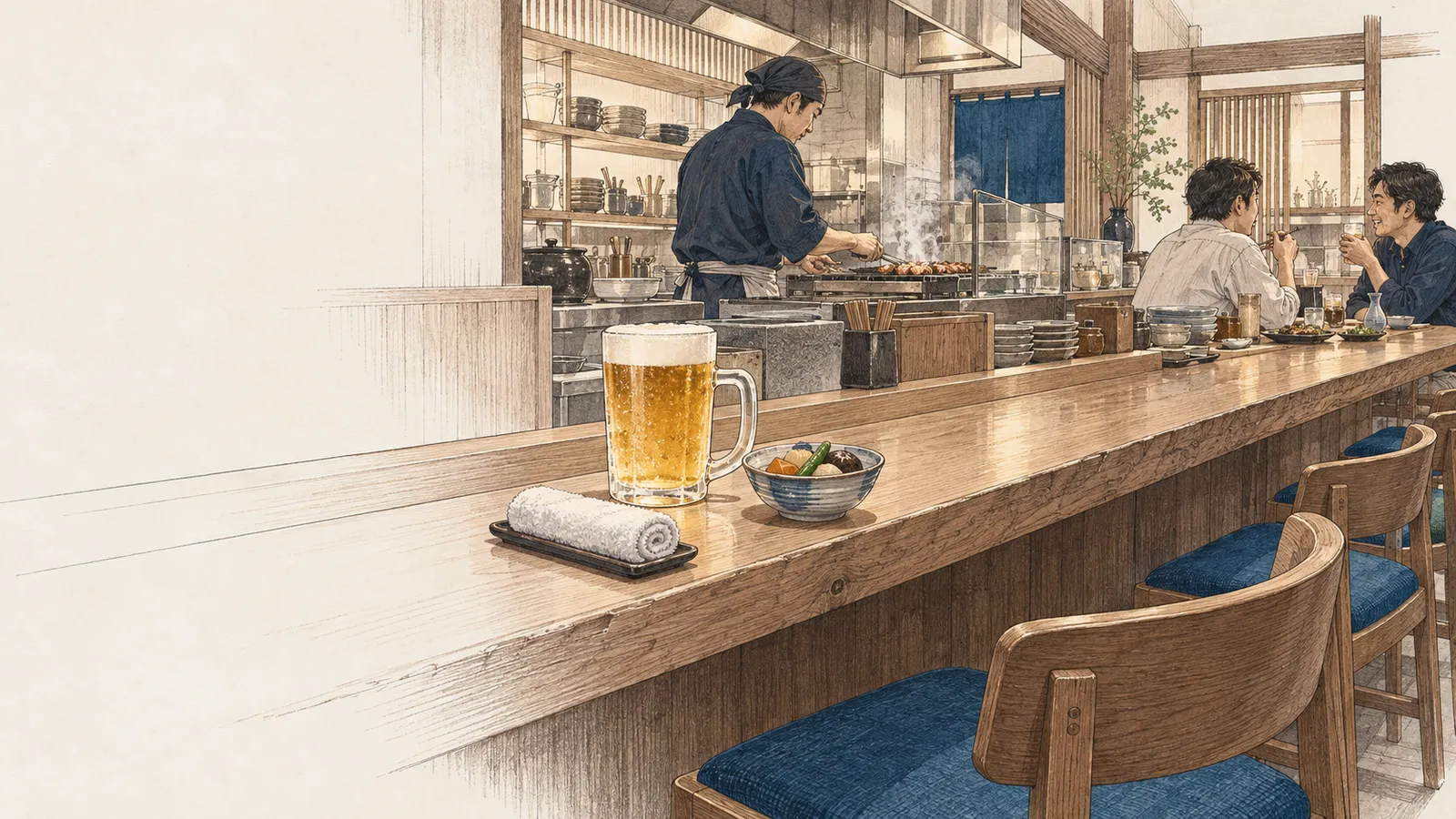
Not a bar, not quite a restaurant: what exactly is an izakaya?
Small plates, a drink first, and a dish you never ordered. Why the izakaya works the way it does, and how it became a favourite after-work stop in Japan.
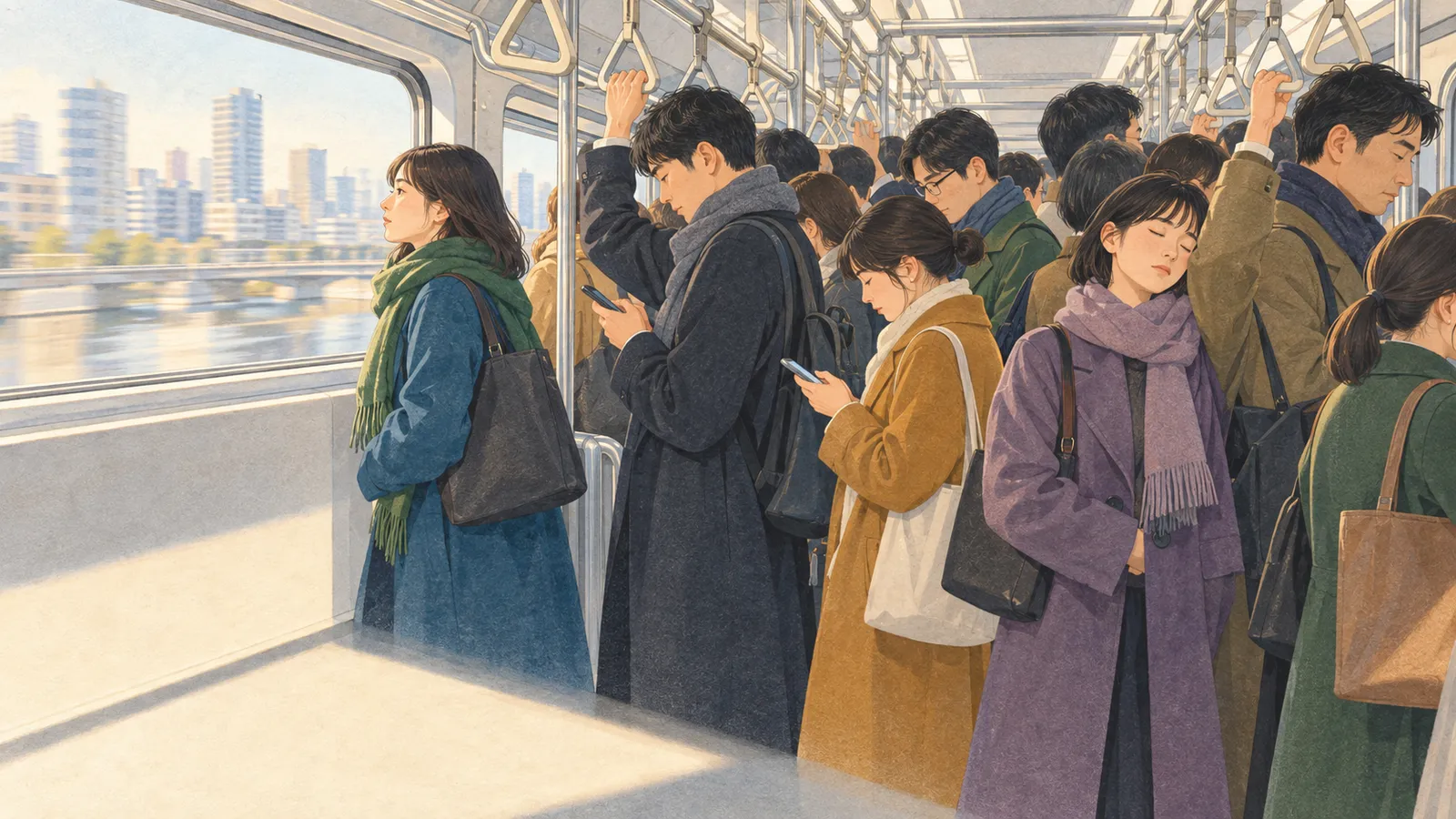
Why is a crowded Tokyo train so quiet?
Hundreds of people, shoulder to shoulder, and almost nobody talking. No law asks for it. The clues are in a station announcement, fifty years of posters and one old word.
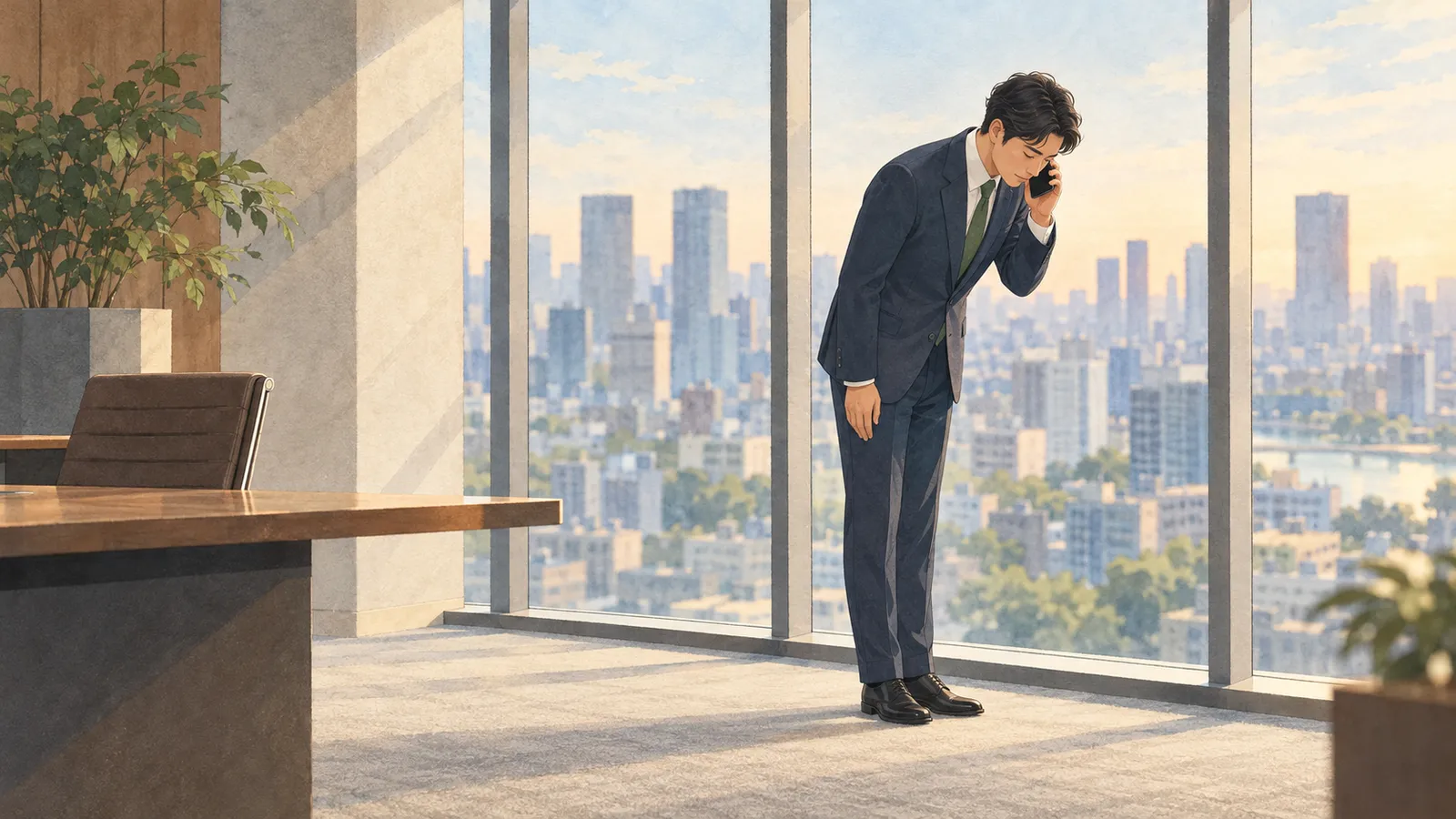
Why People in Japan Bow to Someone Who Can't See Them
Guides list neat angles for the Japanese bow. Watch someone bow into a phone, though, and the angle starts to look like the least important part.
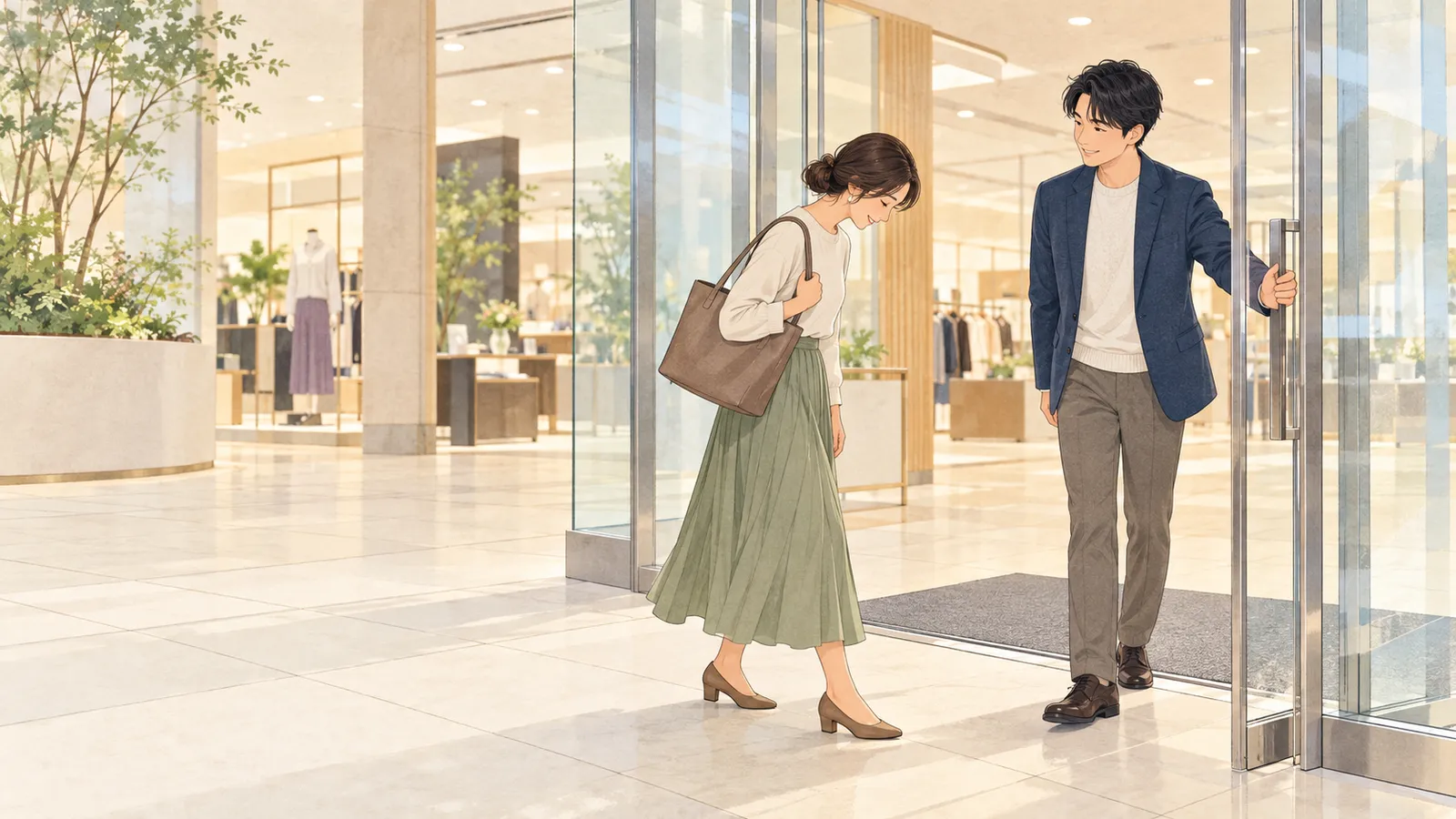
Saying sorry when nothing went wrong
In Japan, a railway apologises for a train that left twenty seconds early, and a stranger who holds a door hears "sorry" instead of "thank you". The word itself explains a lot.
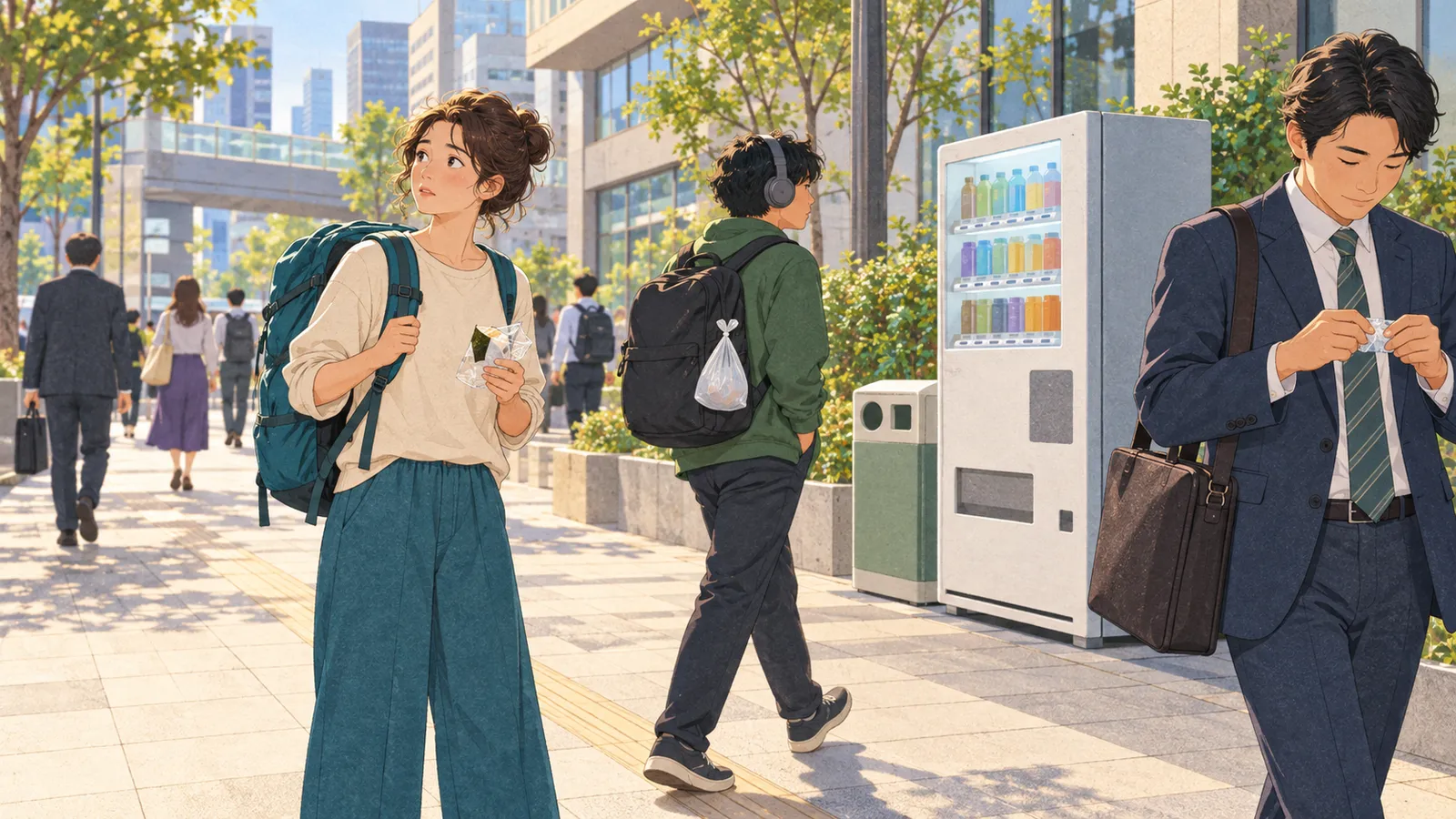
Japan has almost no public bins. So where does the rubbish go?
Visitors to Japan often end the day with a pocket full of wrappers and no bin in sight. The short answer is: home. The longer answer is how that became normal.
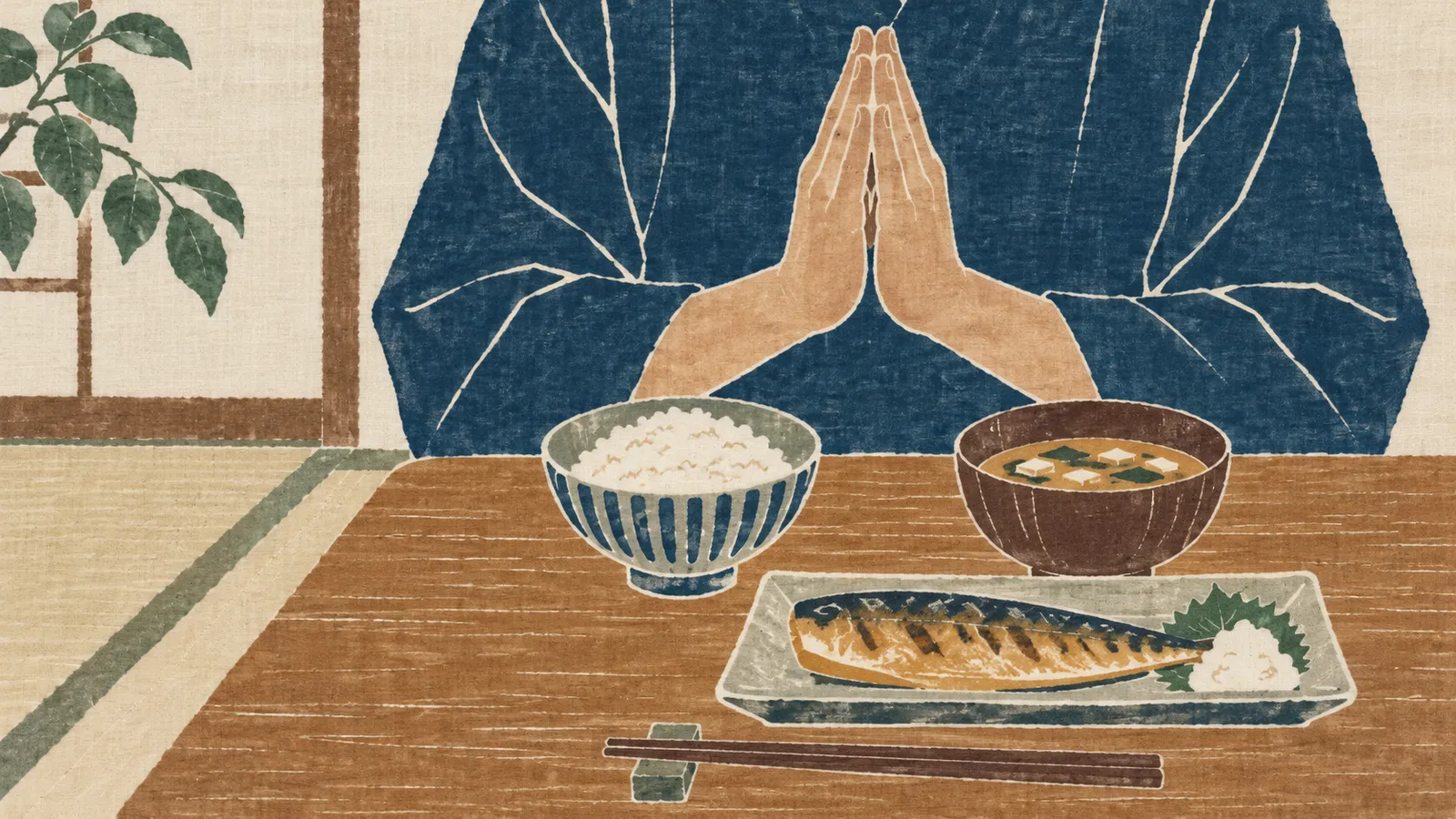
Who are you thanking when you say "itadakimasu" before a meal in Japan?
Hands together, one word, then chopsticks. Many people in Japan say "itadakimasu" before a meal, even with no religion in mind. Who is the thanks for?
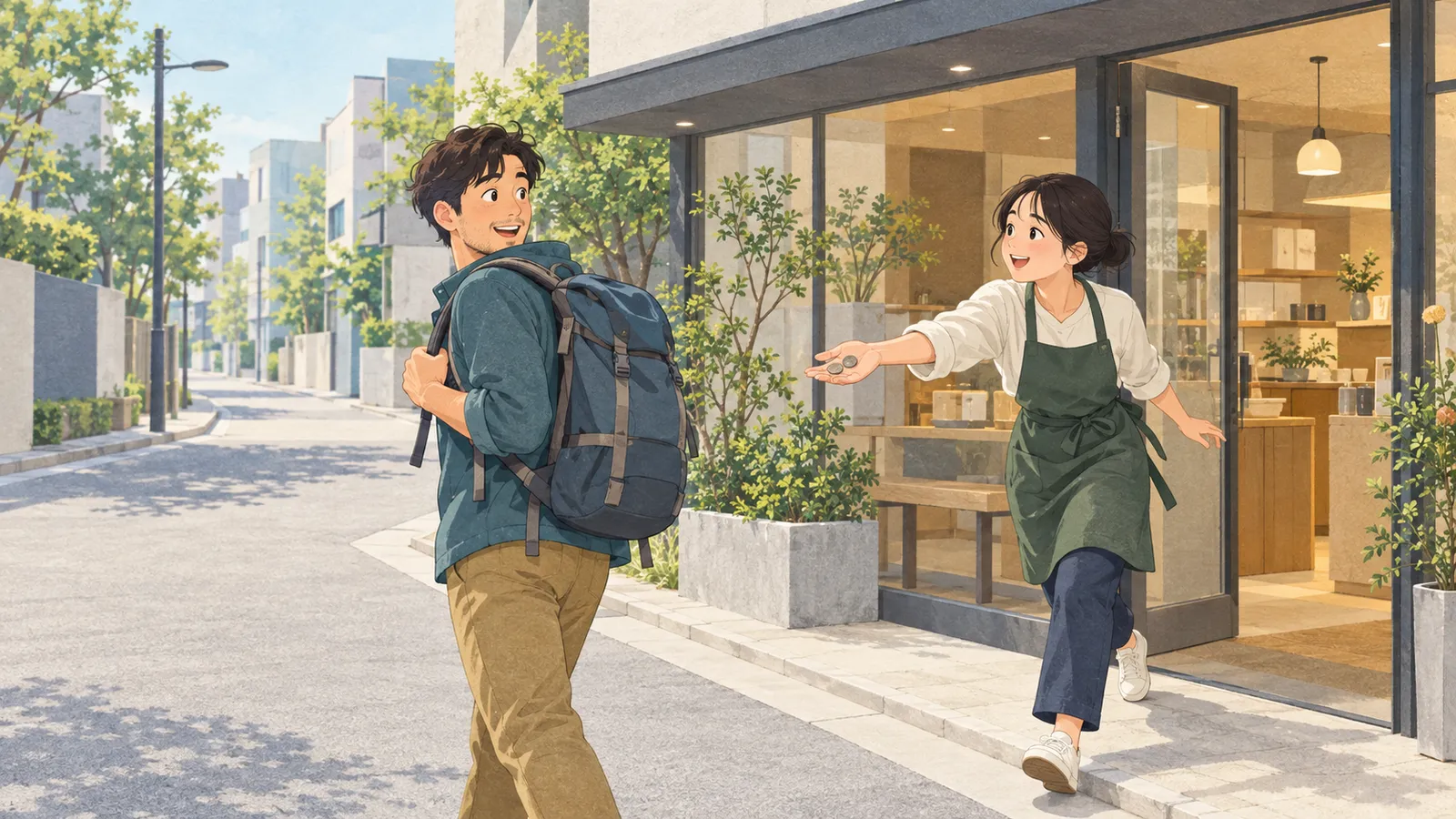
Why does everyday life in Japan run on so many small courtesies?
On a Japanese train, the top complaint is someone who will not shift over to share a seat. Where do so many small courtesies come from?
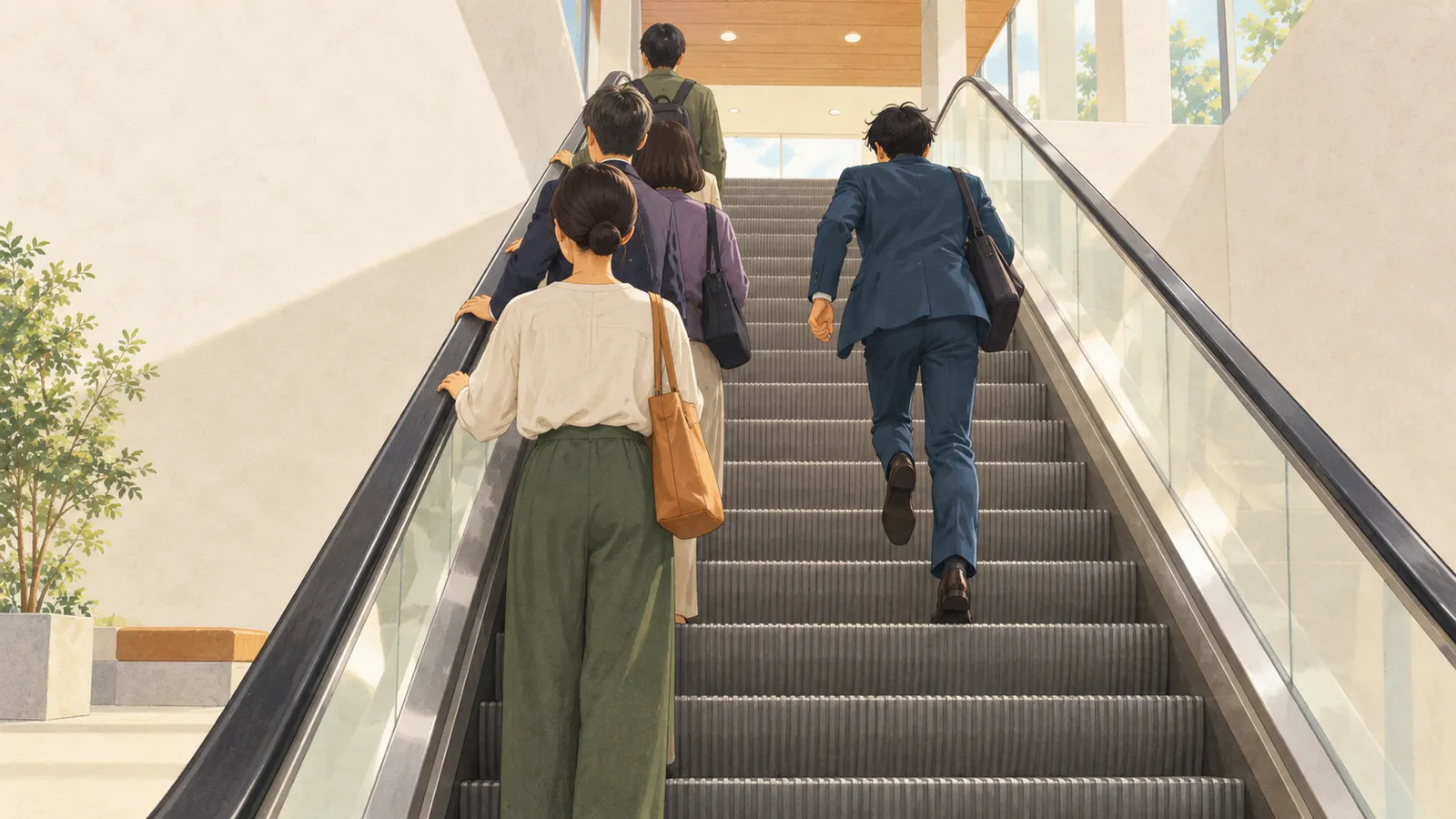
Japan's unwritten rules: a 2026 guide for first-time visitors
A dish you never ordered on the bill, a line on one side of the escalator: the small everyday rules in Japan, what people actually do, and why. Updated yearly.