All articles
34 stories, newest first
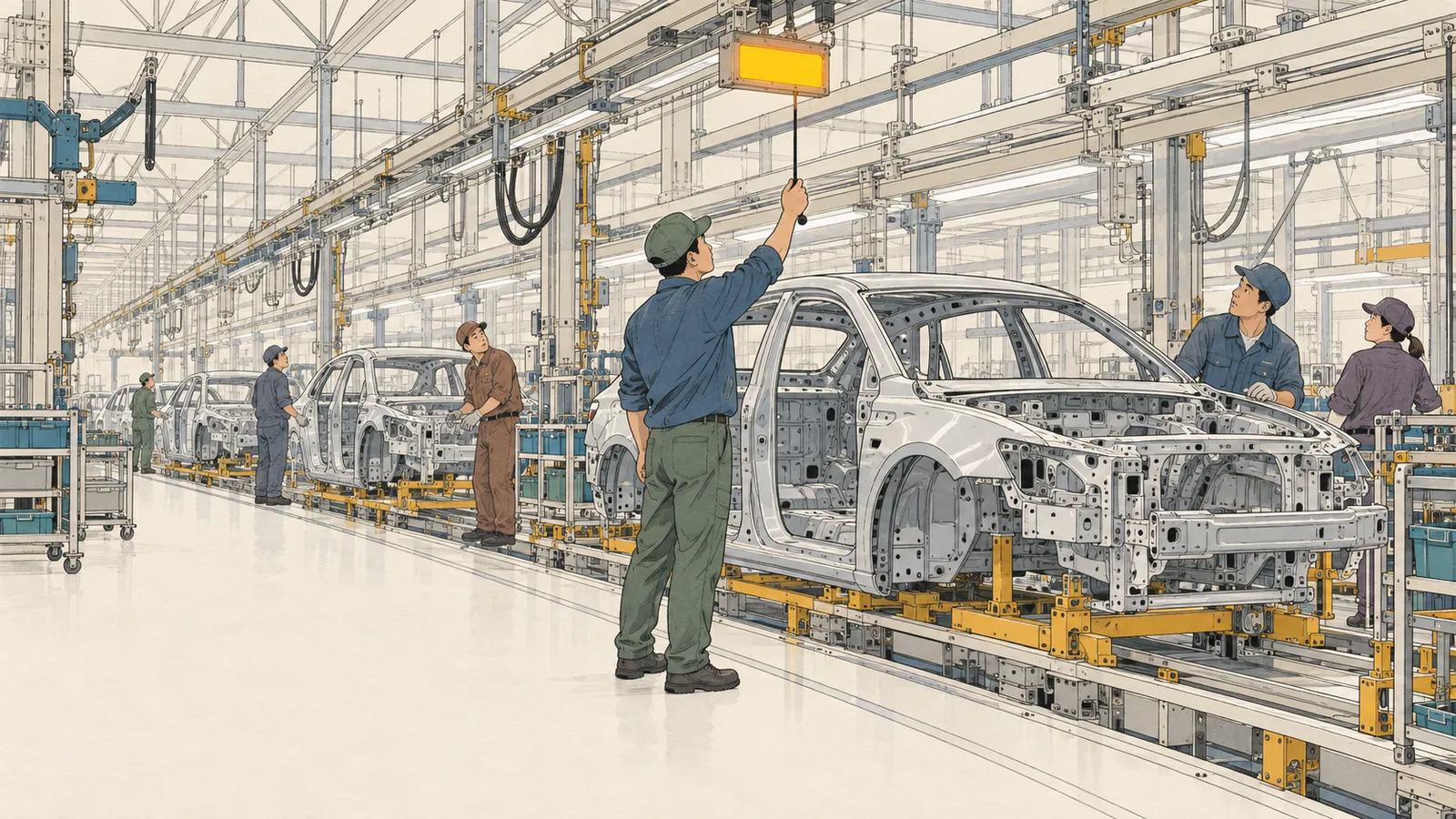
Kaizen is a business-book buzzword. What does it mean on a Toyota factory floor?
Self-help calls it small steps; consultants call it a system. On a Toyota line it means workers improving their own jobs. Where did that come from?
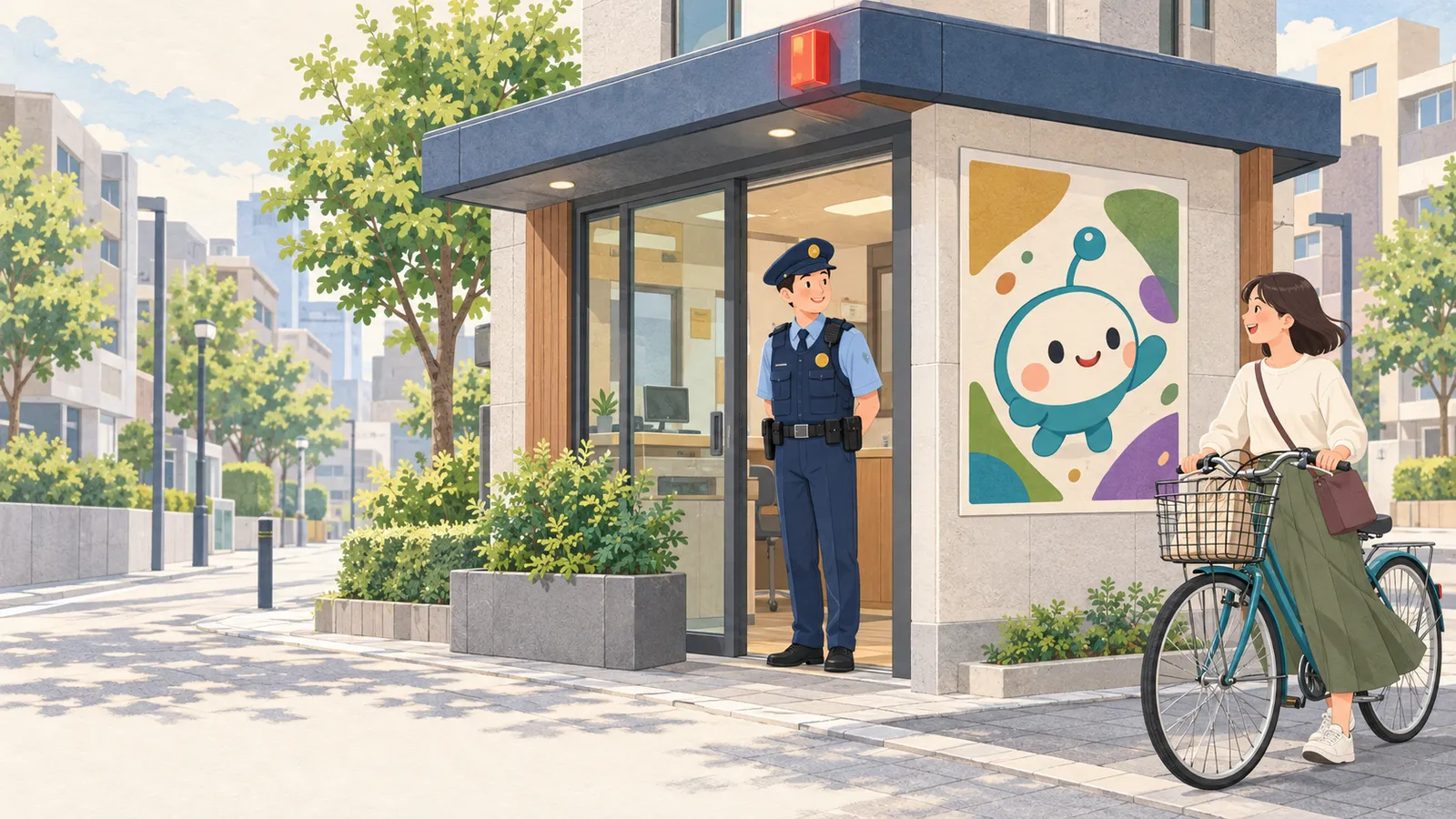
Why does Japan give cute mascots to its police, its towns and even its army?
Tokyo's police have a cartoon mascot, Kumamoto is led by a bear, and even the Self-Defense Forces have characters. Why does Japan let cuteness speak for it?
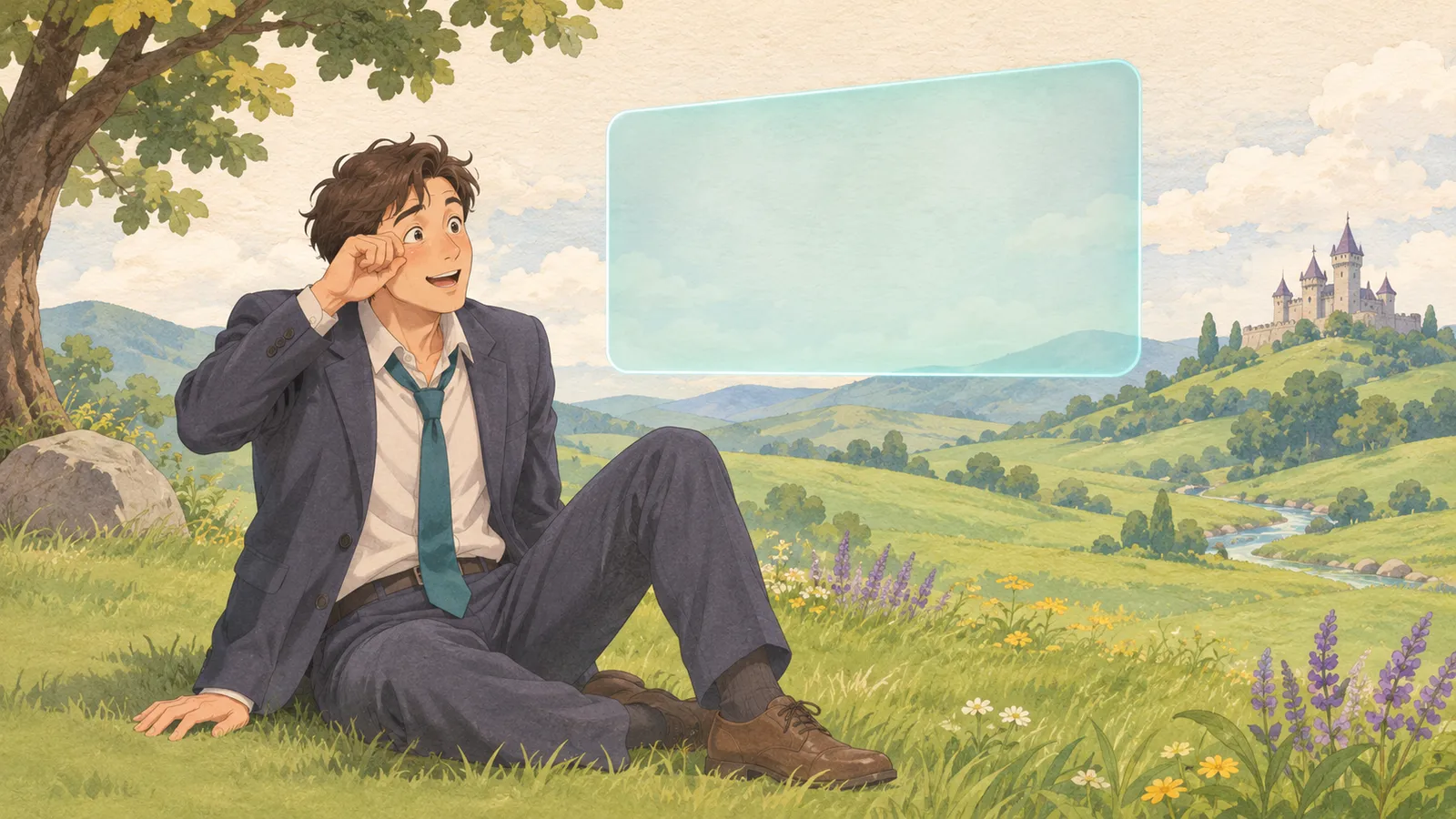
Isekai: why are so many anime about being reborn in another world?
A tired office worker dies and wakes up as a hero, a slime or a villainess in a game-like world. Why has this become one of anime's biggest genres?
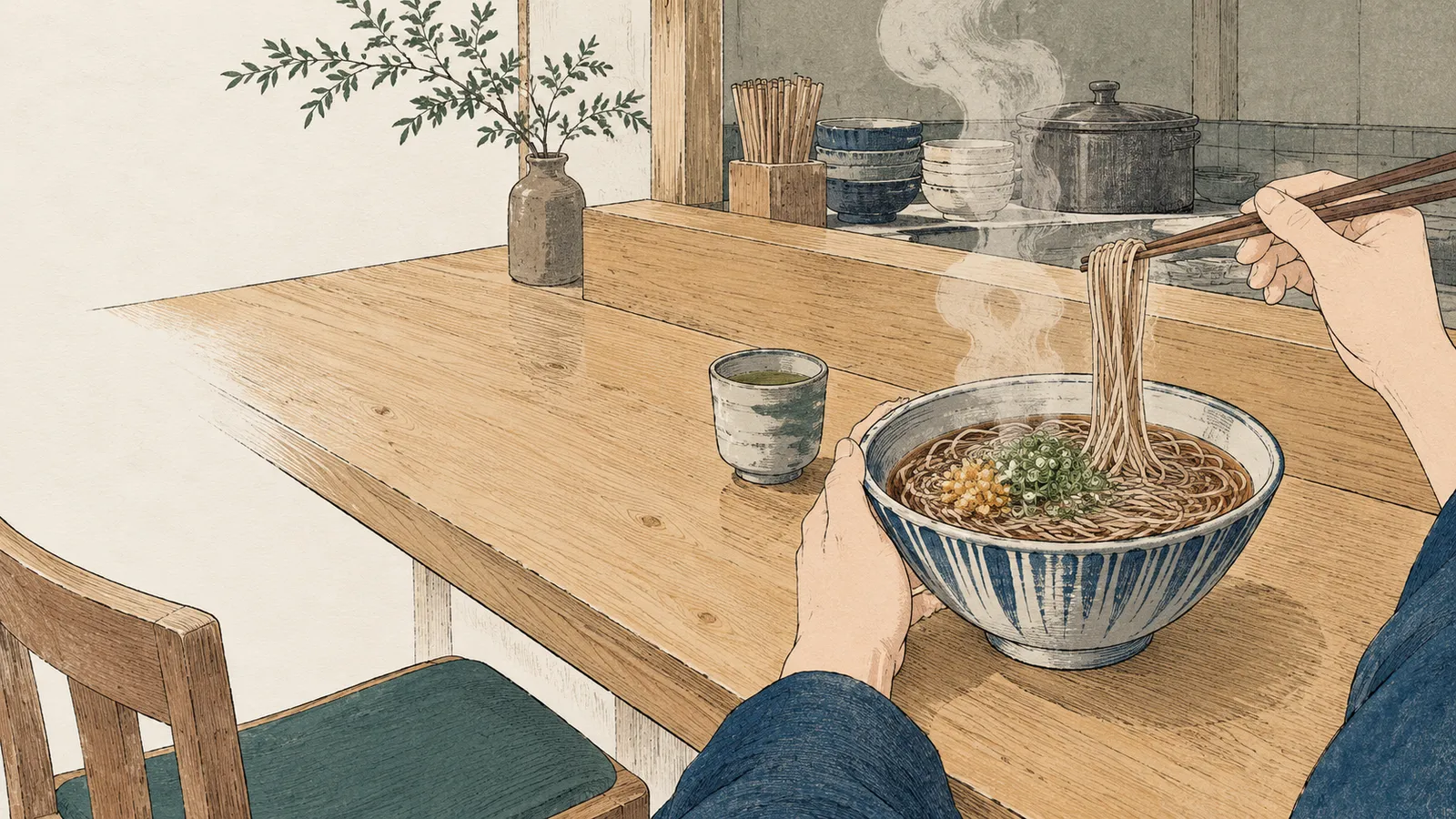
Why is it fine to slurp your noodles in Japan?
Many visitors grew up being told never to slurp. At a soba or ramen counter in Japan, most people do. Why is the noise fine there, and is it ever rude?
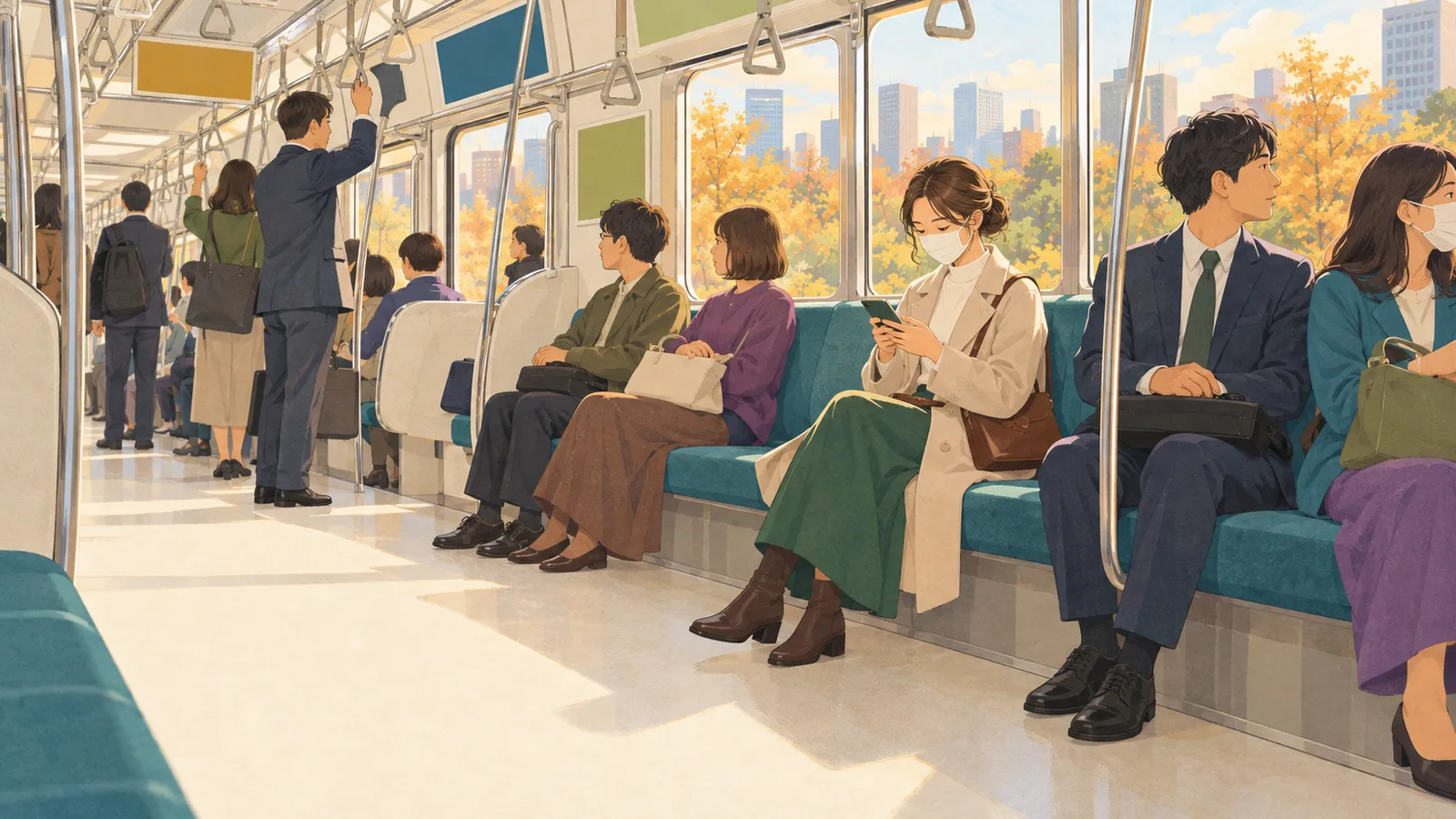
Why Do Some People in Japan Wear a Mask When They Aren't Sick?
Visitors see masks on the train and assume germs or pollution. Ask the wearers and the answers range from "I don't want to pass my cold on" to "I didn't put on makeup today."
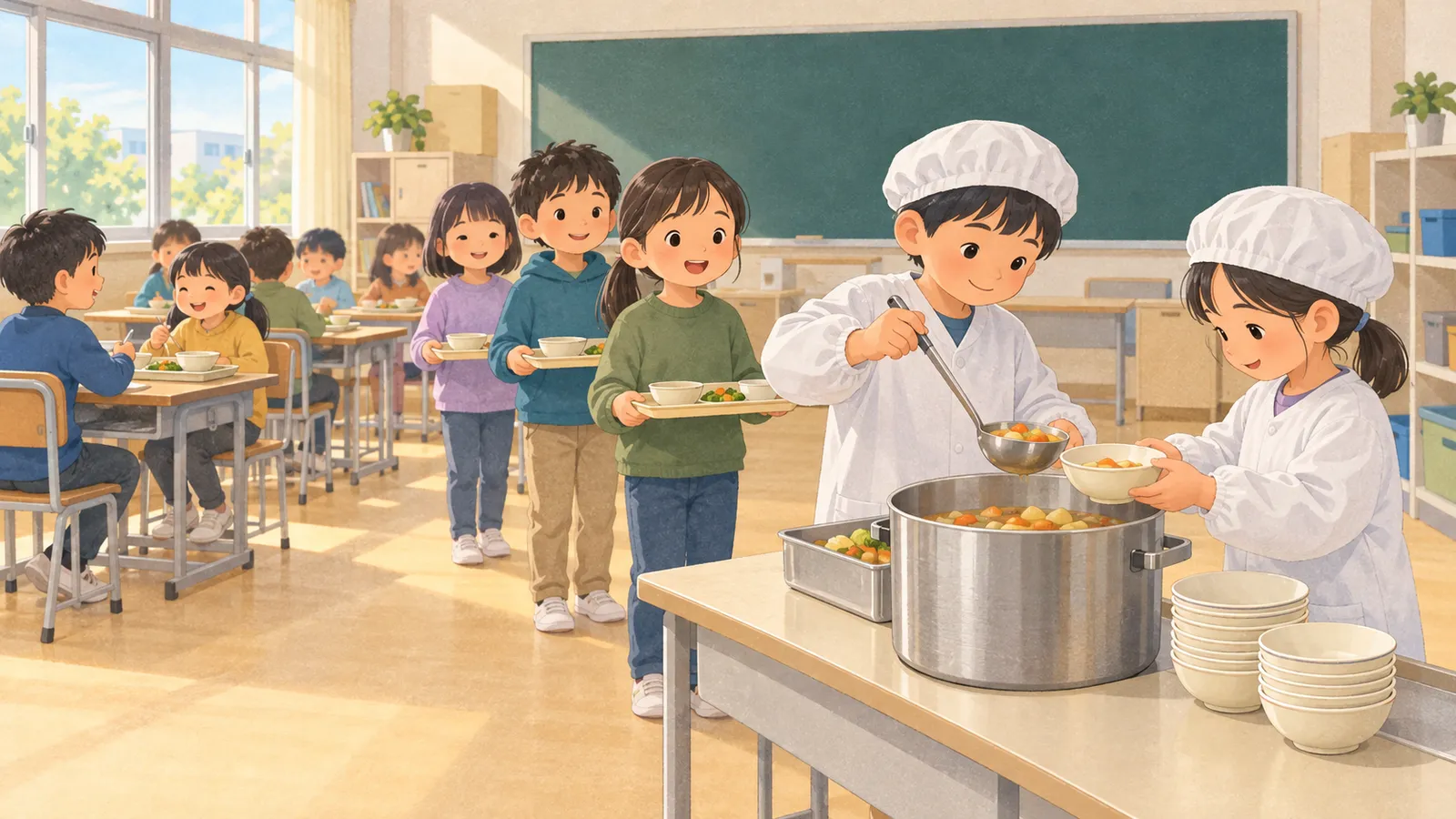
The school lunch where a classmate holds the ladle
Where you grew up, an adult behind a counter probably served lunch. In many Japanese schools the children serve each other, and the reason is written into a national law.
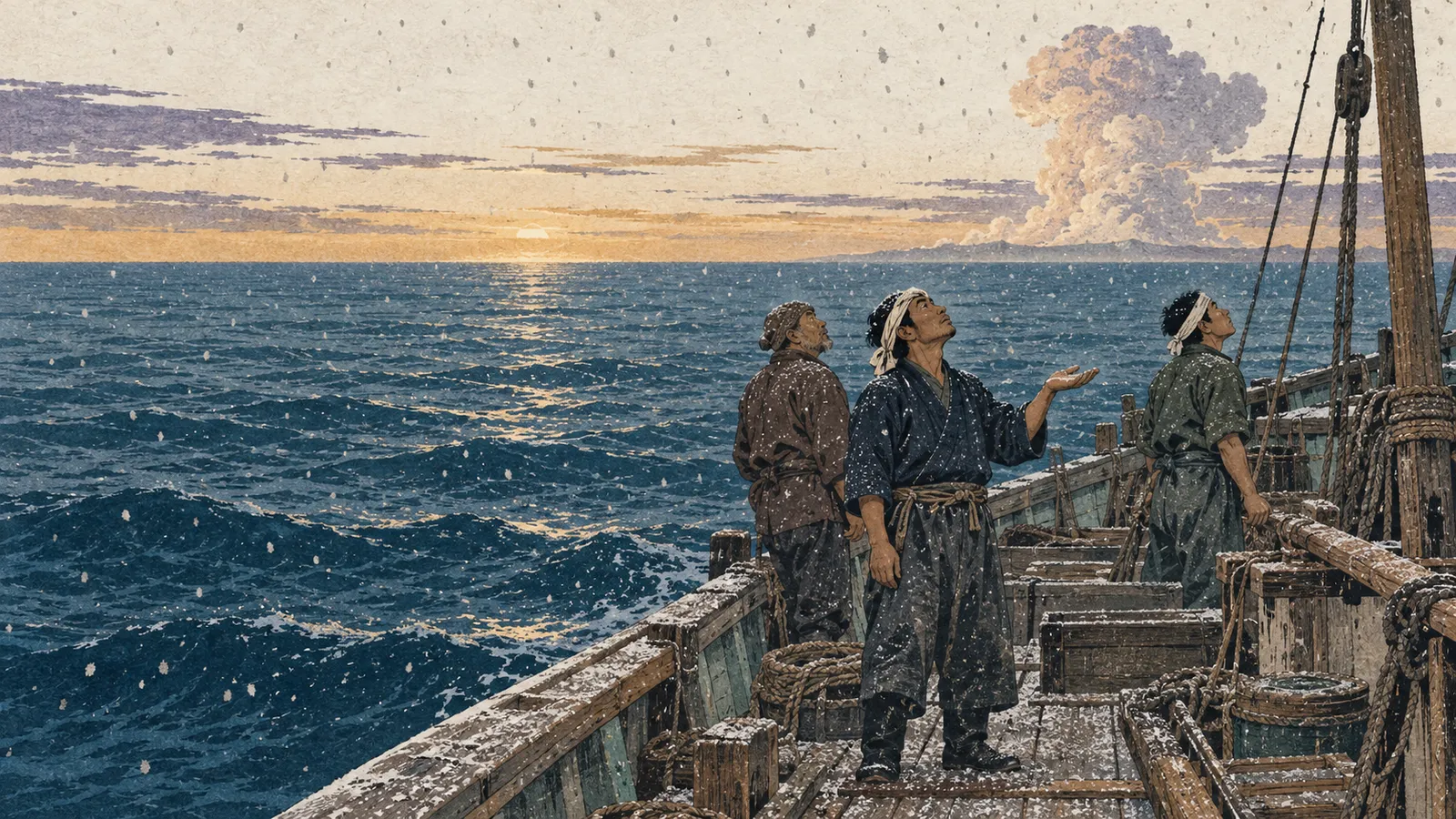
Godzilla Minus One won an Oscar. What was the original Godzilla really about?
In 1954, months after a fishing crew was hit by H-bomb fallout, a monster walked out of the sea into Tokyo. What did Godzilla mean to its first audience?
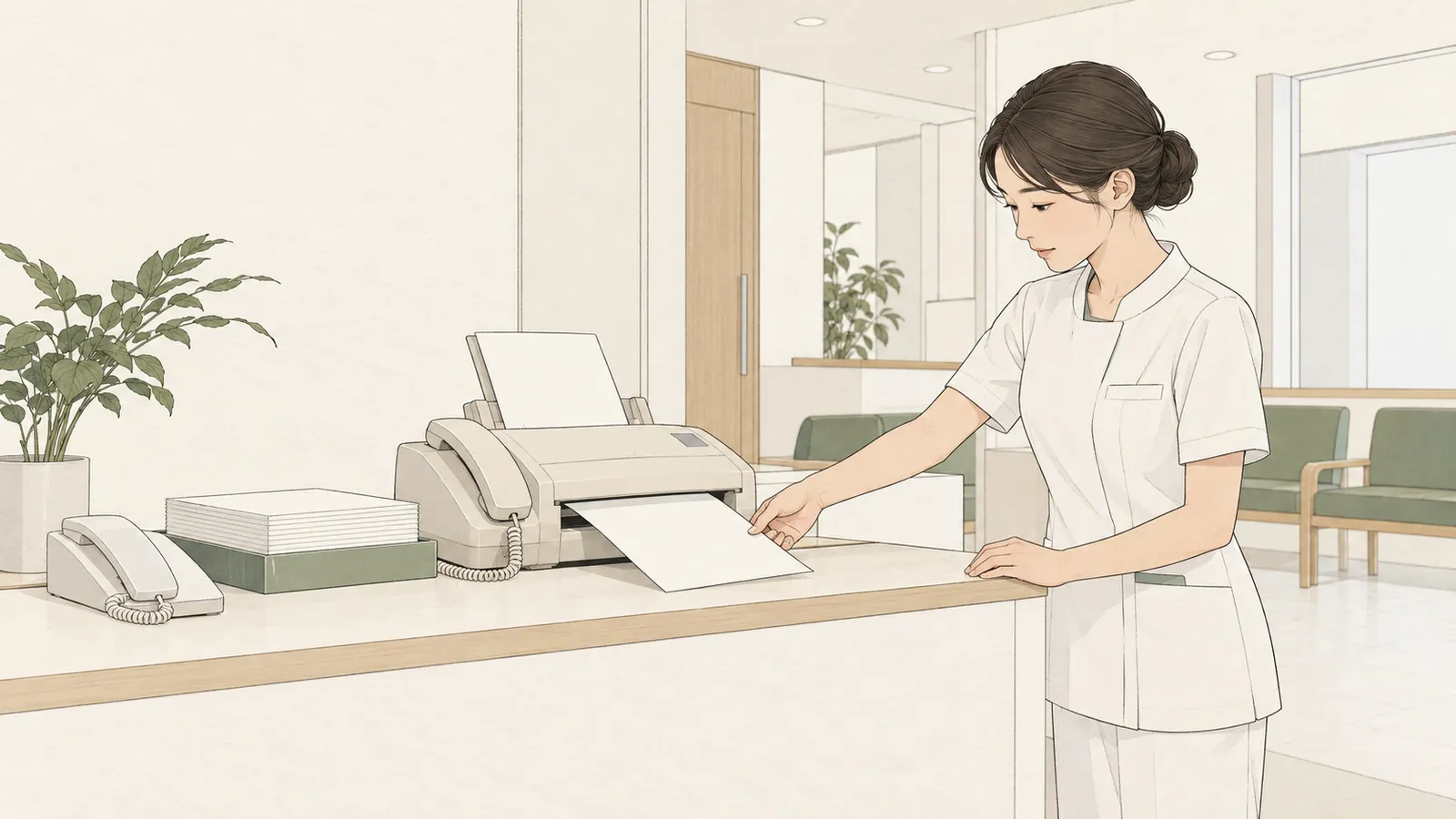
Why does the country of bullet trains still send so many faxes?
Japan runs bullet trains to the second, yet plenty of offices, clinics and city halls still send documents by fax. It is not because nobody has heard of email.
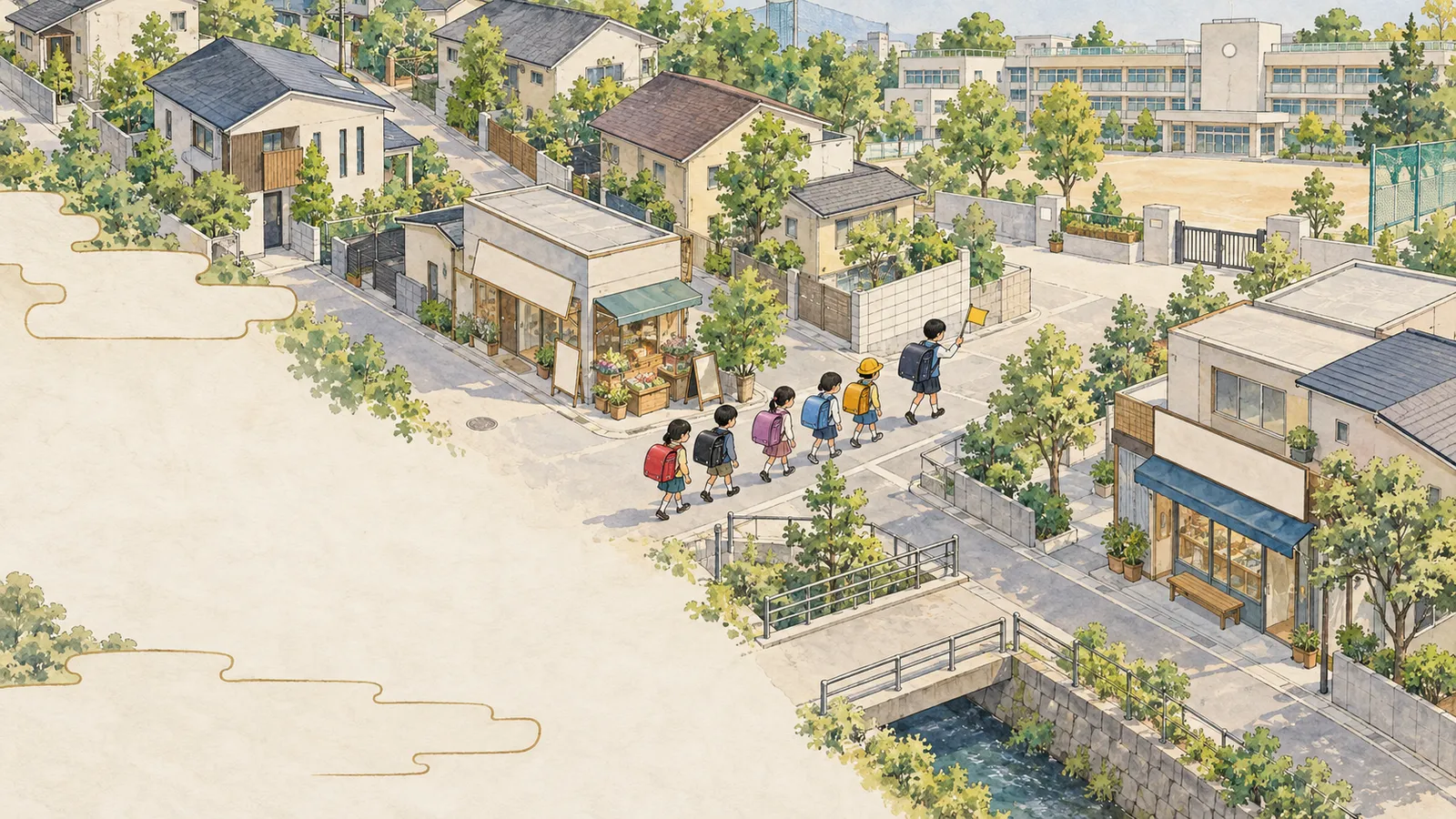
Who is watching the six-year-old on the way to school?
In much of Japan, small children walk to school without a parent. The interesting question is not how brave they are, but how many people quietly share the job.
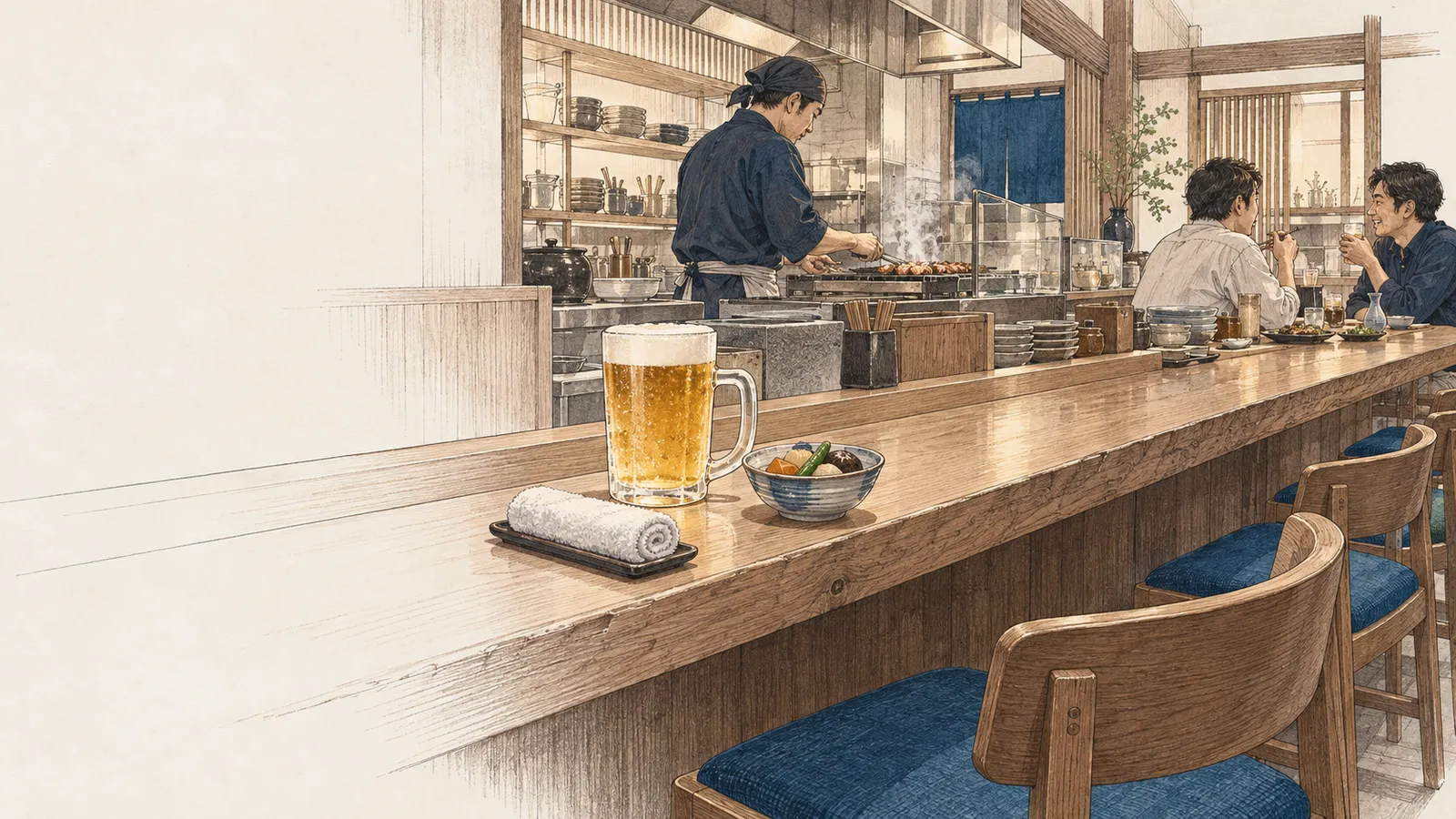
Not a bar, not quite a restaurant: what exactly is an izakaya?
Small plates, a drink first, and a dish you never ordered. Why the izakaya works the way it does, and how it became a favourite after-work stop in Japan.
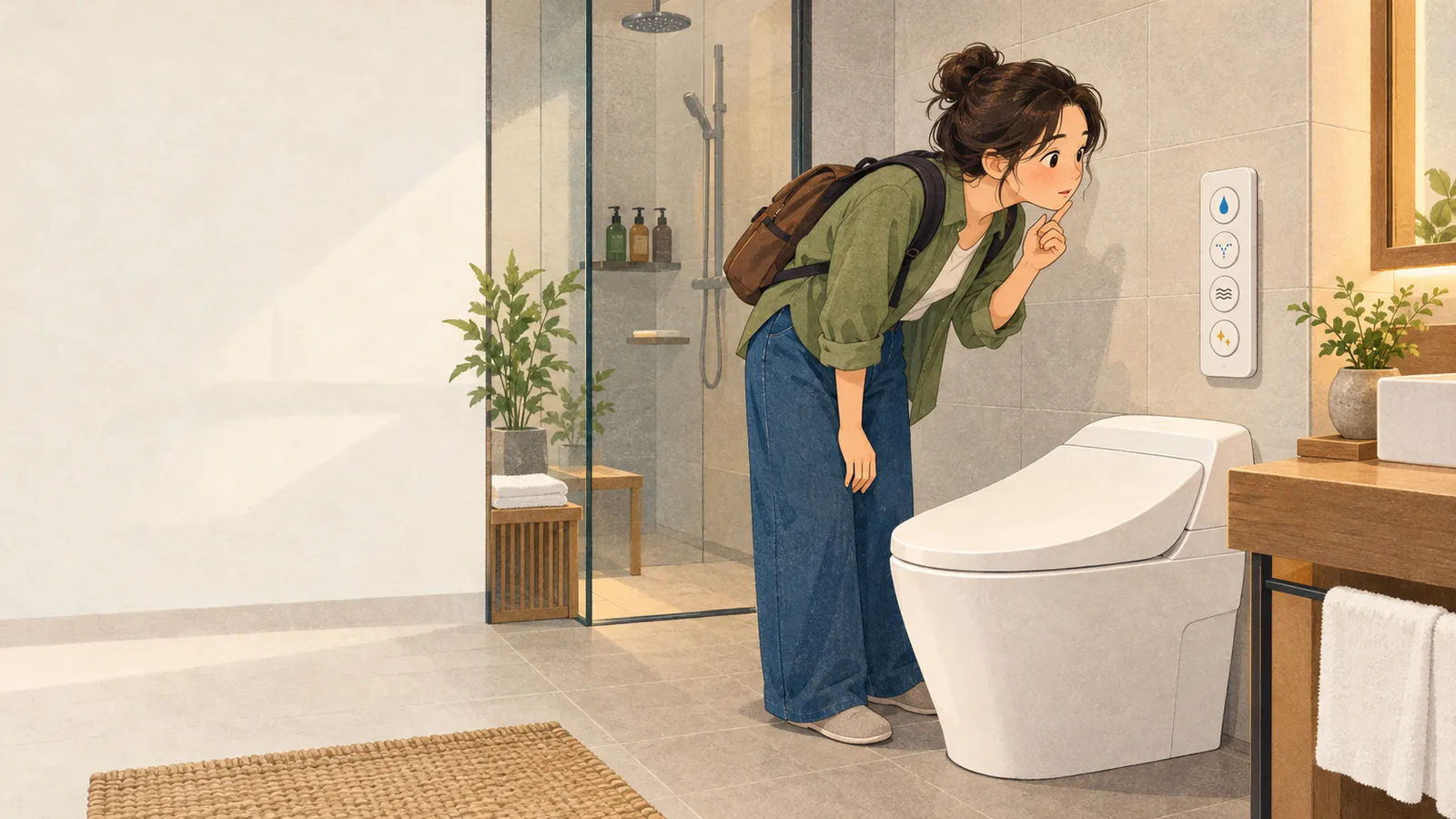
Why did toilets in Japan go high-tech, when most of the world's never did?
Heated seats, warm water, a button that plays the sound of a stream. Why did Japan's toilets turn into machines, and why hasn't the rest of the world followed?
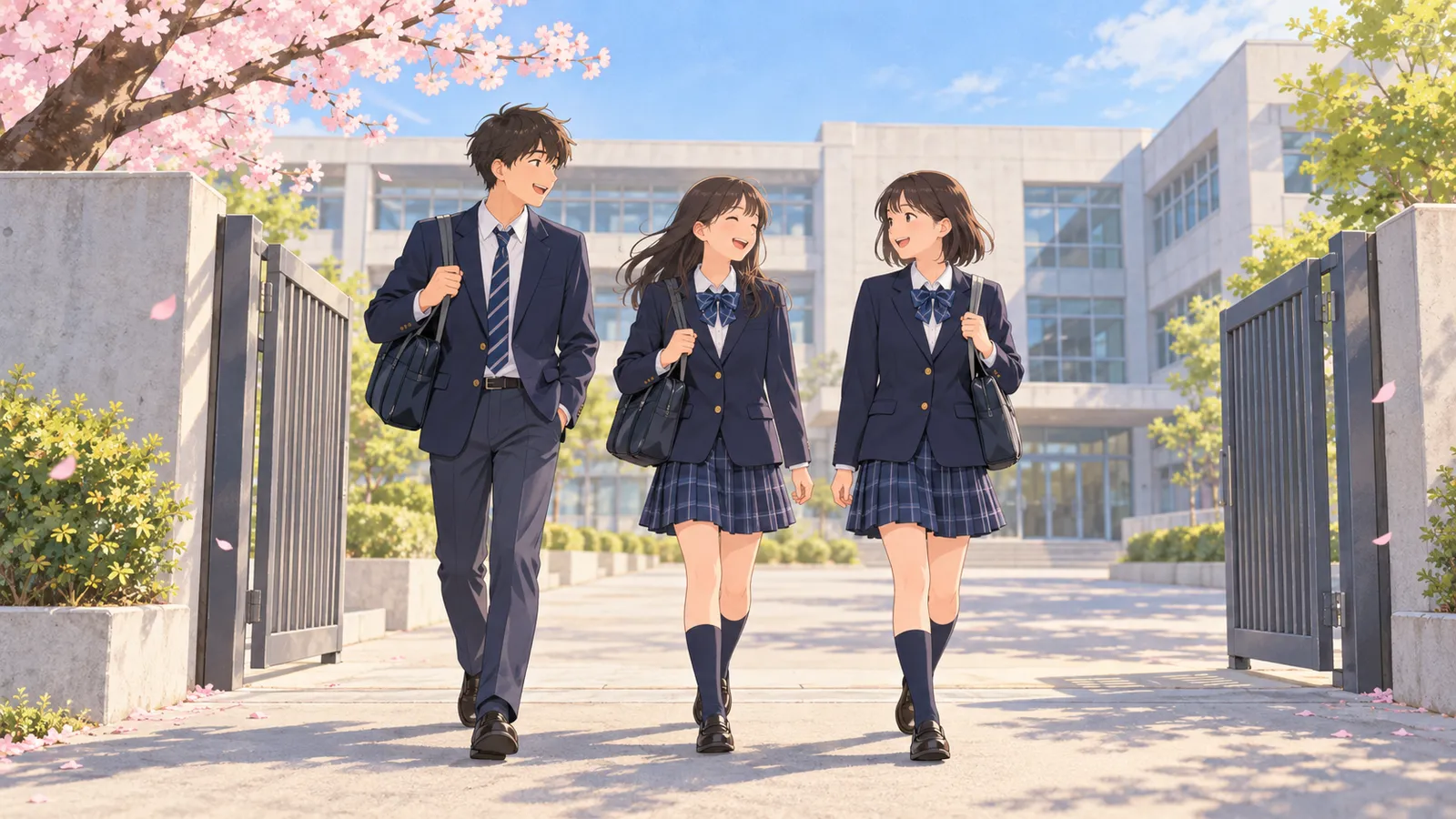
Why are so many anime set in high school?
Romance, sport, time travel, giant robots: in anime the hero is very often a high school student. Why do so many stories return to those three years?
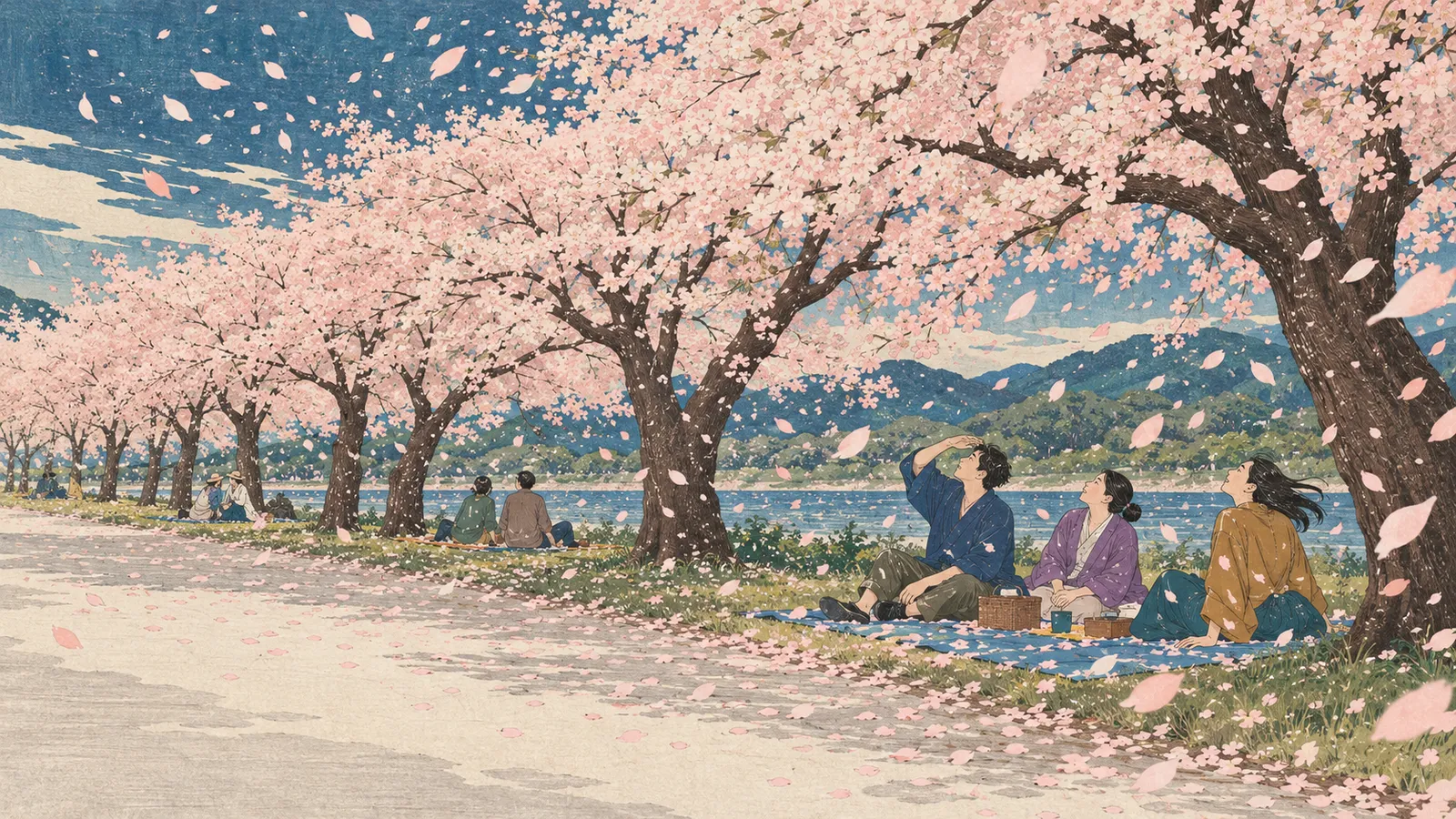
Why the cherry blossom is loved most as it falls
In many gardens, petals on the ground mean the show is over. In Japan, the falling is often the best part, and a poem from around 905 says so outright.
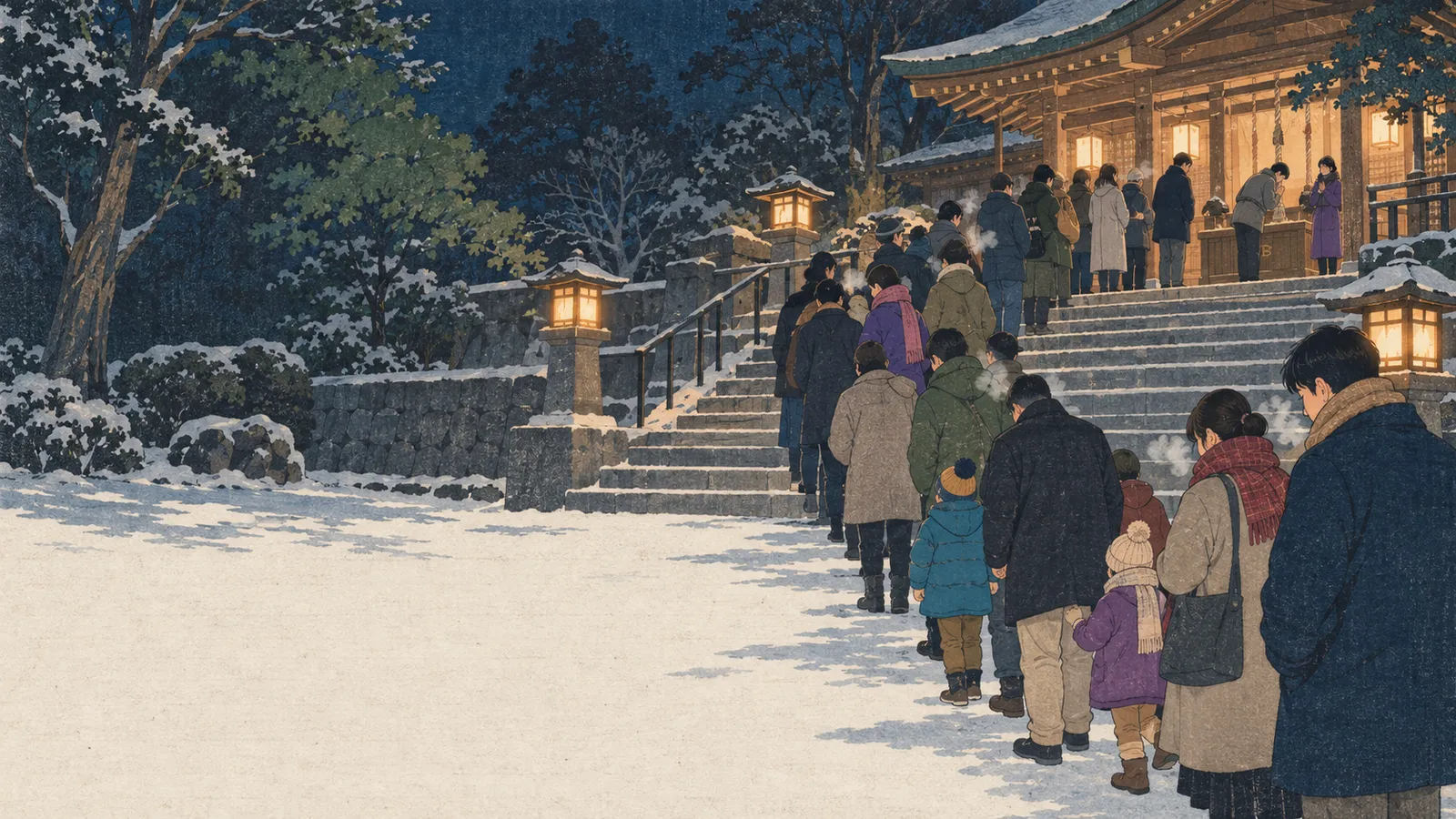
No religion, thank you. See you at the shrine on New Year's Day
Most people in Japan say they have no religion. Millions of them queue at a shrine in the first days of January anyway. The puzzle starts with the word "religion" itself.
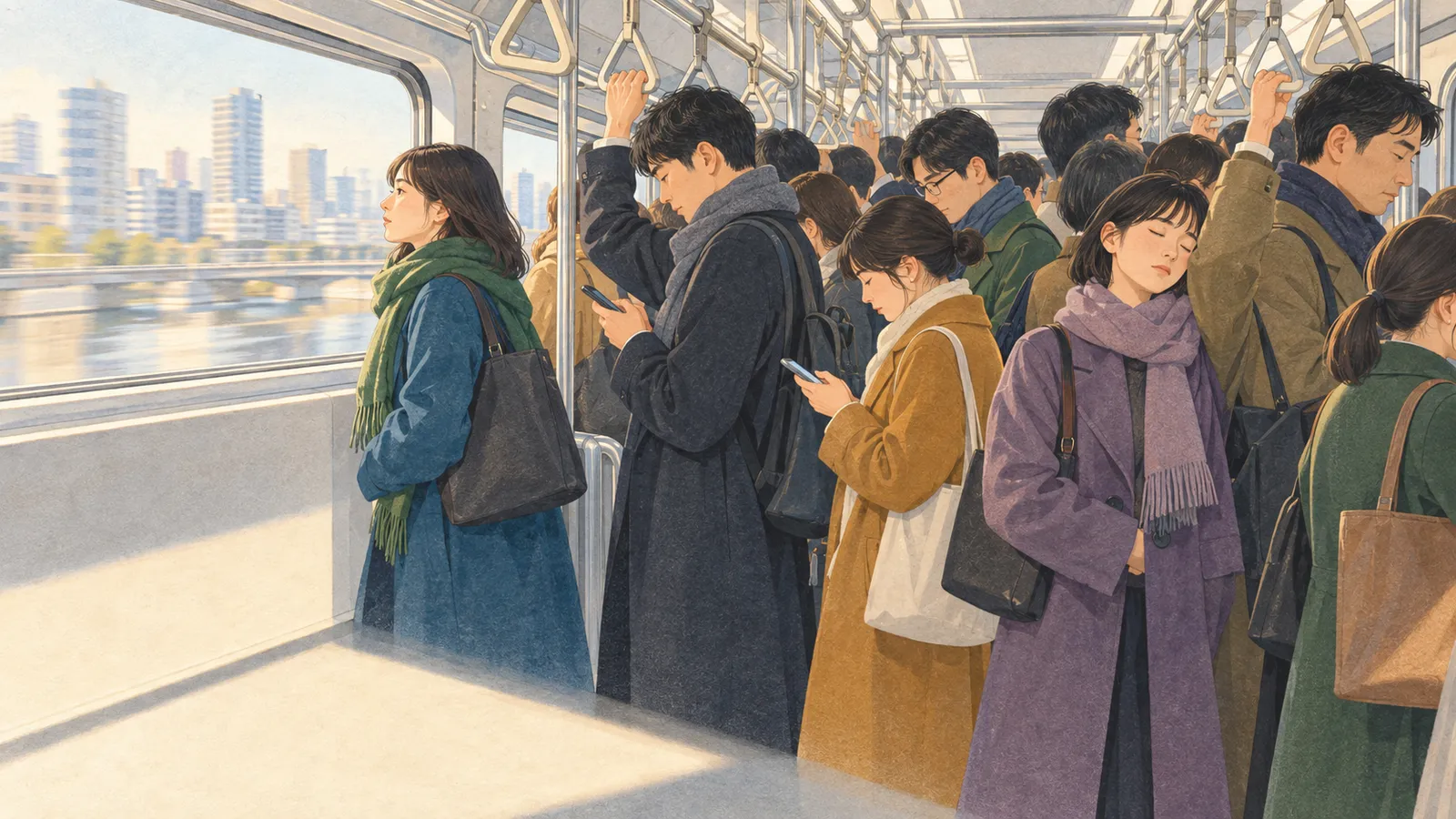
Why is a crowded Tokyo train so quiet?
Hundreds of people, shoulder to shoulder, and almost nobody talking. No law asks for it. The clues are in a station announcement, fifty years of posters and one old word.
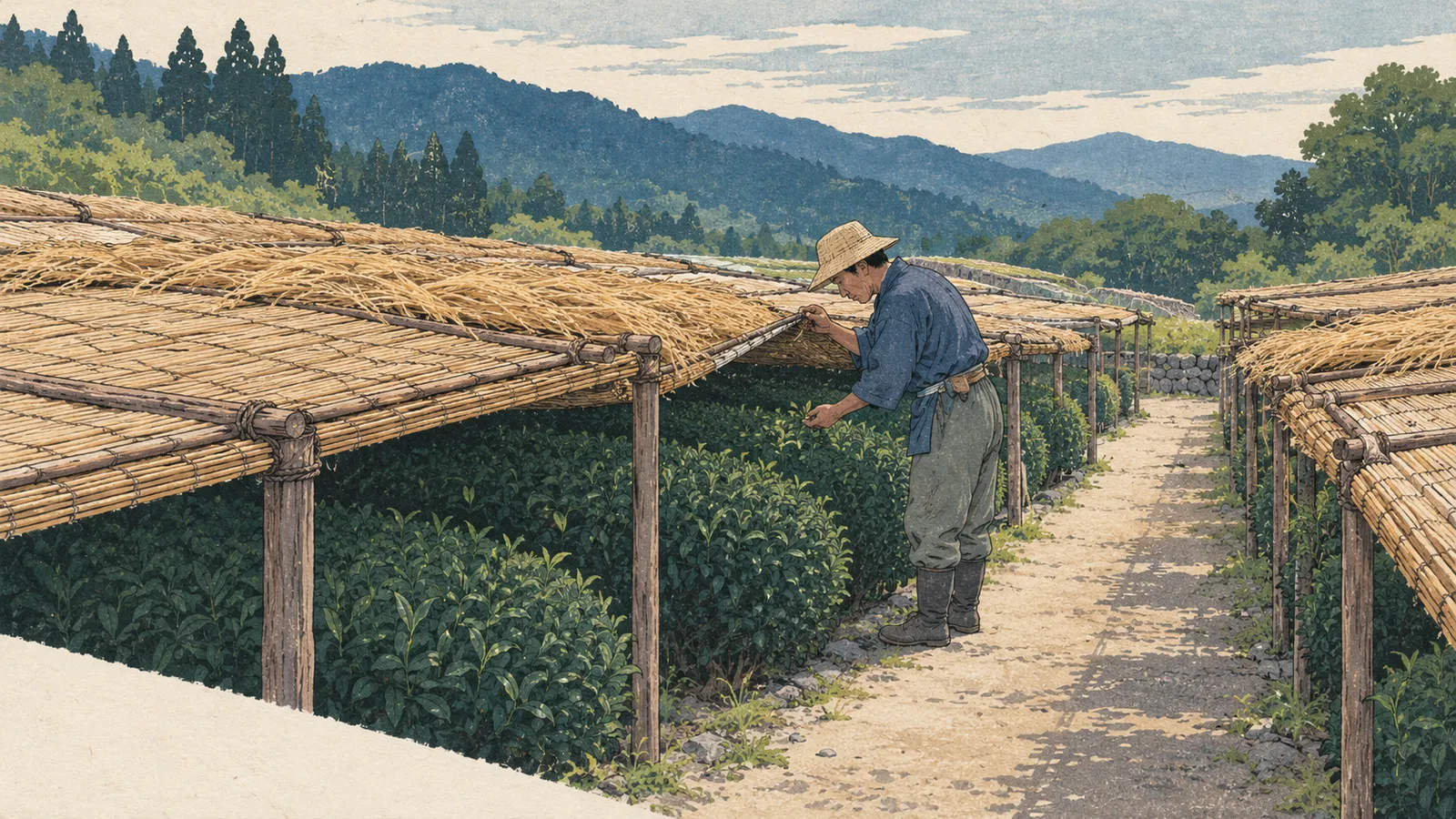
Matcha is in every café now. What is it, and is it really good for you?
Matcha lattes are everywhere, and so are the health claims. What makes matcha different from other green tea, and what can honestly be said about it?
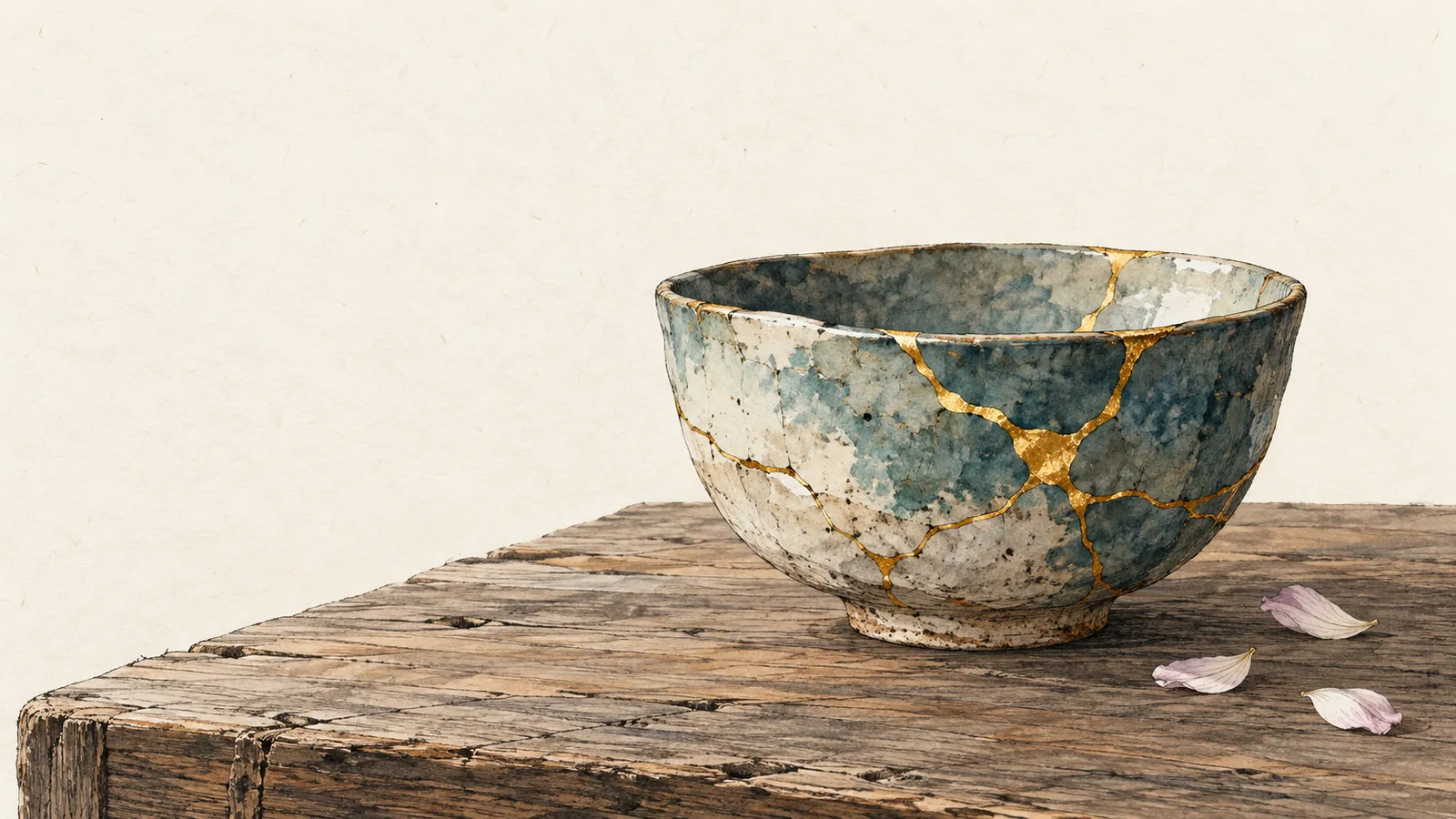
Why Does Japan Find Beauty in Things That Are Cracked, Worn and Fading?
A bowl mended with gold, a blossom that lasts a week, a worn old tea bowl. Why would a culture treat the flaw as the point, and does Japan still live by it?
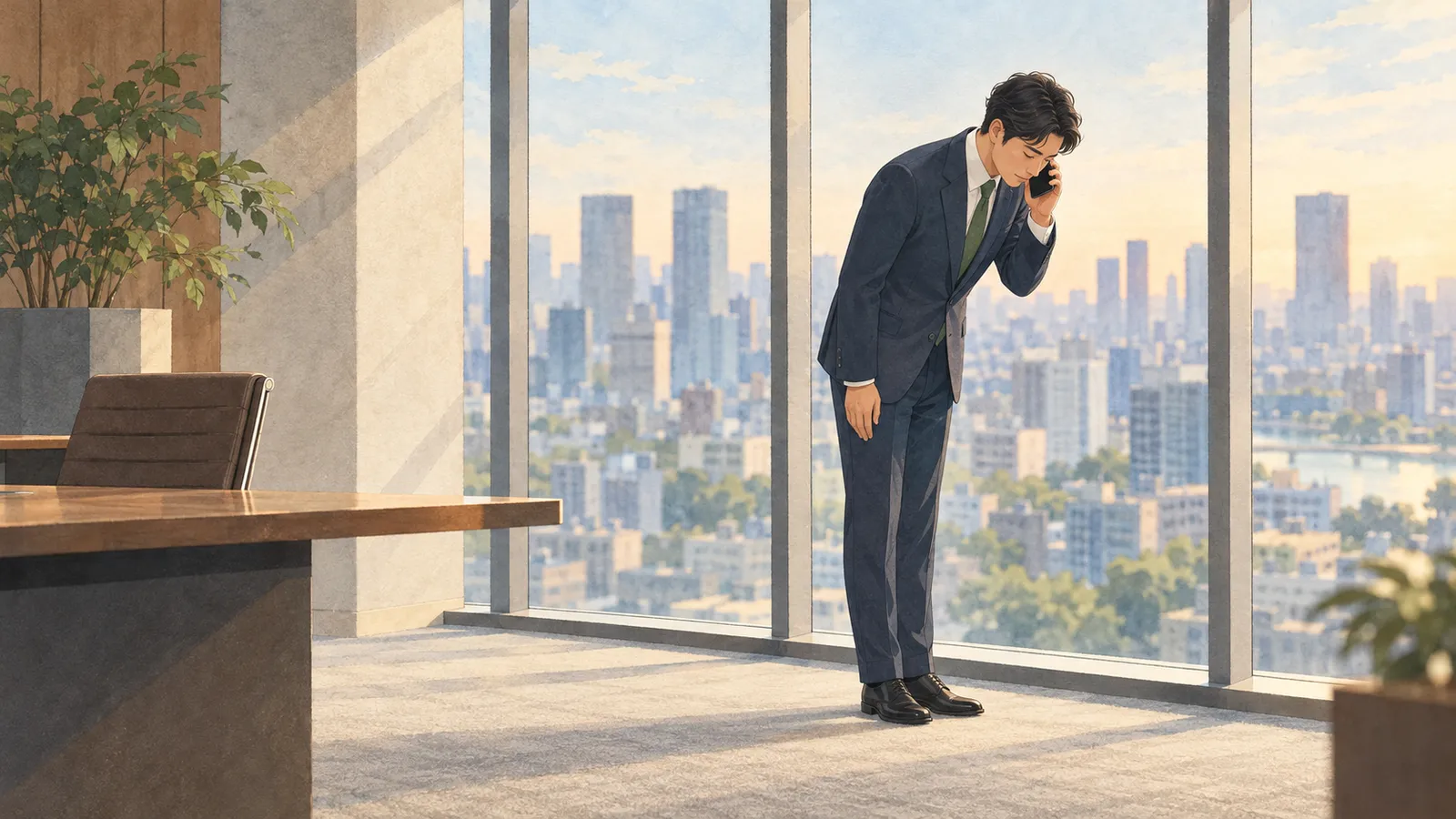
Why People in Japan Bow to Someone Who Can't See Them
Guides list neat angles for the Japanese bow. Watch someone bow into a phone, though, and the angle starts to look like the least important part.
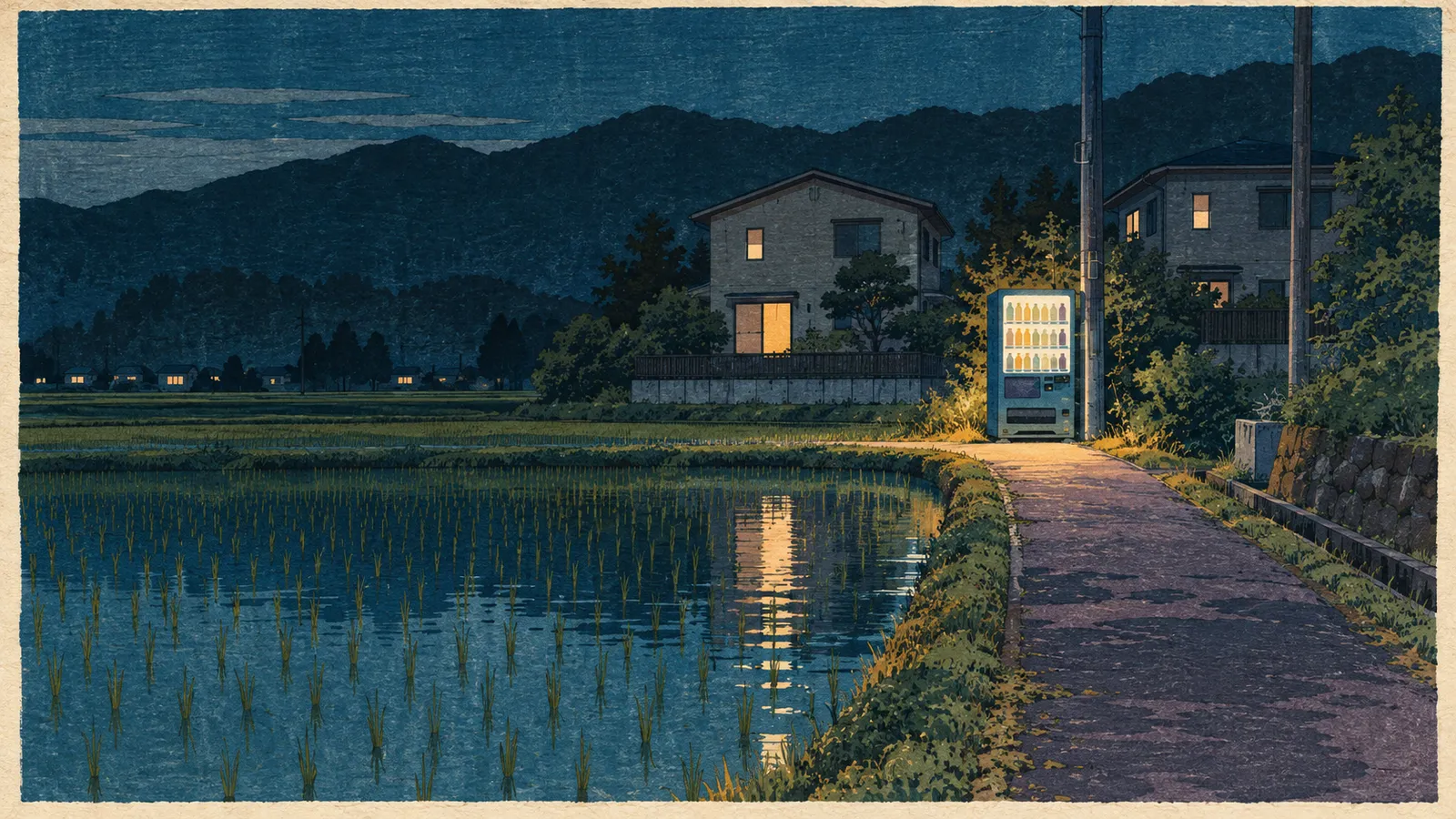
The vending machine at the end of the lane
Elsewhere, vending machines tend to stand where people already are. In Japan you find one glowing beside a rice field. Here is who puts it there, and why it sells hot coffee in winter.
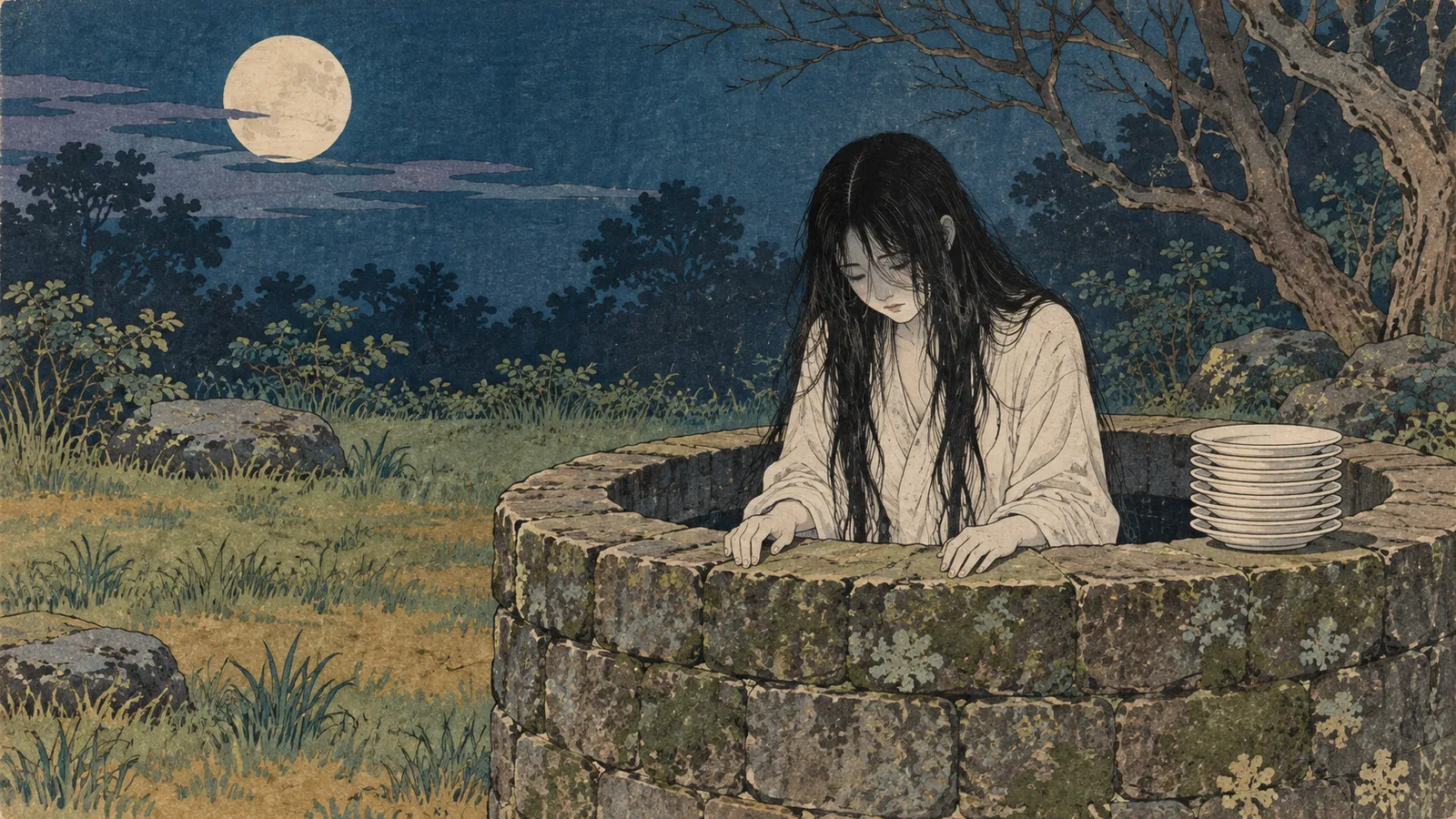
Why you can't kill the ghost in Japanese horror
In Ring, nobody defeats Sadako. You can only pass her on. Behind that rule is a much older Japanese idea about the angry dead, and what you do with them.
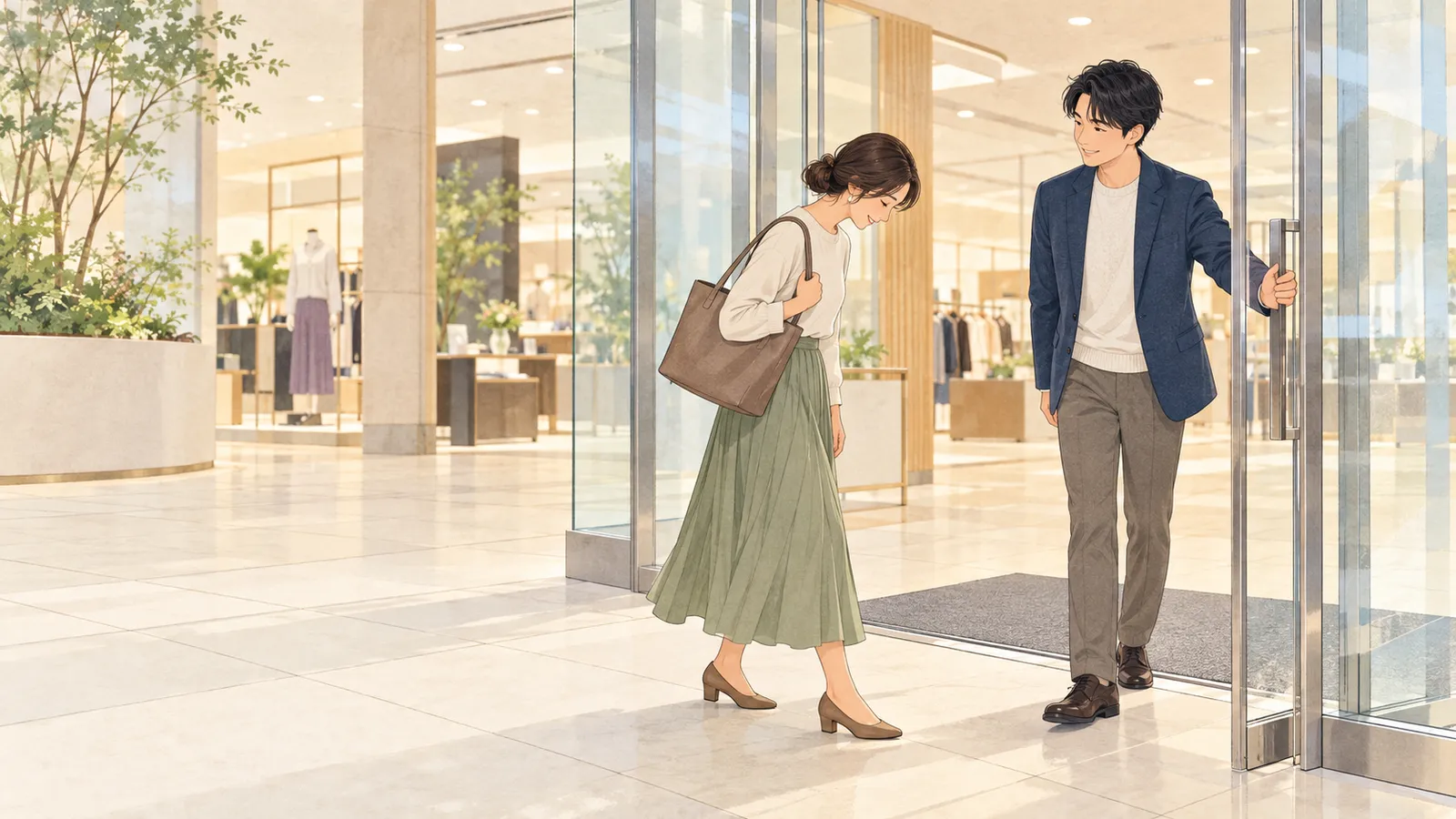
Saying sorry when nothing went wrong
In Japan, a railway apologises for a train that left twenty seconds early, and a stranger who holds a door hears "sorry" instead of "thank you". The word itself explains a lot.
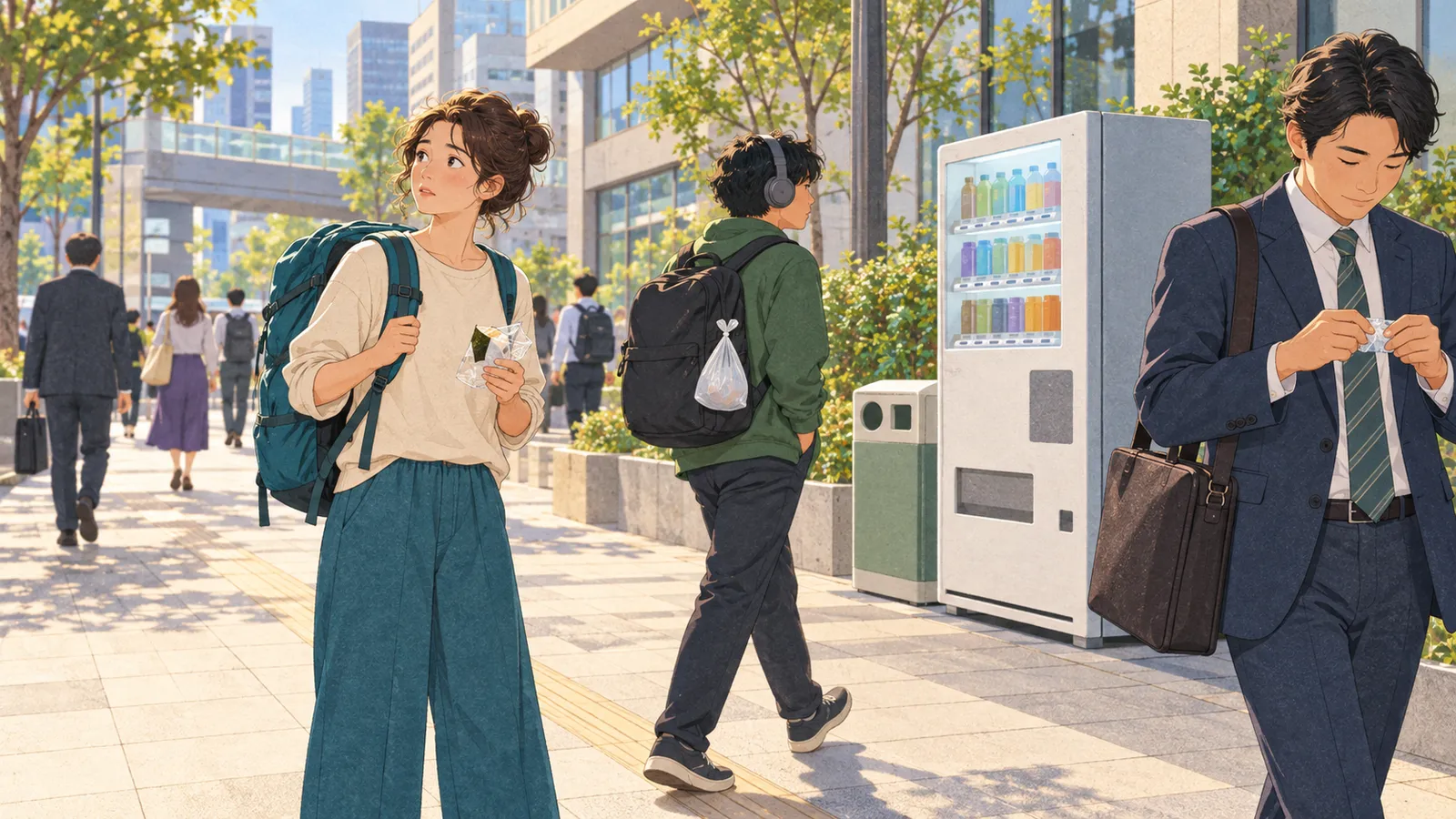
Japan has almost no public bins. So where does the rubbish go?
Visitors to Japan often end the day with a pocket full of wrappers and no bin in sight. The short answer is: home. The longer answer is how that became normal.
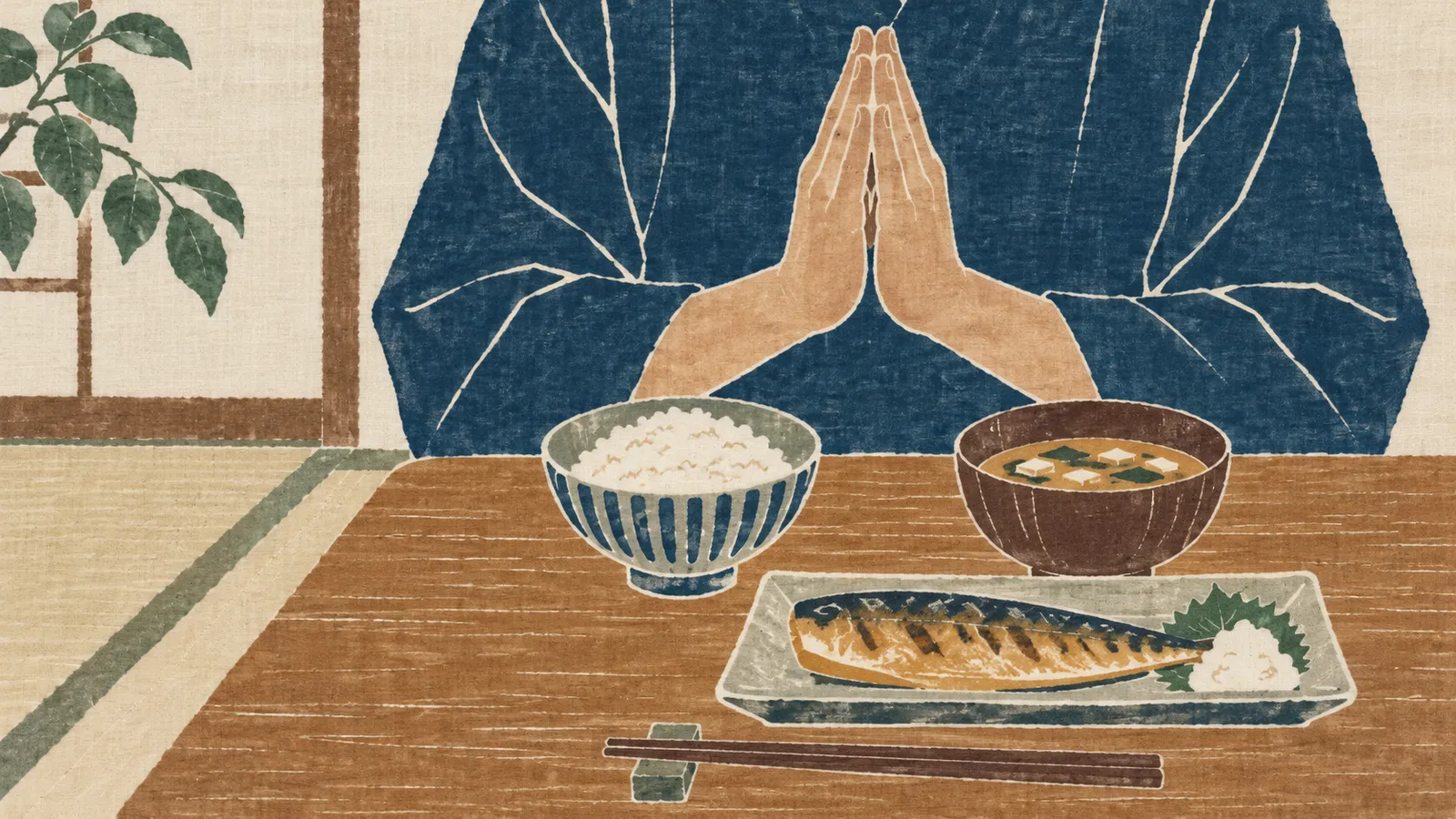
Who are you thanking when you say "itadakimasu" before a meal in Japan?
Hands together, one word, then chopsticks. Many people in Japan say "itadakimasu" before a meal, even with no religion in mind. Who is the thanks for?
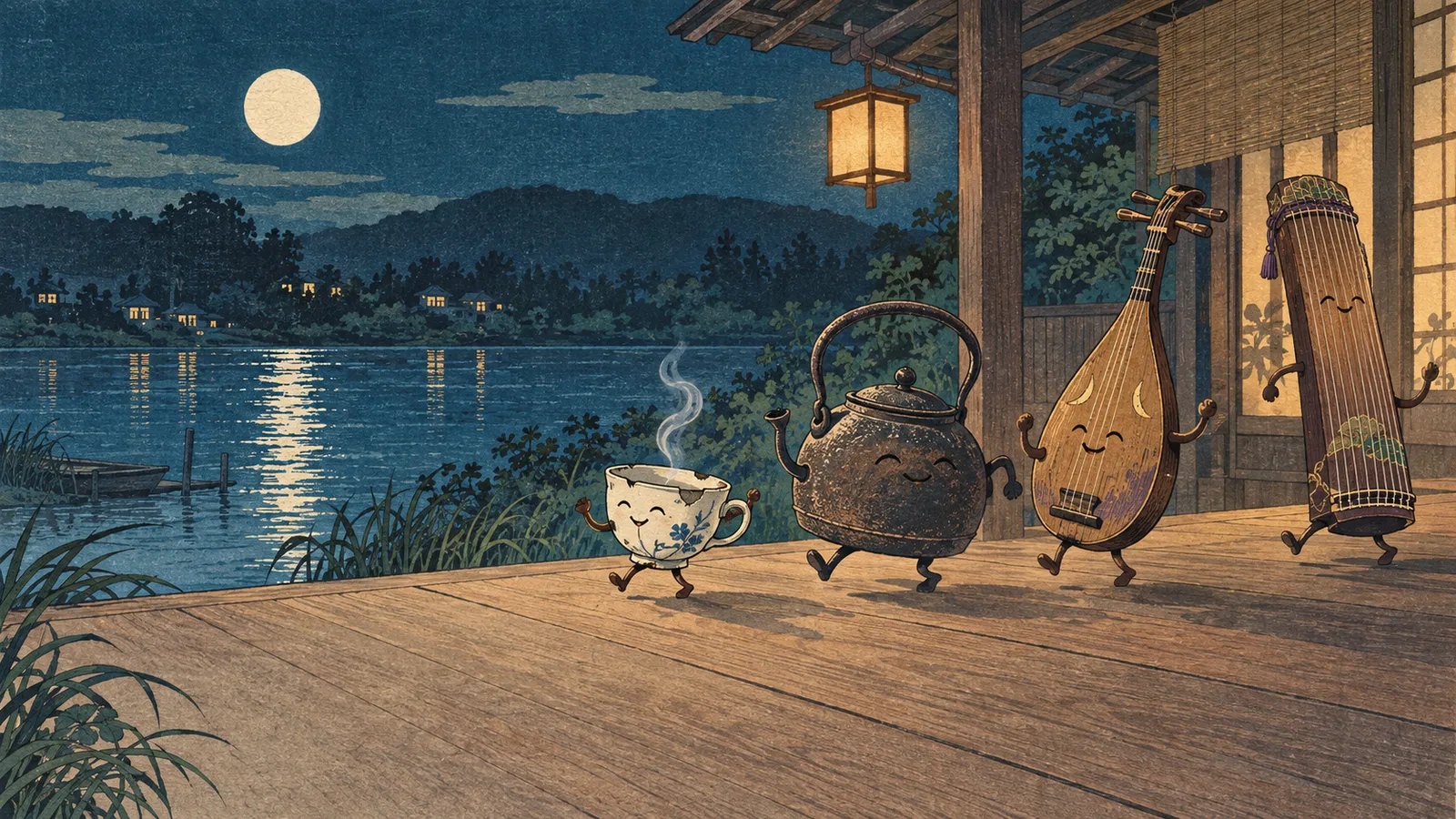
Why are so many Japanese stories full of spirits, from Spirited Away to Pokémon?
A river spirit is a bathhouse customer. A Pokémon is a ghost in a cup of tea. Behind the strange cast of Japanese stories is an old habit of seeing something living in places and things.
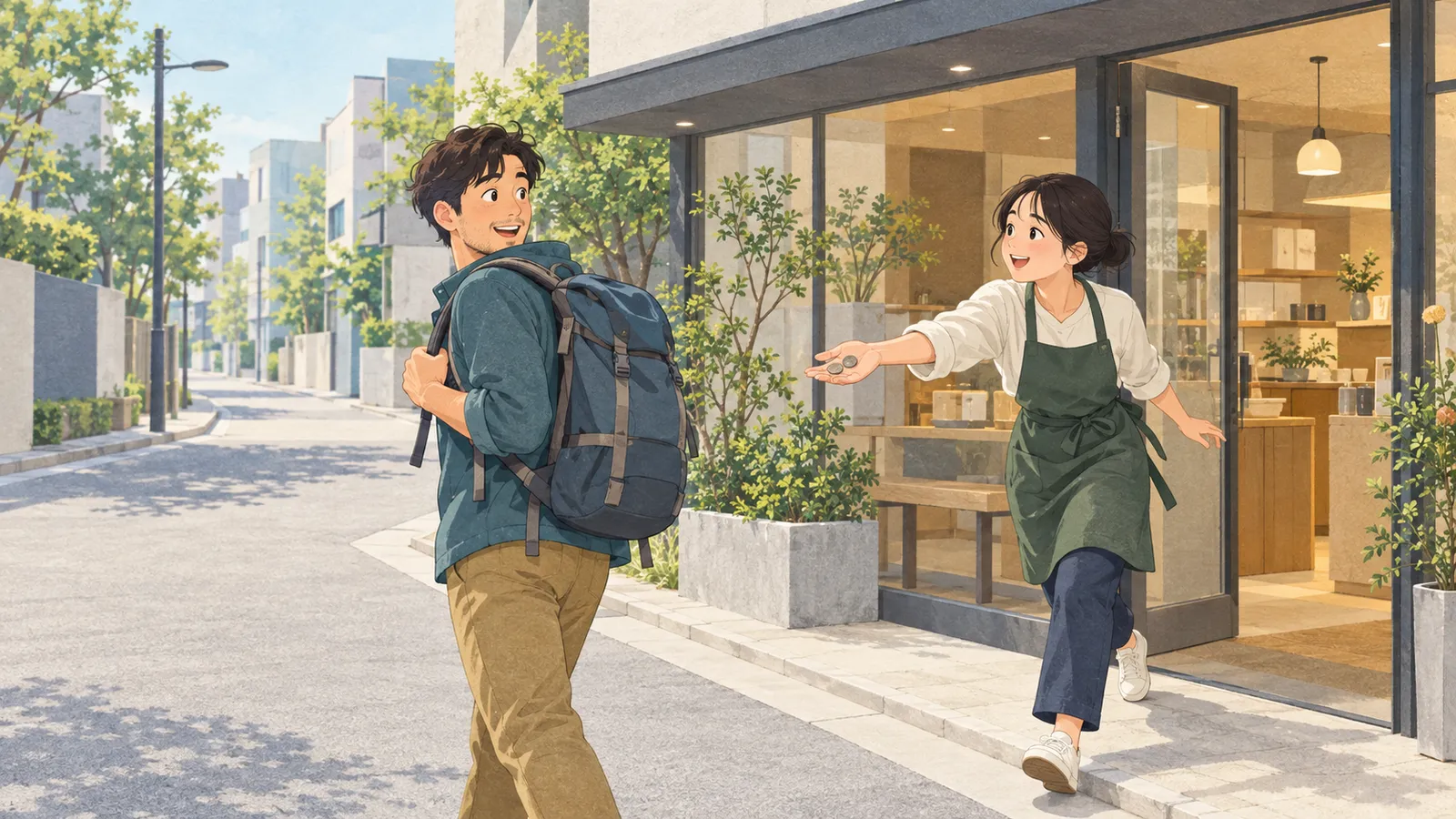
Why does everyday life in Japan run on so many small courtesies?
On a Japanese train, the top complaint is someone who will not shift over to share a seat. Where do so many small courtesies come from?
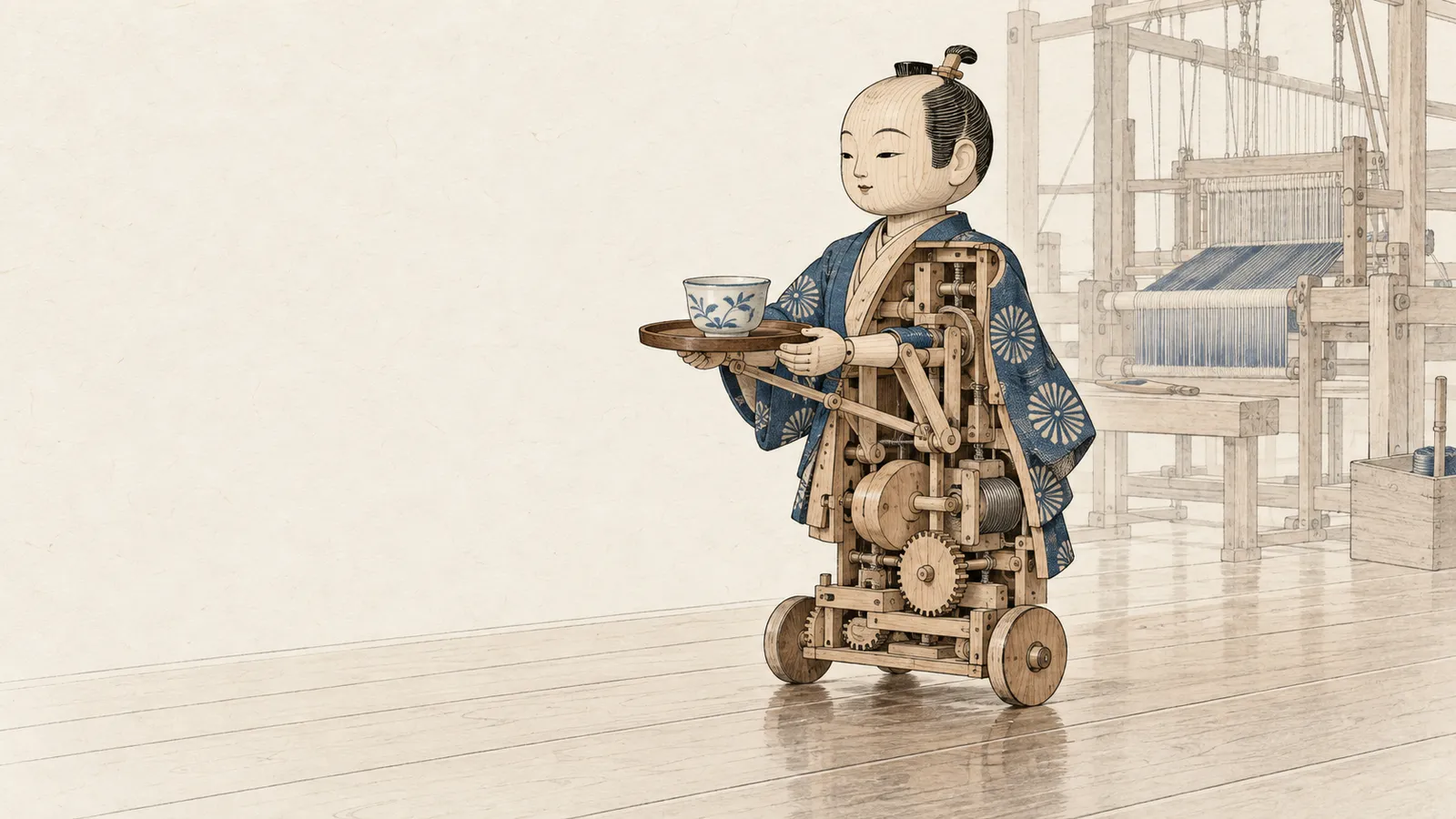
How did "Made in Japan" go from a joke to a promise?
After the war, "Made in Japan" was shorthand for shoddy goods. Today it sits on cameras, cars and kitchen knives. The change runs through clockwork dolls, a self-stopping loom and a postwar obsession with getting the small things right.
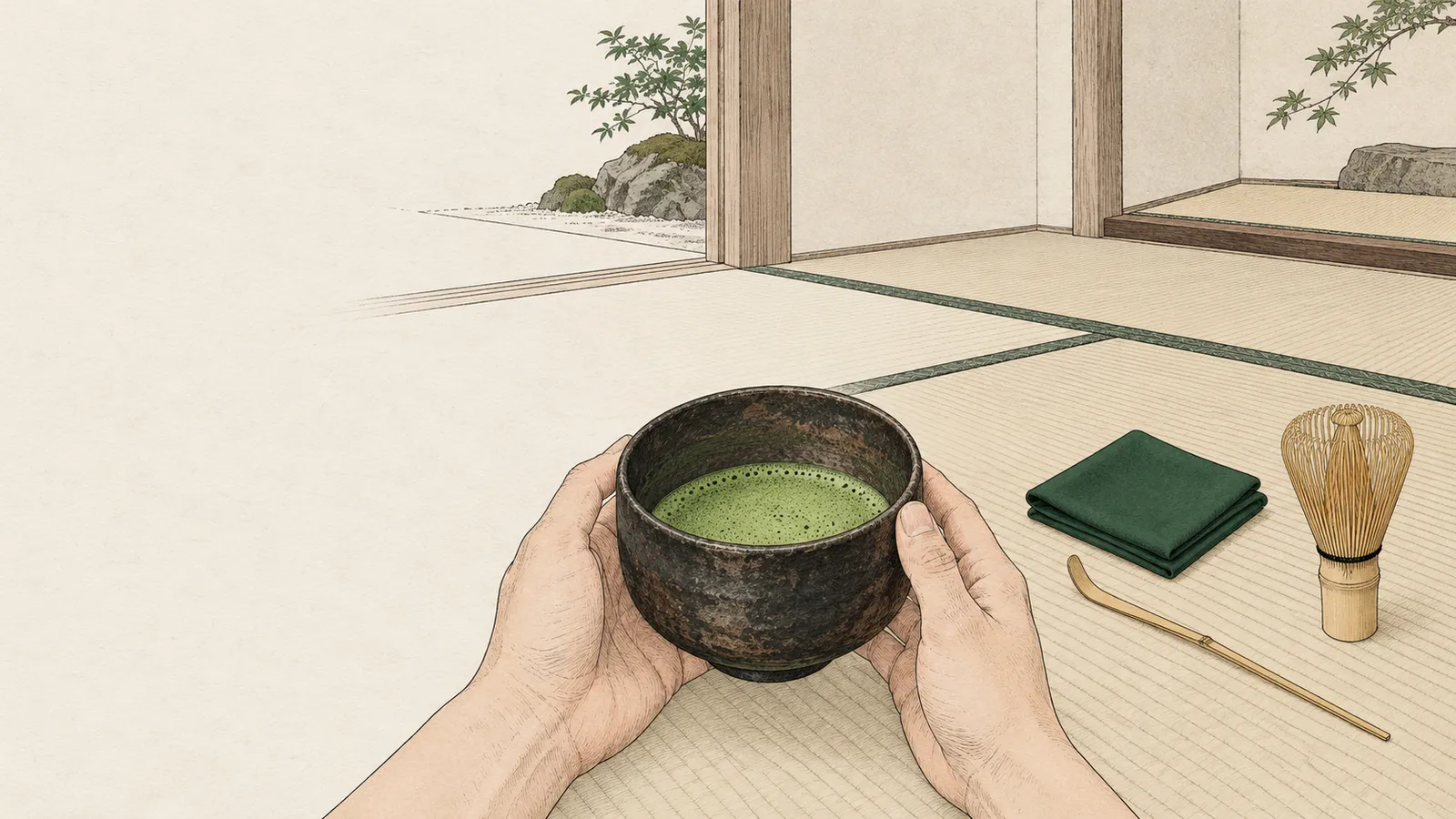
Why does a Japanese tea ceremony make a simple bowl of tea so complicated?
Many visitors can't tell what is going on at a tea ceremony. Every turn of the bowl and every wipe has a reason. Here is what the slow ritual is for.
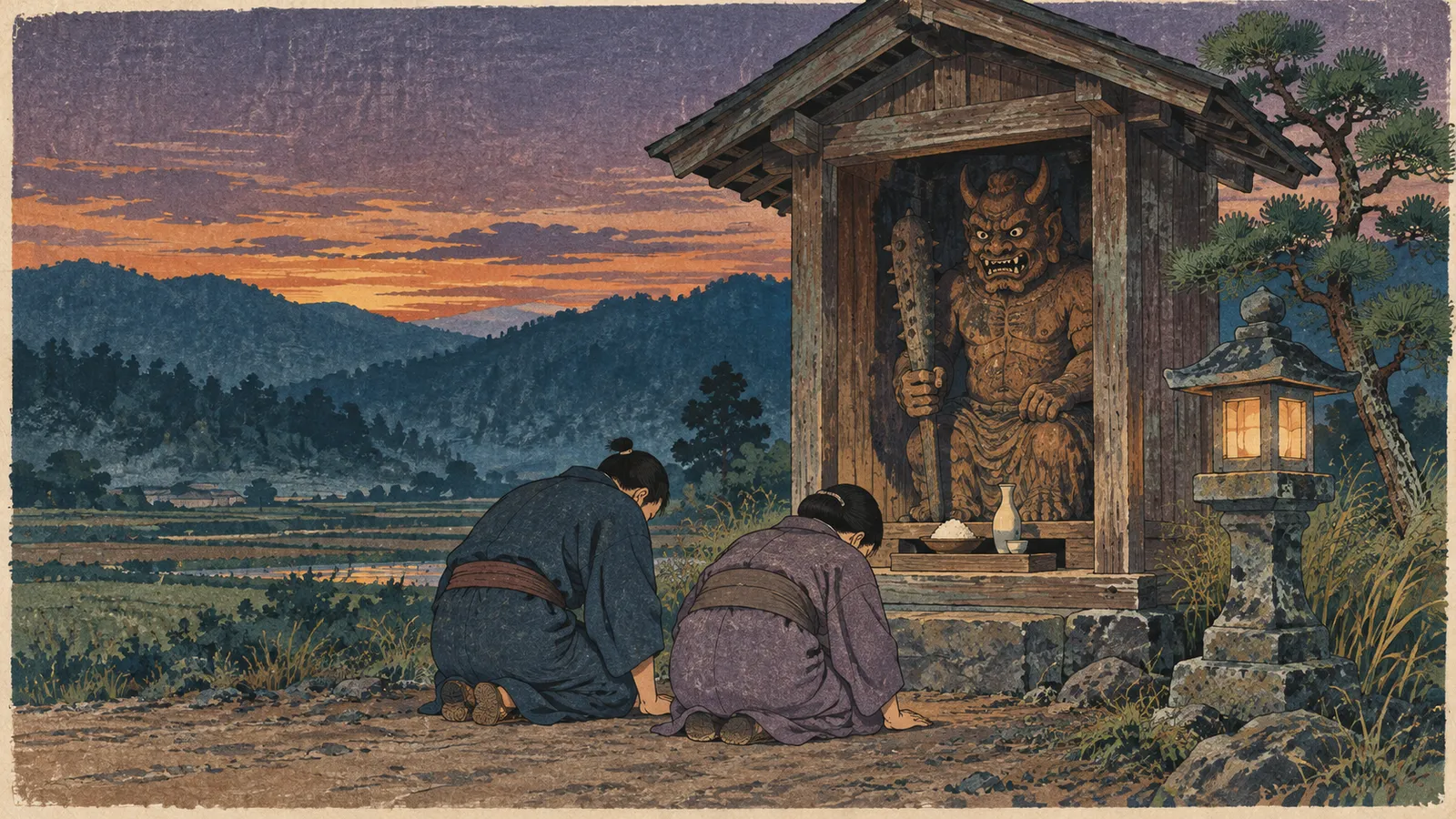
Kami, yokai, oni: how does Japan tell a god from a monster?
In Spirited Away a river spirit arrives looking like a monster and leaves as a god. Japan's gods, yokai and demons are not three species.
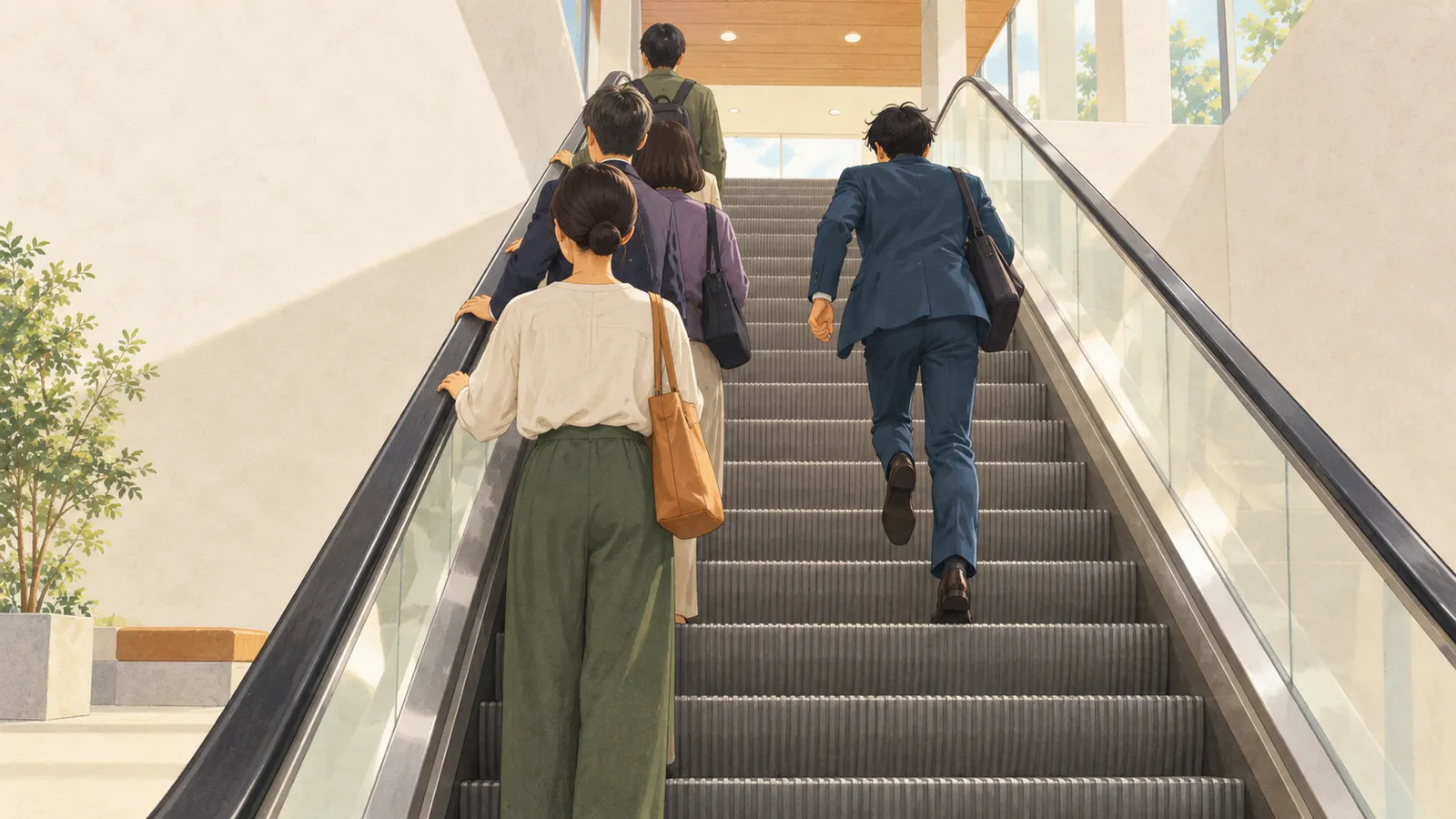
Japan's unwritten rules: a 2026 guide for first-time visitors
A dish you never ordered on the bill, a line on one side of the escalator: the small everyday rules in Japan, what people actually do, and why. Updated yearly.
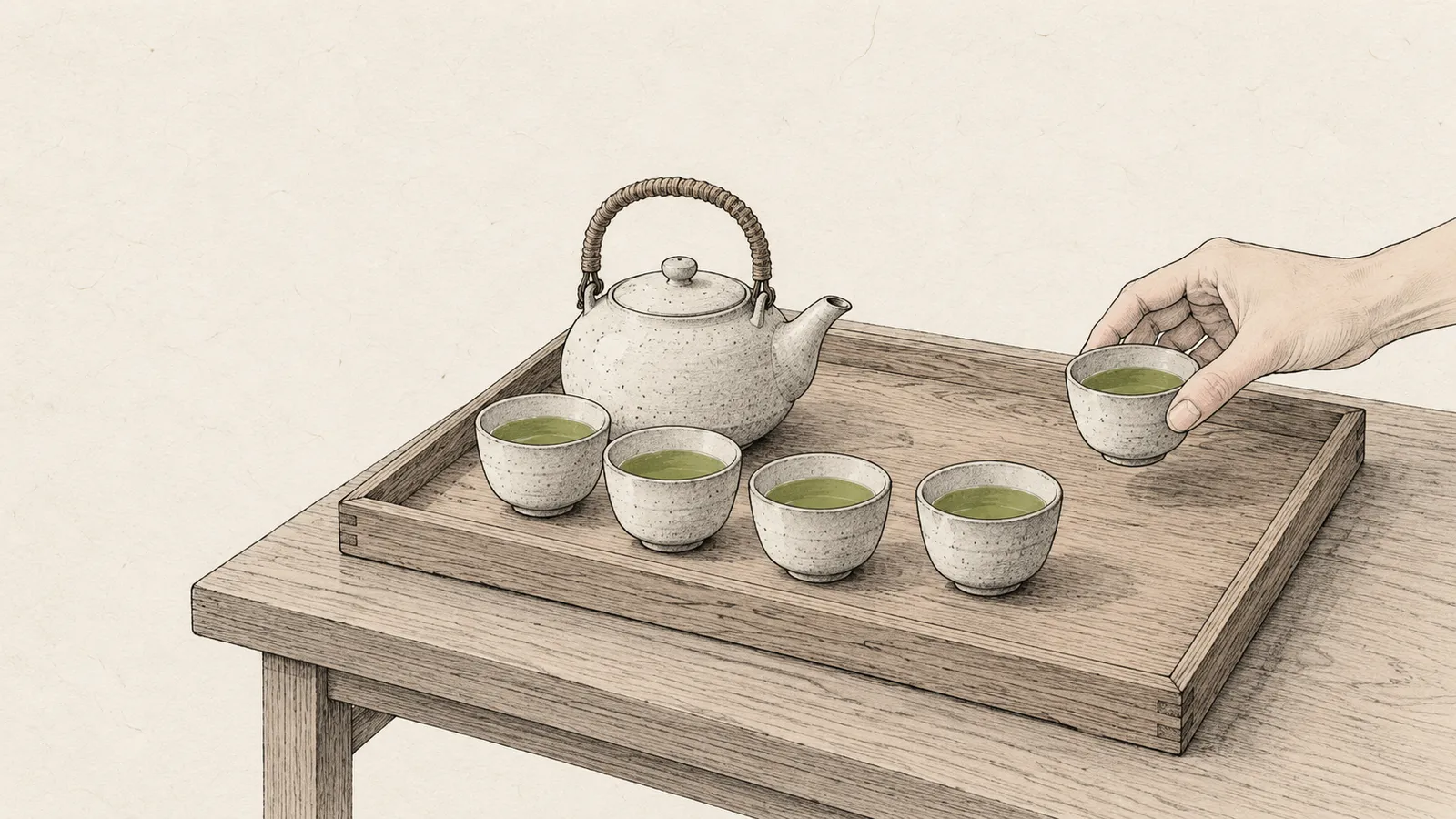
Why do Japanese tea sets come in fives, and almost never in fours?
Look at a Japanese tea set and count the cups. It is usually five. There is a folk explanation, and it hangs on one word that sounds like another.
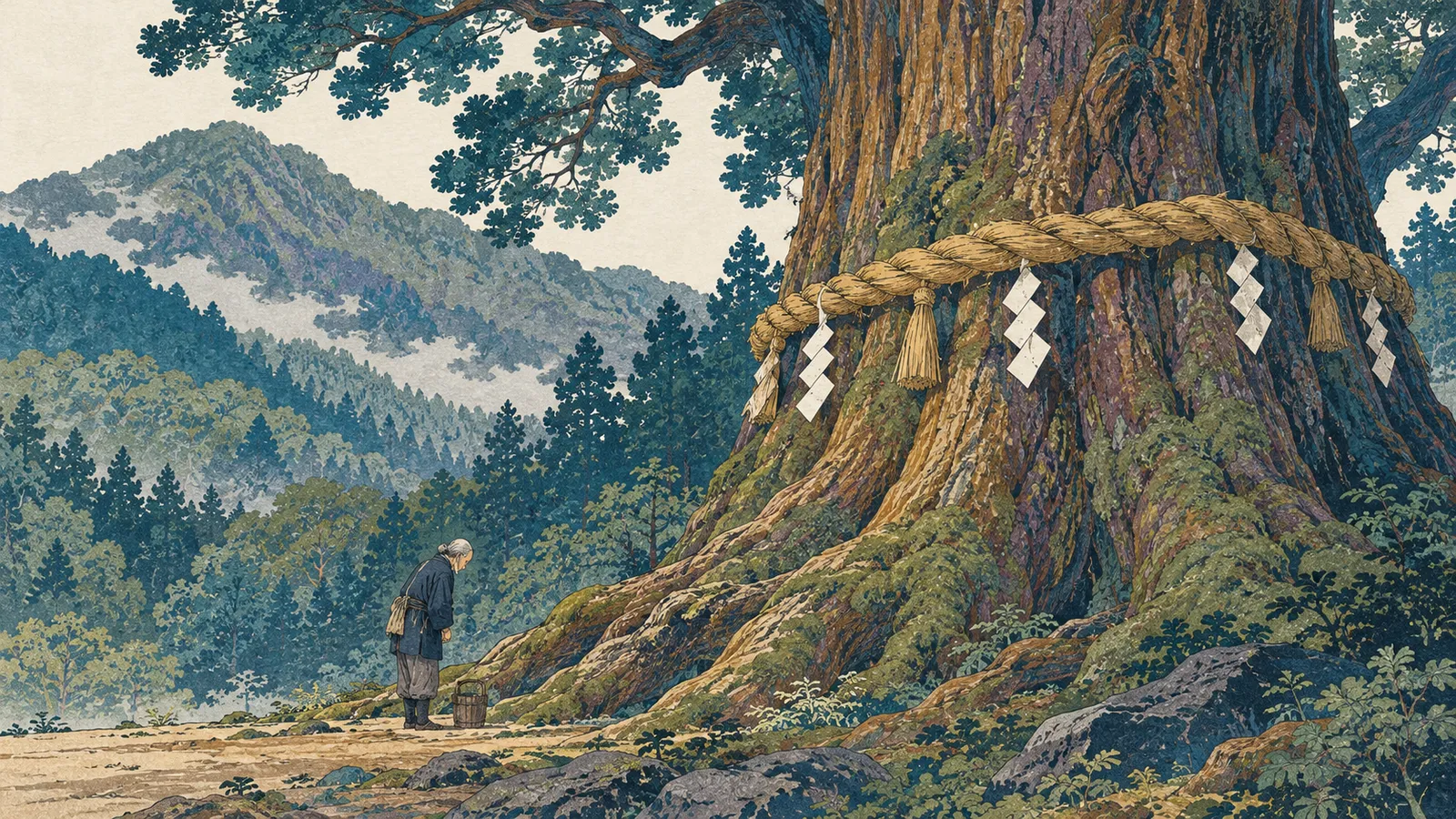
Eight million gods: why a tree, a stove and a mountain can all have one
Japan's "eight million gods" is not a head count. It is a way of saying that a place, a tree or a stove can be worth some awe.
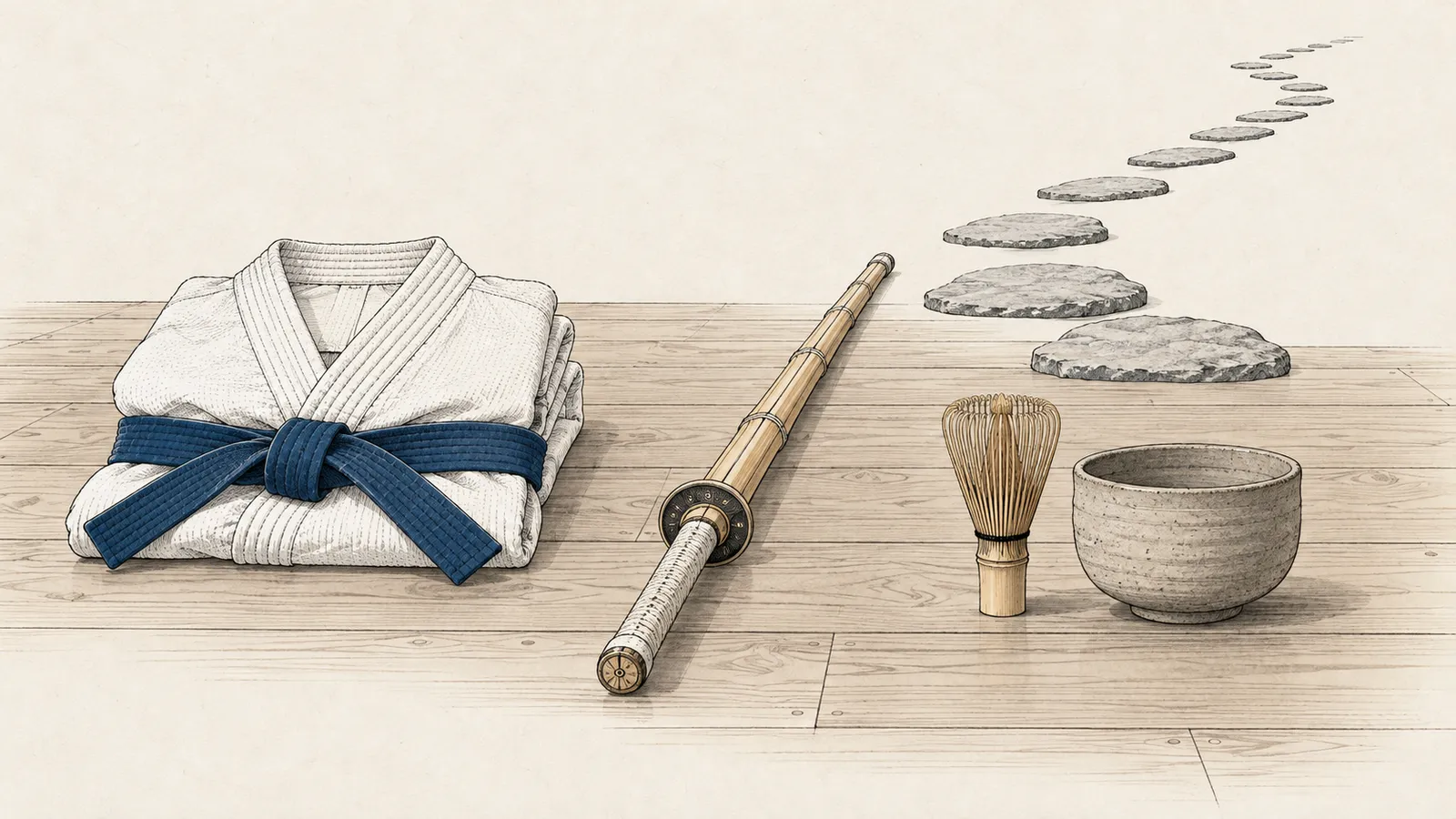
Why do judo, kendo and the tea ceremony all end in "do"?
Judo, kendo, aikido, the way of tea: one little syllable, "do", ends them all. It means "way", and how it got there is younger, and stranger, than you'd guess.
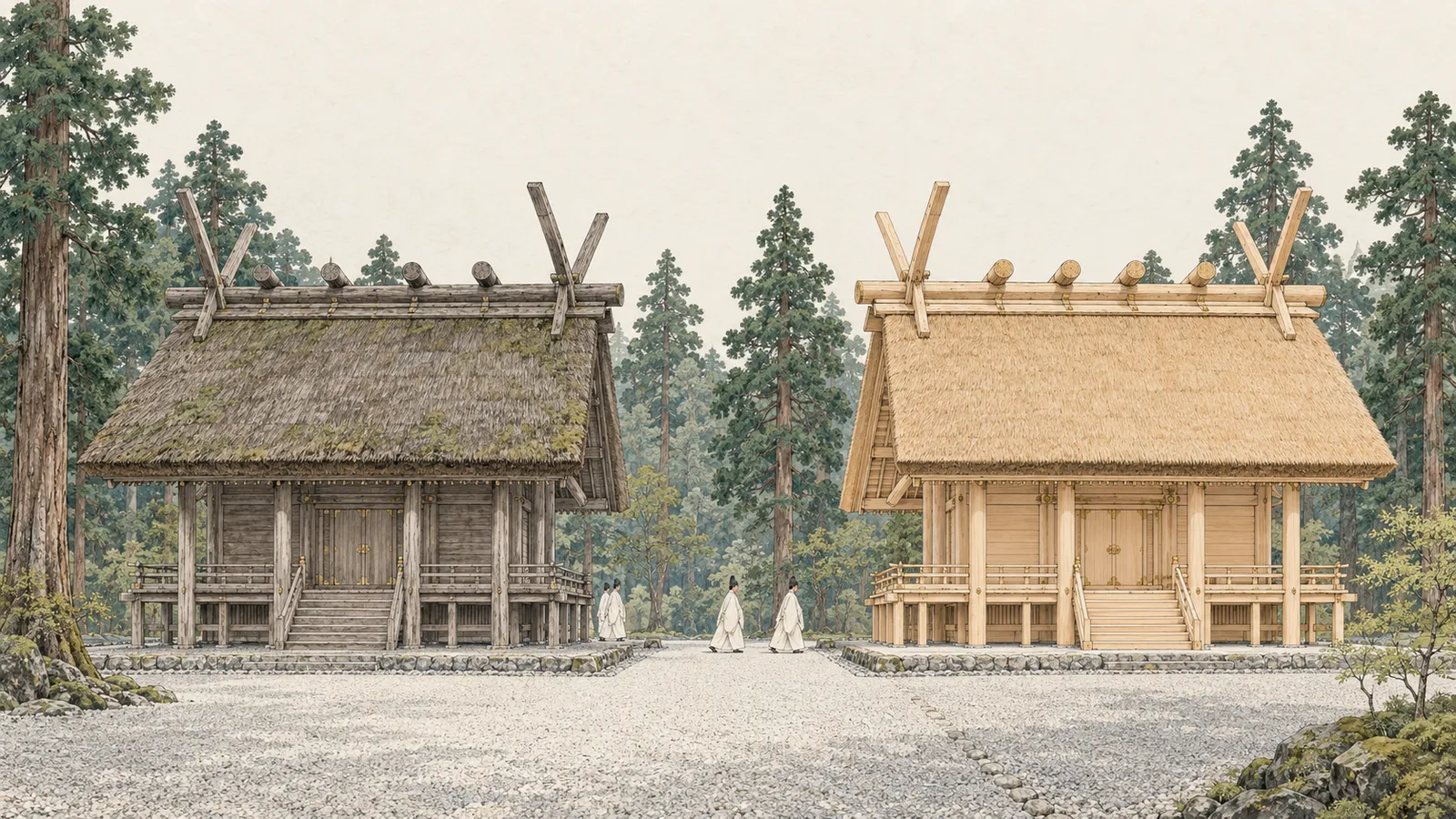
The shrine that is rebuilt from scratch every twenty years
Most old buildings are prized for surviving. Japan's Ise Shrine is prized for being made new, again and again, on the plot right next door. Follow one pillar through its three lives.
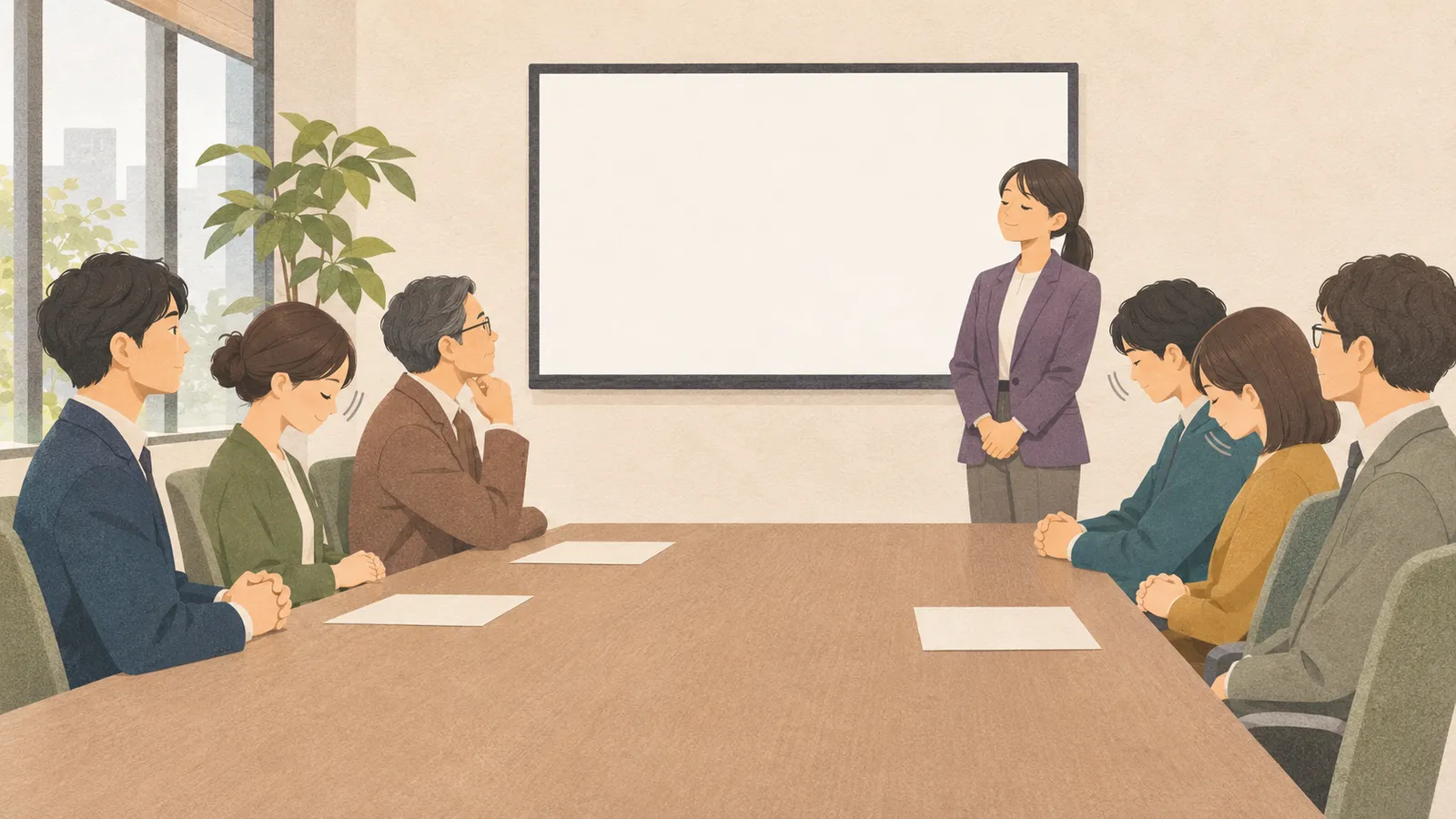
The meeting where nobody said no
In many offices, silence means you have nothing to add. In Japan it often means the decision was made last week. A short guide to "reading the air".