Mind
Why apologies come first, and other habits of the inner life.
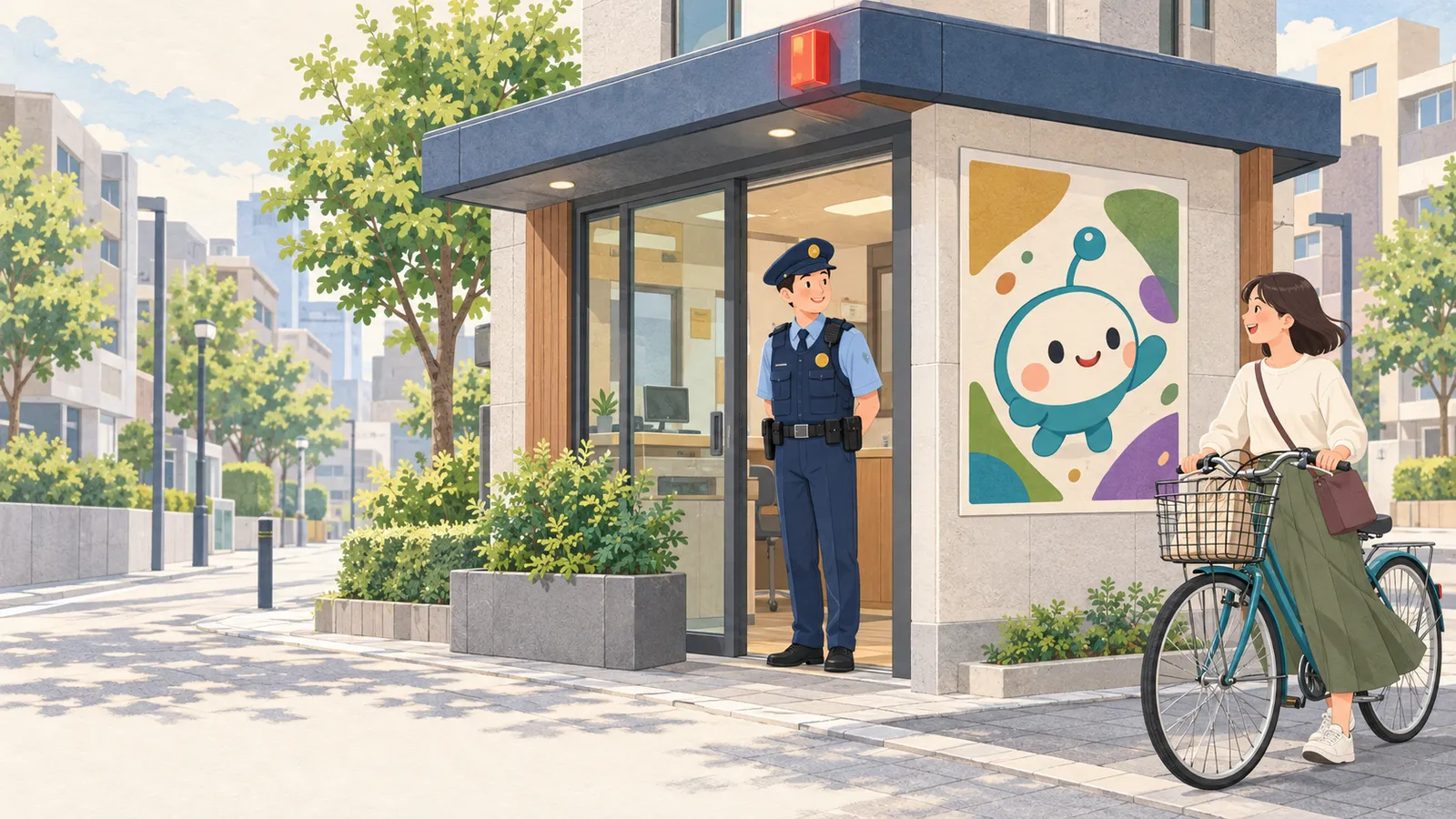
Why does Japan give cute mascots to its police, its towns and even its army?
Tokyo's police have a cartoon mascot, Kumamoto is led by a bear, and even the Self-Defense Forces have characters. Why does Japan let cuteness speak for it?
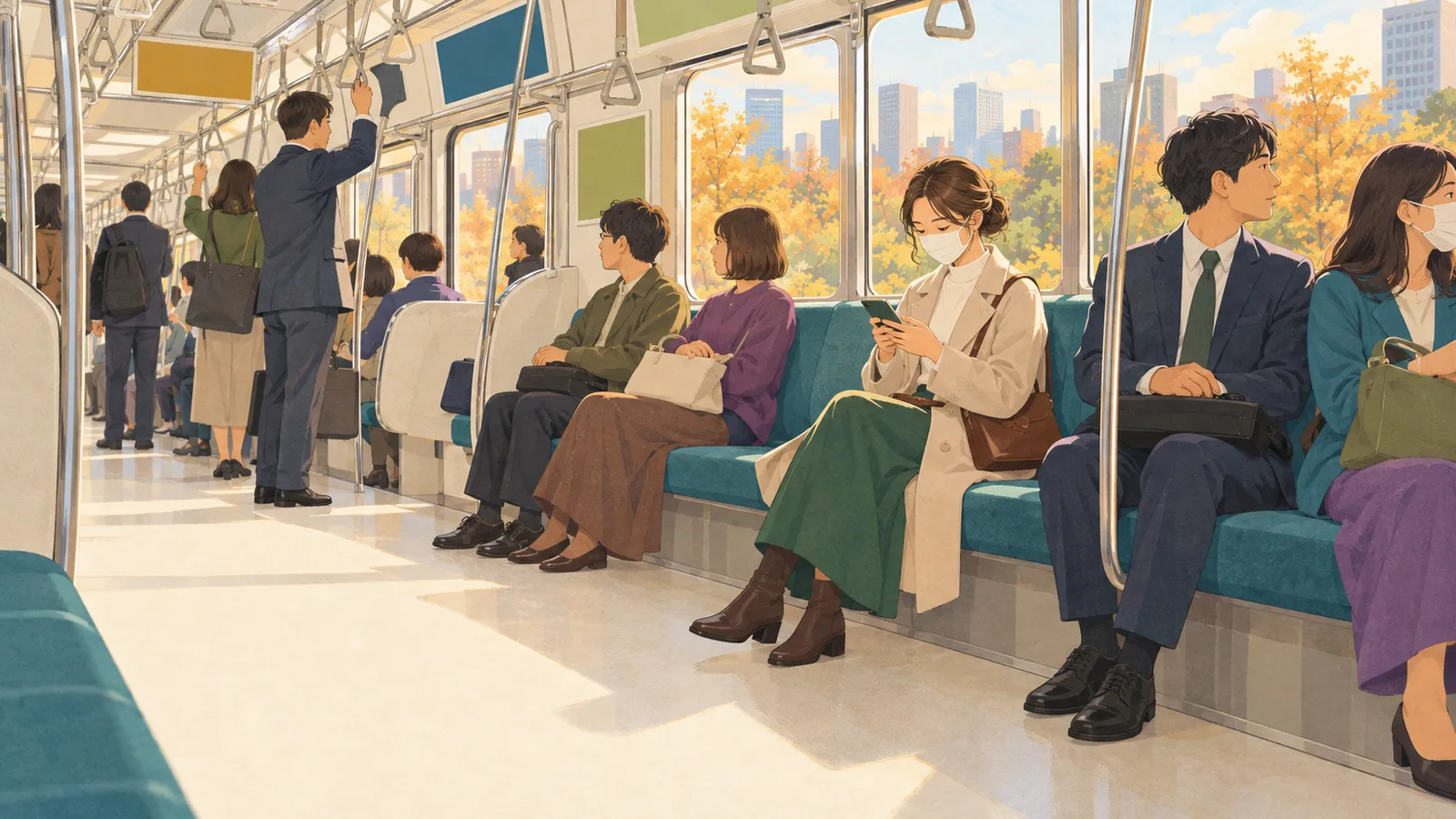
Why Do Some People in Japan Wear a Mask When They Aren't Sick?
Visitors see masks on the train and assume germs or pollution. Ask the wearers and the answers range from "I don't want to pass my cold on" to "I didn't put on makeup today."
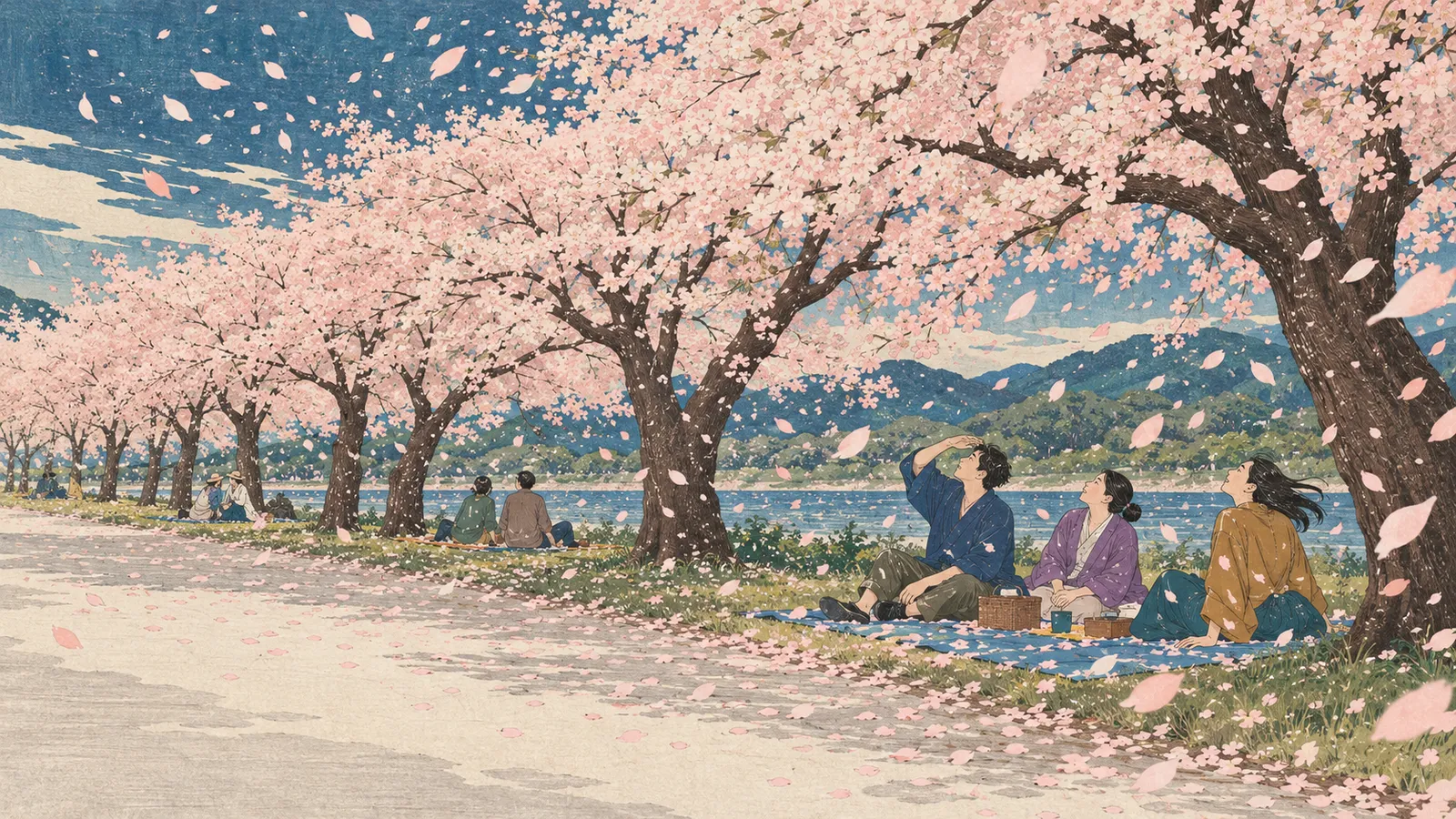
Why the cherry blossom is loved most as it falls
In many gardens, petals on the ground mean the show is over. In Japan, the falling is often the best part, and a poem from around 905 says so outright.
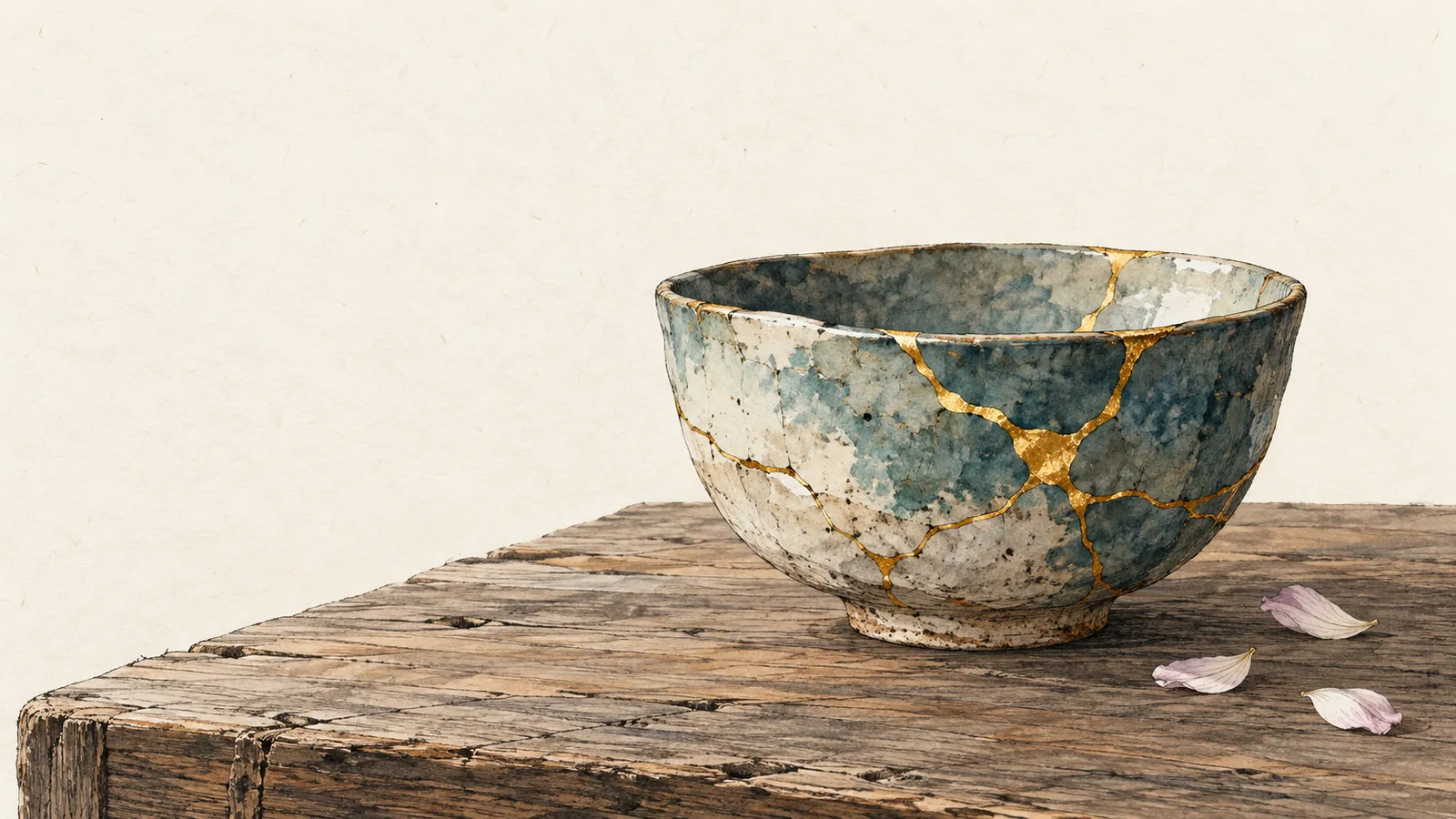
Why Does Japan Find Beauty in Things That Are Cracked, Worn and Fading?
A bowl mended with gold, a blossom that lasts a week, a worn old tea bowl. Why would a culture treat the flaw as the point, and does Japan still live by it?
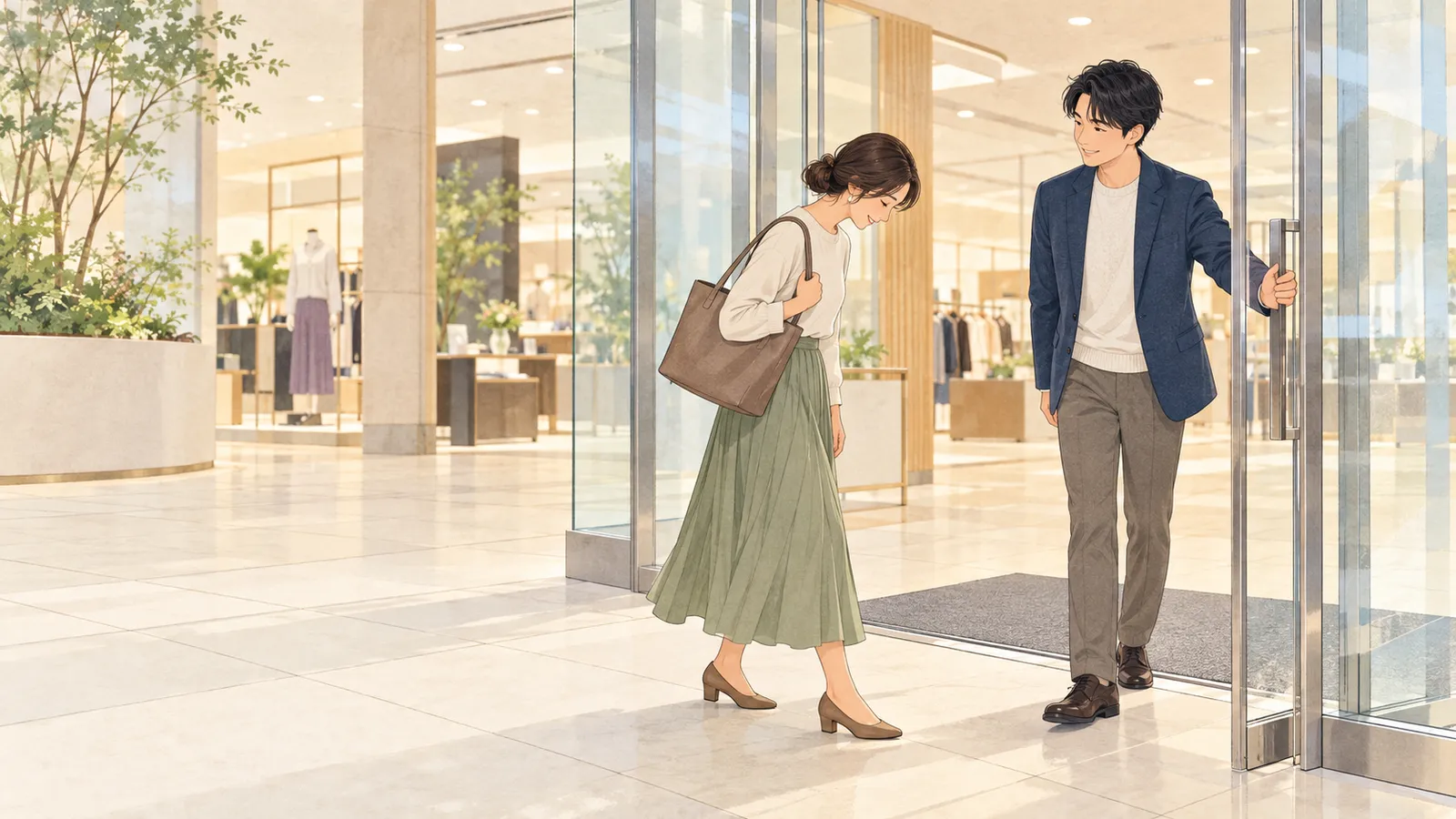
Saying sorry when nothing went wrong
In Japan, a railway apologises for a train that left twenty seconds early, and a stranger who holds a door hears "sorry" instead of "thank you". The word itself explains a lot.
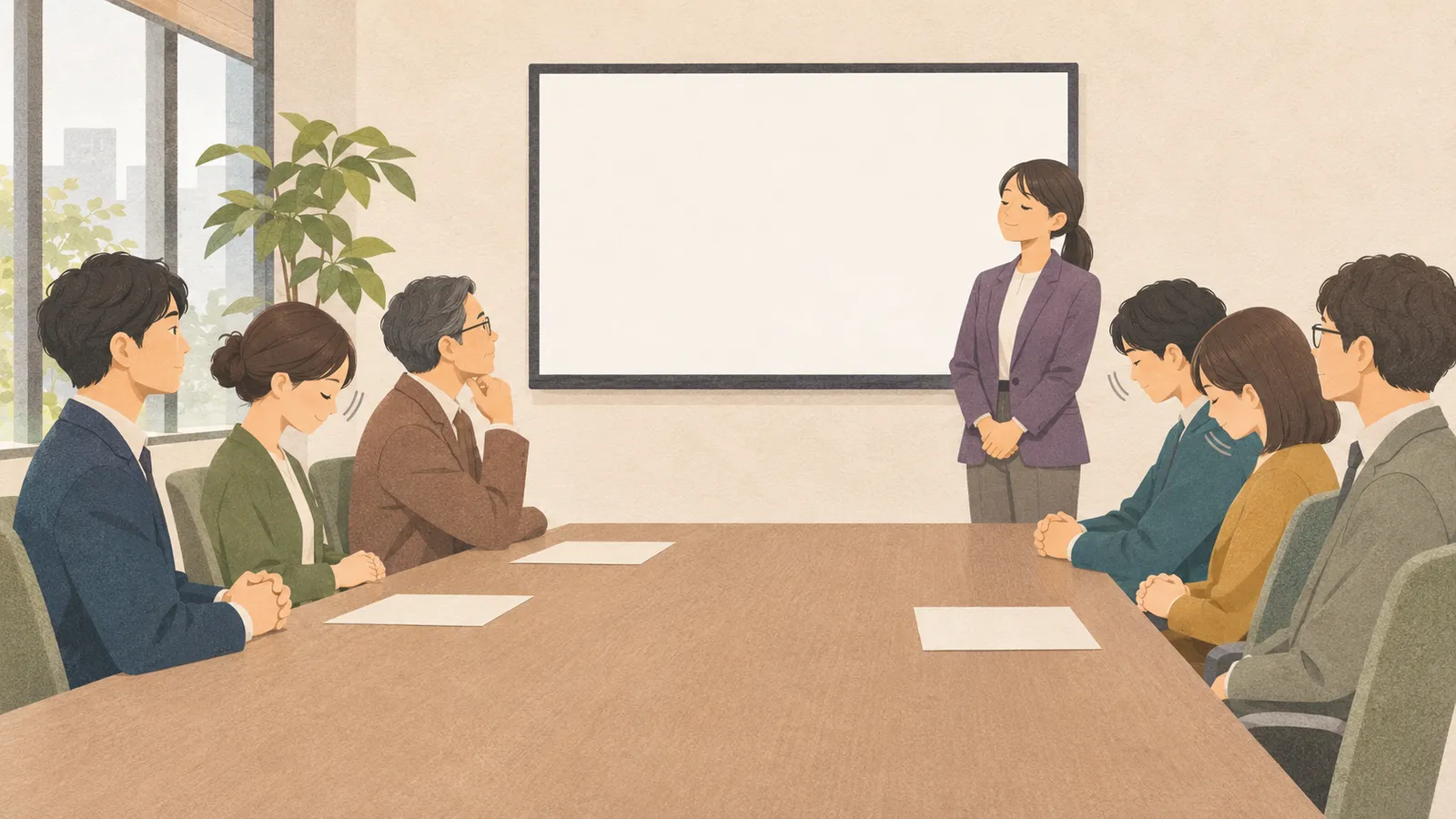
The meeting where nobody said no
In many offices, silence means you have nothing to add. In Japan it often means the decision was made last week. A short guide to "reading the air".