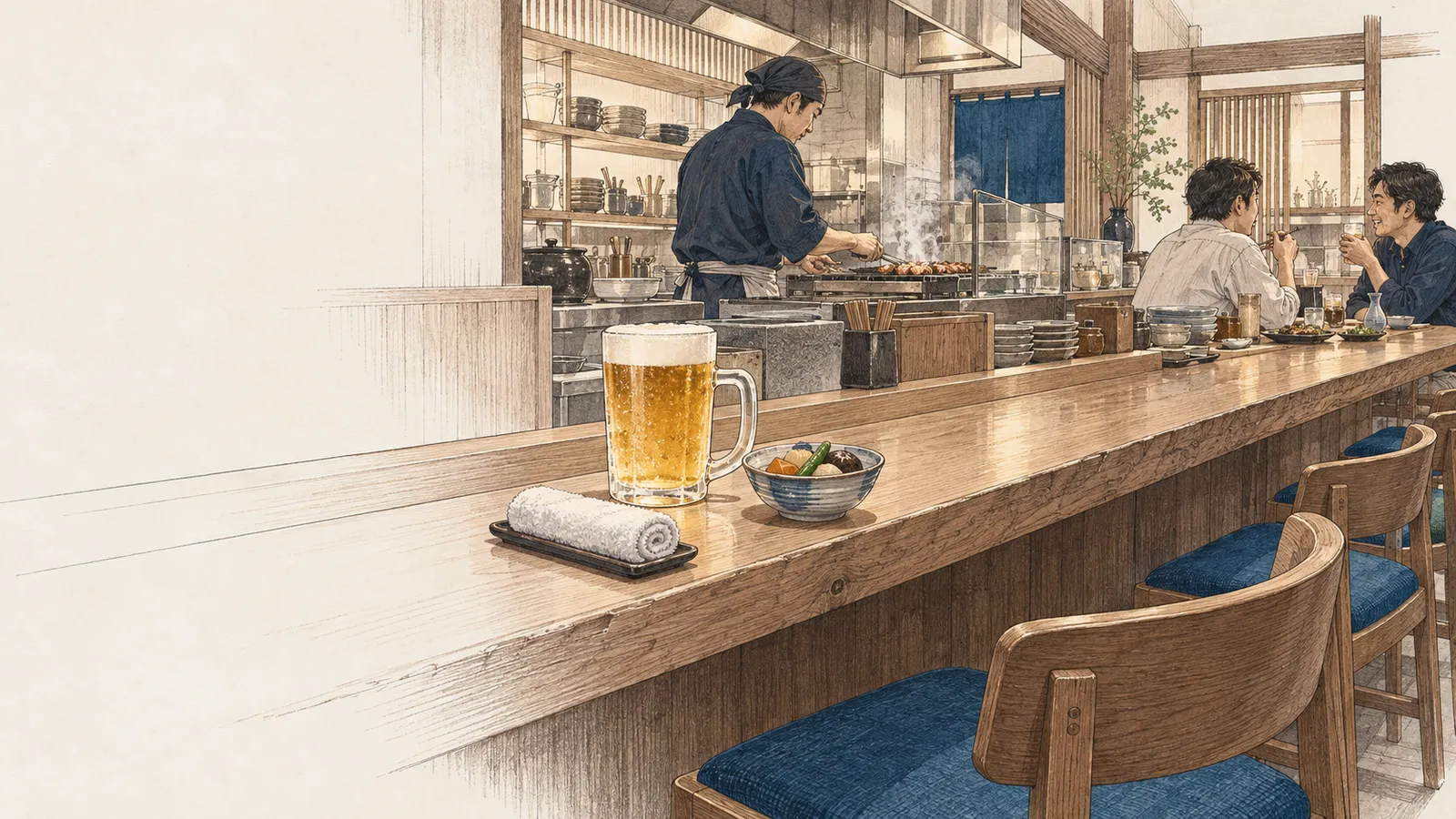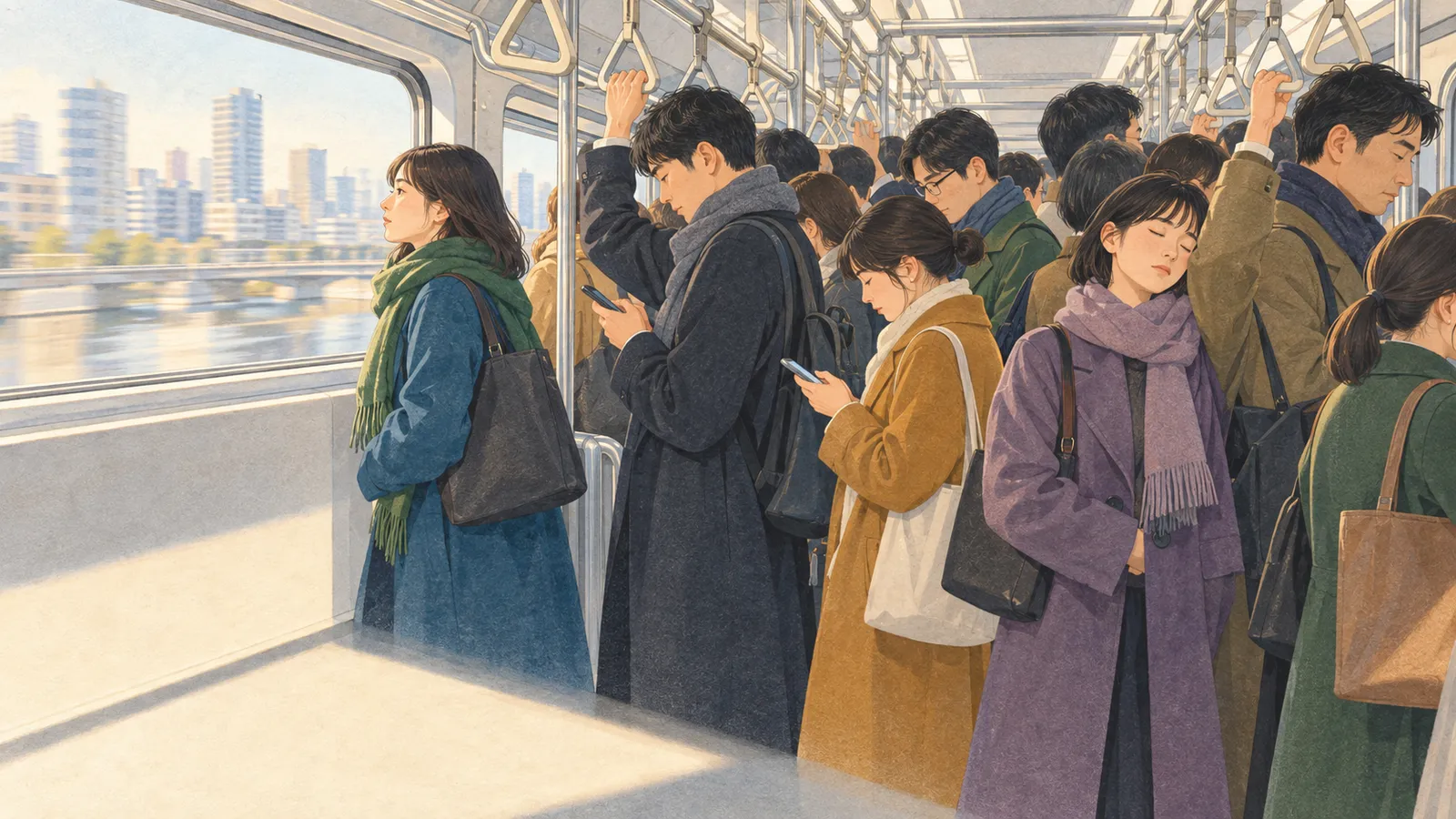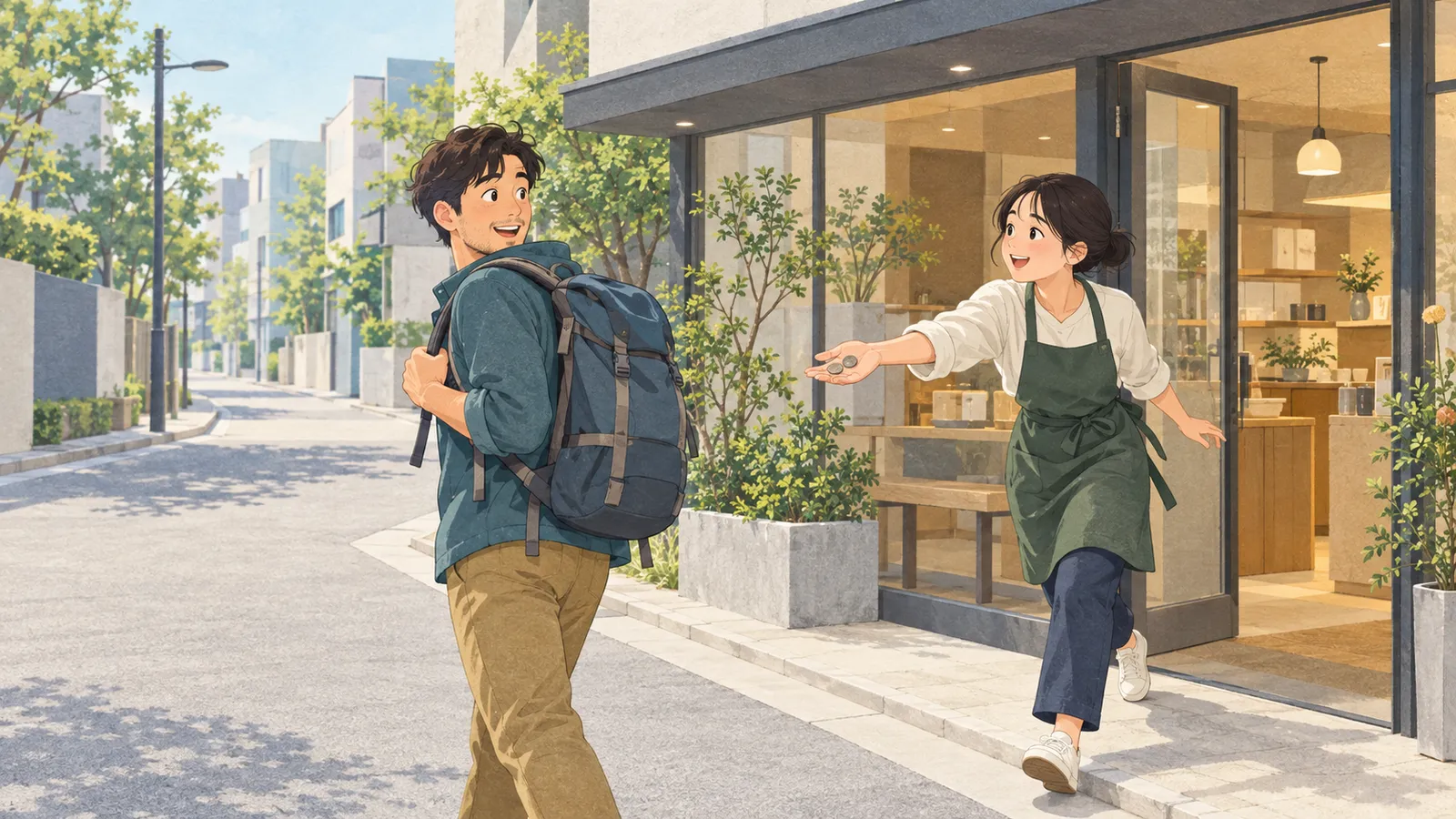
Picture a crowded bus at the end of a long day. Someone has put a shopping bag on the seat beside them, and you are standing. It is annoying, but in most places it is a small thing you put up with.
In Japan, that bag is the kind of thing people mind most. Each year the Japan Private Railway Association asks passengers what bothers them on trains and in stations. In 2023 the top answer, chosen by 37.1 percent, was how people sit: not shifting over to make room, a bag on the next seat, legs stretched out. Second was coughing or sneezing without a thought for the people around you. Third was getting in the way at the doors.
So why does everyday life in Japan run on so many small courtesies? The short answer: they are habits more than feelings. People have long lived very close together, children practise looking after shared space every school day, and the language itself makes you think about the other person each time you speak. Here is each of those, in turn.
Living elbow to elbow
When people live this close, small courtesies are how you keep the peace. And in Edo, the city that became Tokyo, a few hundred years ago, many ordinary people lived very close indeed.
Many townspeople rented a unit in a nagaya, a long wooden row house on a back street. The classic unit was about 2.7 meters wide and 3.6 meters deep, just under 10 square meters: a dirt-floored entry and one small room behind it. Neighbors shared the toilet and the well. There was no bath at home, and townspeople loved bathing so much that many are said to have gone to the public bathhouse every day. The well was where daily life happened: fed by water piped in through the city’s aqueducts, it was where the women came to wash and draw water, and where they stood and talked.
Picture sharing a toilet and a well with your neighbors your whole life. Waiting your turn, leaving things as you found them, a word of greeting: each one costs little and pays you back every day. That is one reading, not a proven history, but it is easy to see.
Edo townspeople also had somewhere to learn the rules. The samurai, the warrior class that ruled Japan for centuries, had formal schools of etiquette, and one of them, the Ogasawara school, spread to townspeople, who took up its manners as lessons in how to behave. Courtesy was something you could study.
Serving lunch, sweeping the floor
The habit still starts early. In Japanese schools, the pupils on lunch duty serve the meal to their classmates, and the pupils clean the school together. The educators behind this say the daily routine teaches children to keep things clean, to know what goes into a meal, and to be grateful for food.
For a child, that means years of handing a bowl to the person next to you, and of wiping the floor everyone walks on. Looking after a shared space stops being a rule and becomes ordinary.
A grammar that asks where you stand
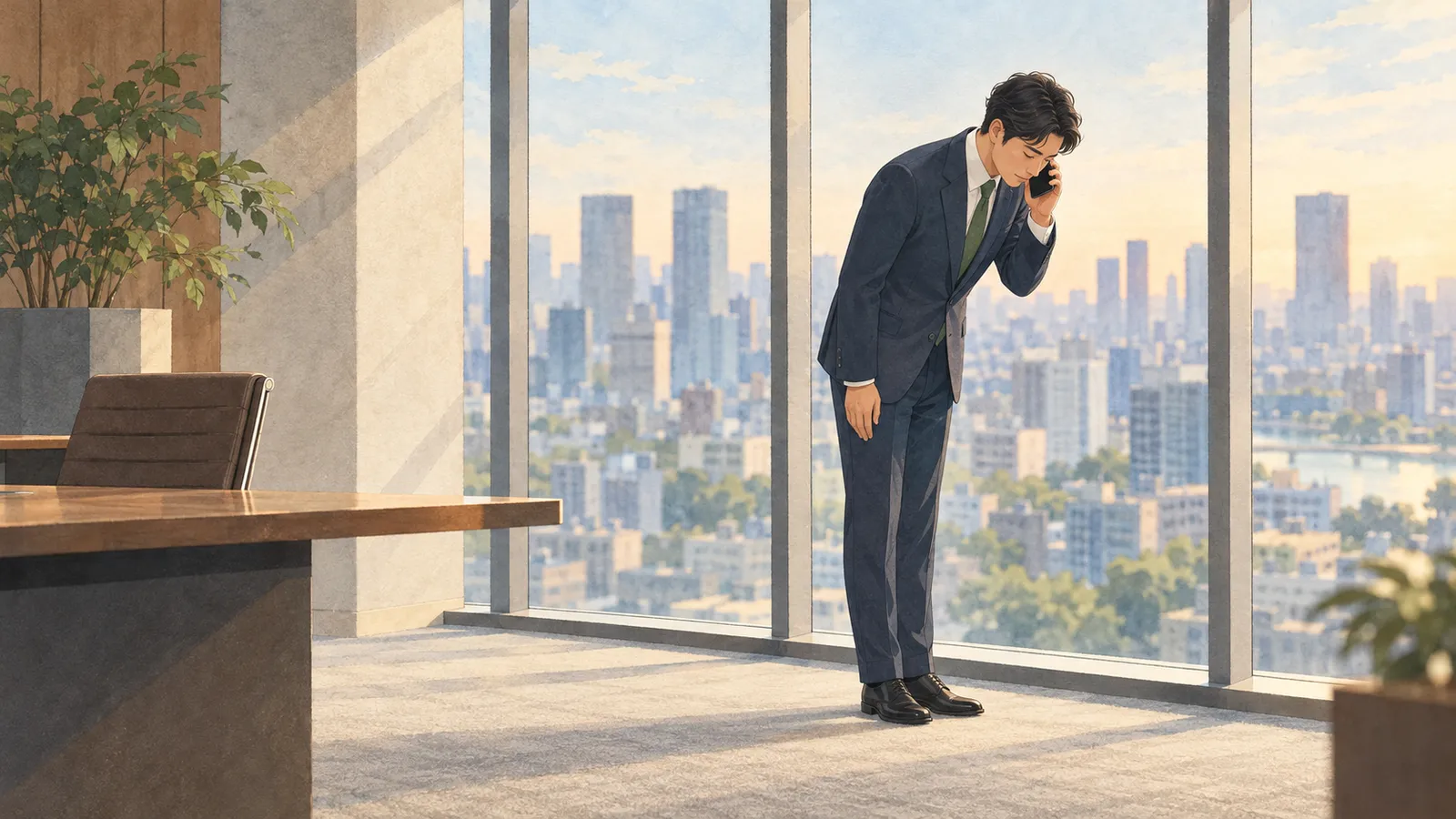
Then there is the language. Japanese has different verbs for “eat” depending on who is eating. A clerk inviting you to eat uses a polite verb that raises you up. When the same clerk talks about their own eating, they switch to a humble verb that lowers themselves. Even a few words at a counter ask the speaker to place you above themselves.
This is hard for Japanese people too. In a 2005 survey by the Agency for Cultural Affairs, 67.6 percent said they find polite speech difficult at least sometimes, and most of them said the hard part is getting it right for the person and the situation. Nobody is simply born with it. It is a skill people learn and practise, and they worry about getting it wrong.
The train survey from the start shows the same thing from the other side. People do not always get it right, and the people around them notice.
So, why so many?
Because the courtesies were practised, not just felt. Close living made them useful, etiquette schools taught them, school routines drill them into children, and the language asks for them in every sentence. Perhaps the simplest way to put it: it is less that everyone in Japan is especially kind, and more that everyone has had a lot of practice.
That is also why a bag on a train seat stands out. In a place where nearly everyone has practised making room, the one person who does not is easy to spot.
For a related story, see how silence works in a Japanese meeting.