Everyday life
13 stories
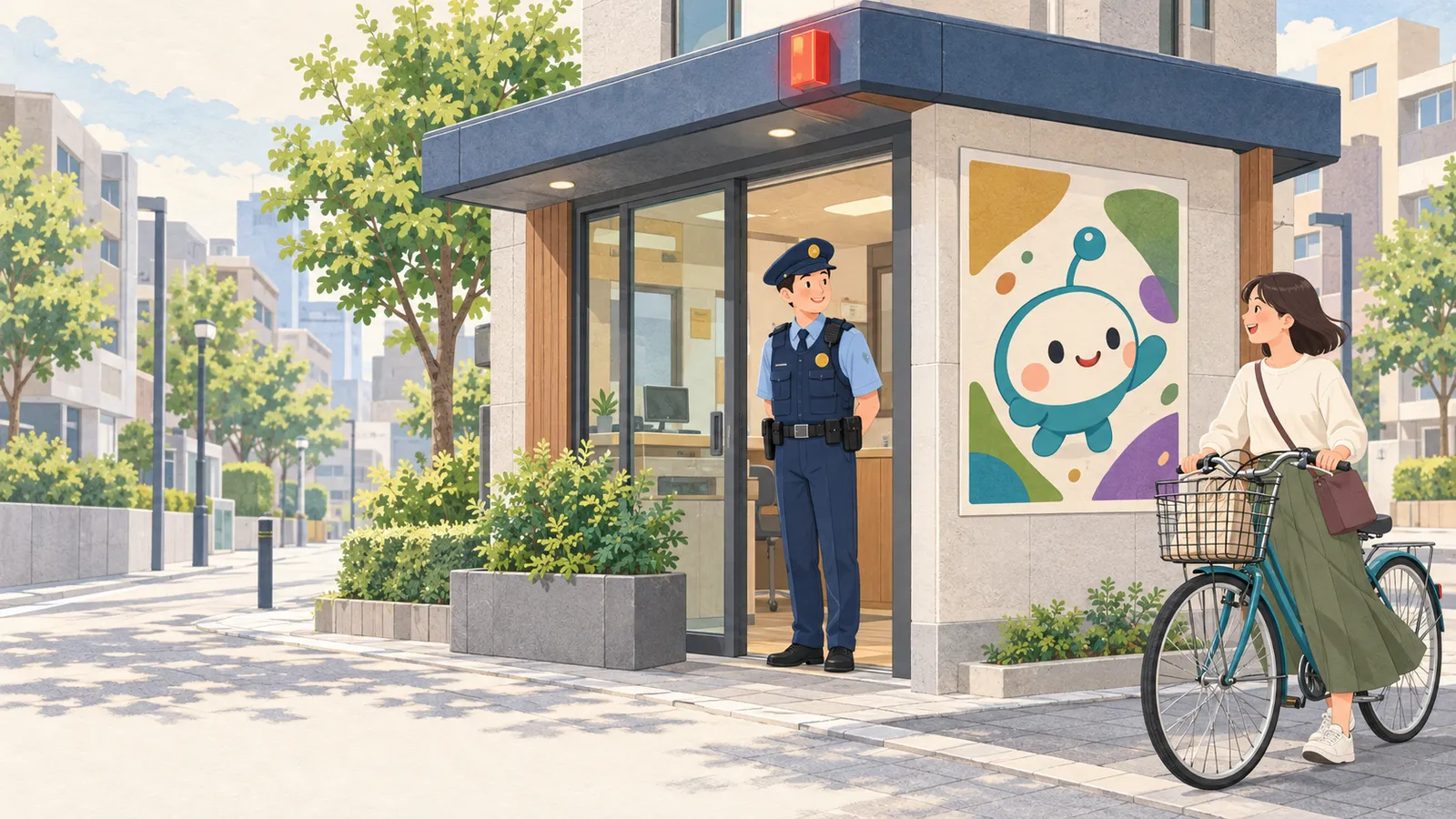
Why does Japan give cute mascots to its police, its towns and even its army?
Tokyo's police have a cartoon mascot, Kumamoto is led by a bear, and even the Self-Defense Forces have characters. Why does Japan let cuteness speak for it?
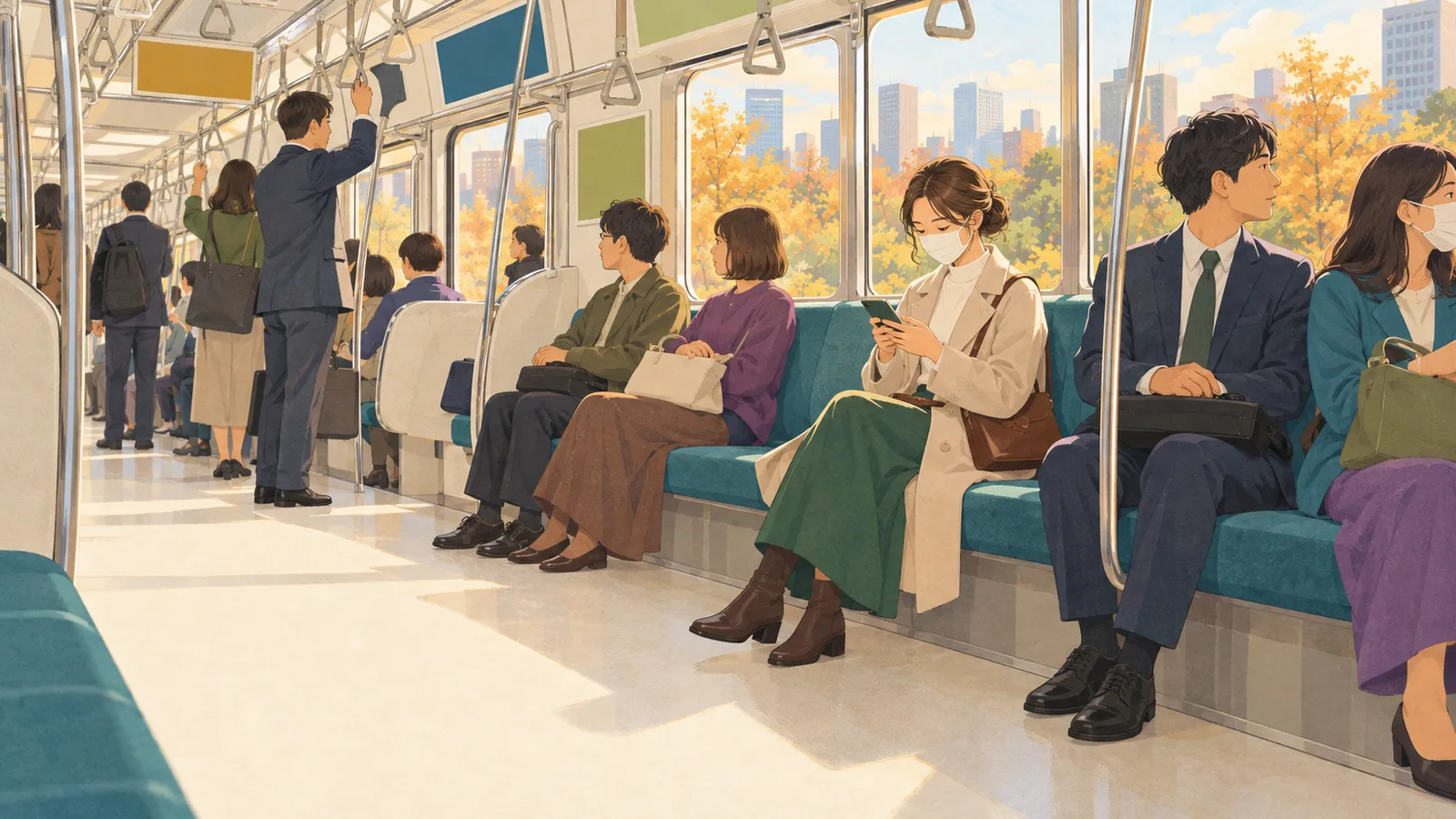
Why Do Some People in Japan Wear a Mask When They Aren't Sick?
Visitors see masks on the train and assume germs or pollution. Ask the wearers and the answers range from "I don't want to pass my cold on" to "I didn't put on makeup today."
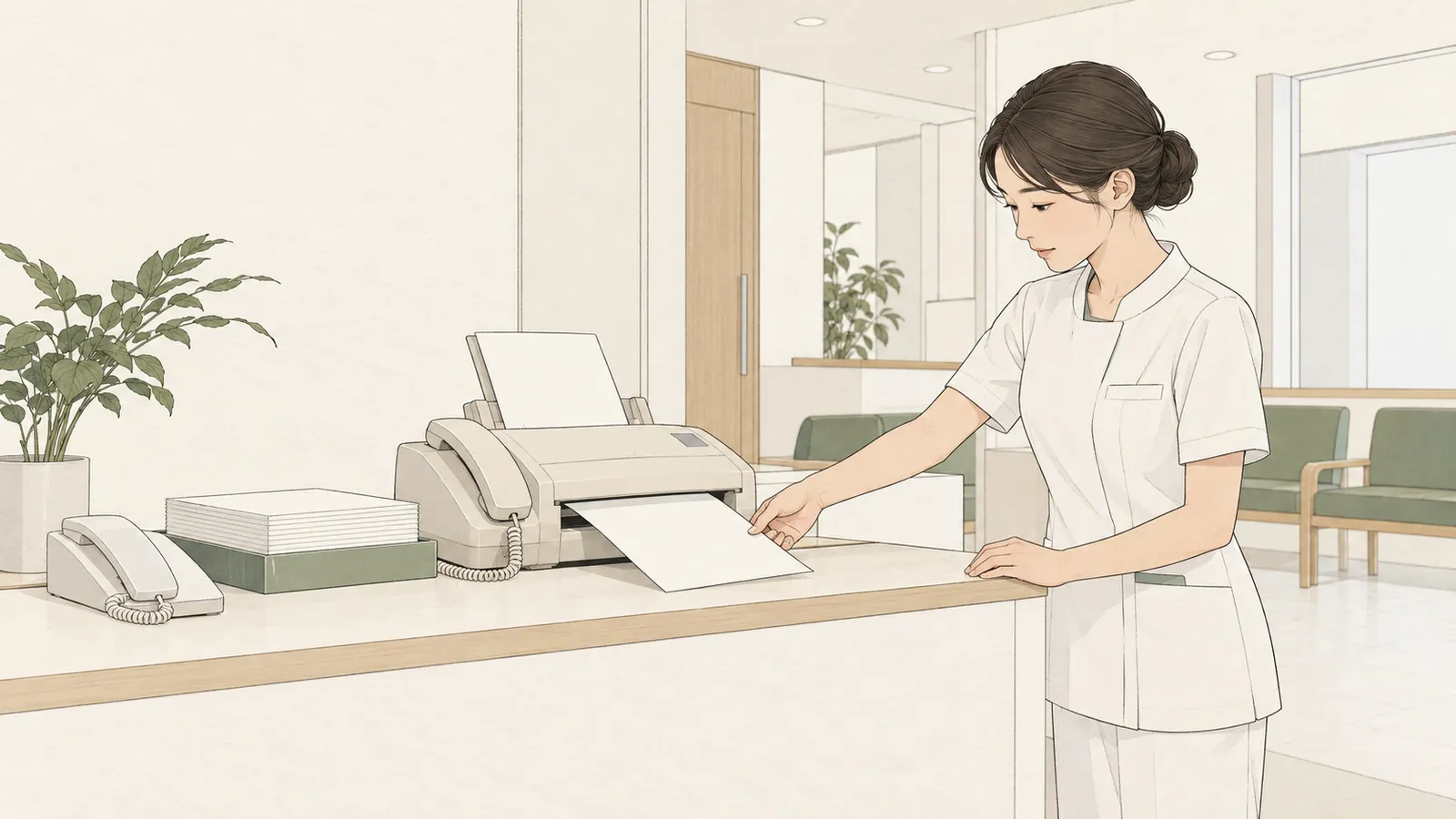
Why does the country of bullet trains still send so many faxes?
Japan runs bullet trains to the second, yet plenty of offices, clinics and city halls still send documents by fax. It is not because nobody has heard of email.
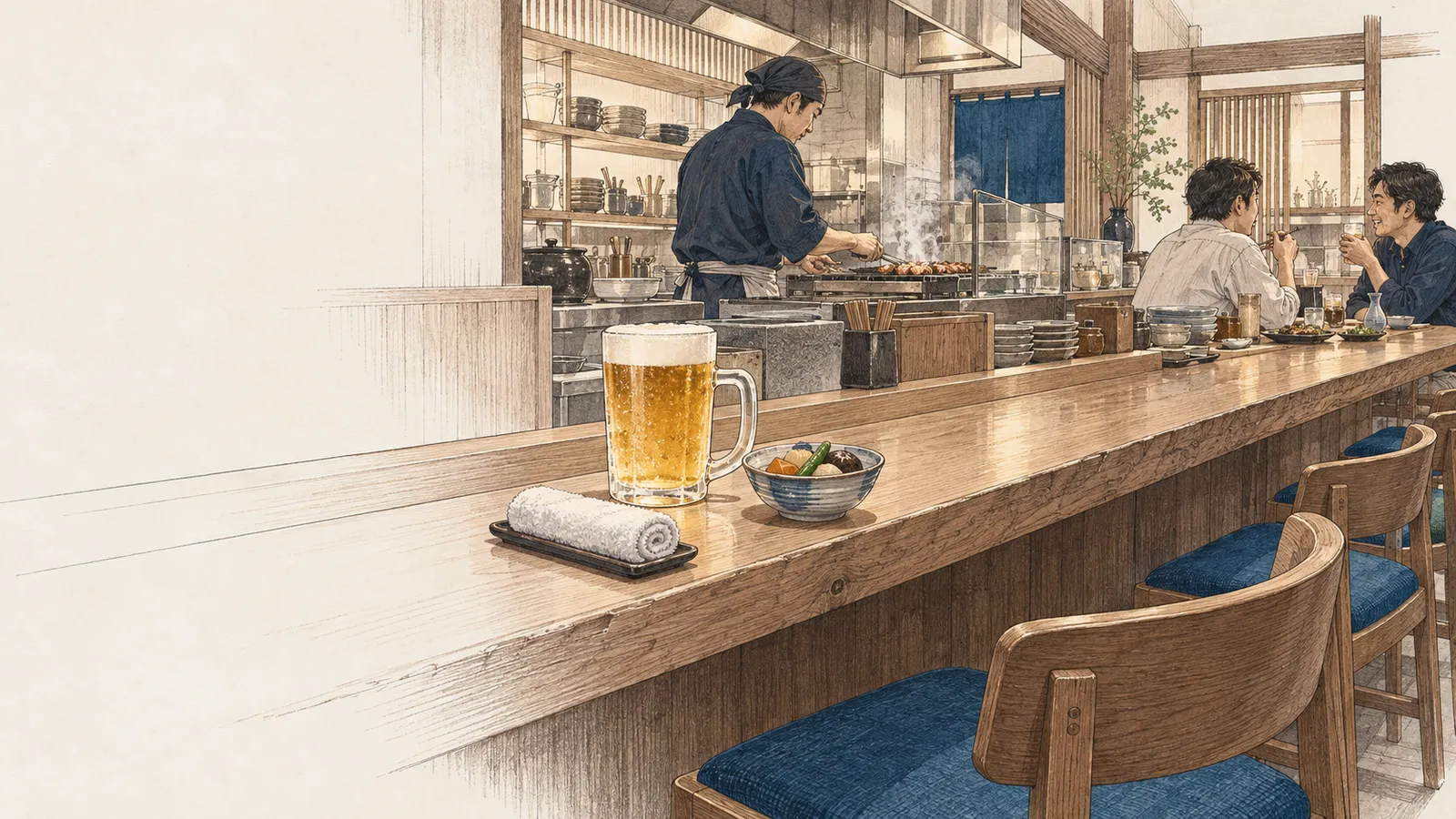
Not a bar, not quite a restaurant: what exactly is an izakaya?
Small plates, a drink first, and a dish you never ordered. Why the izakaya works the way it does, and how it became a favourite after-work stop in Japan.
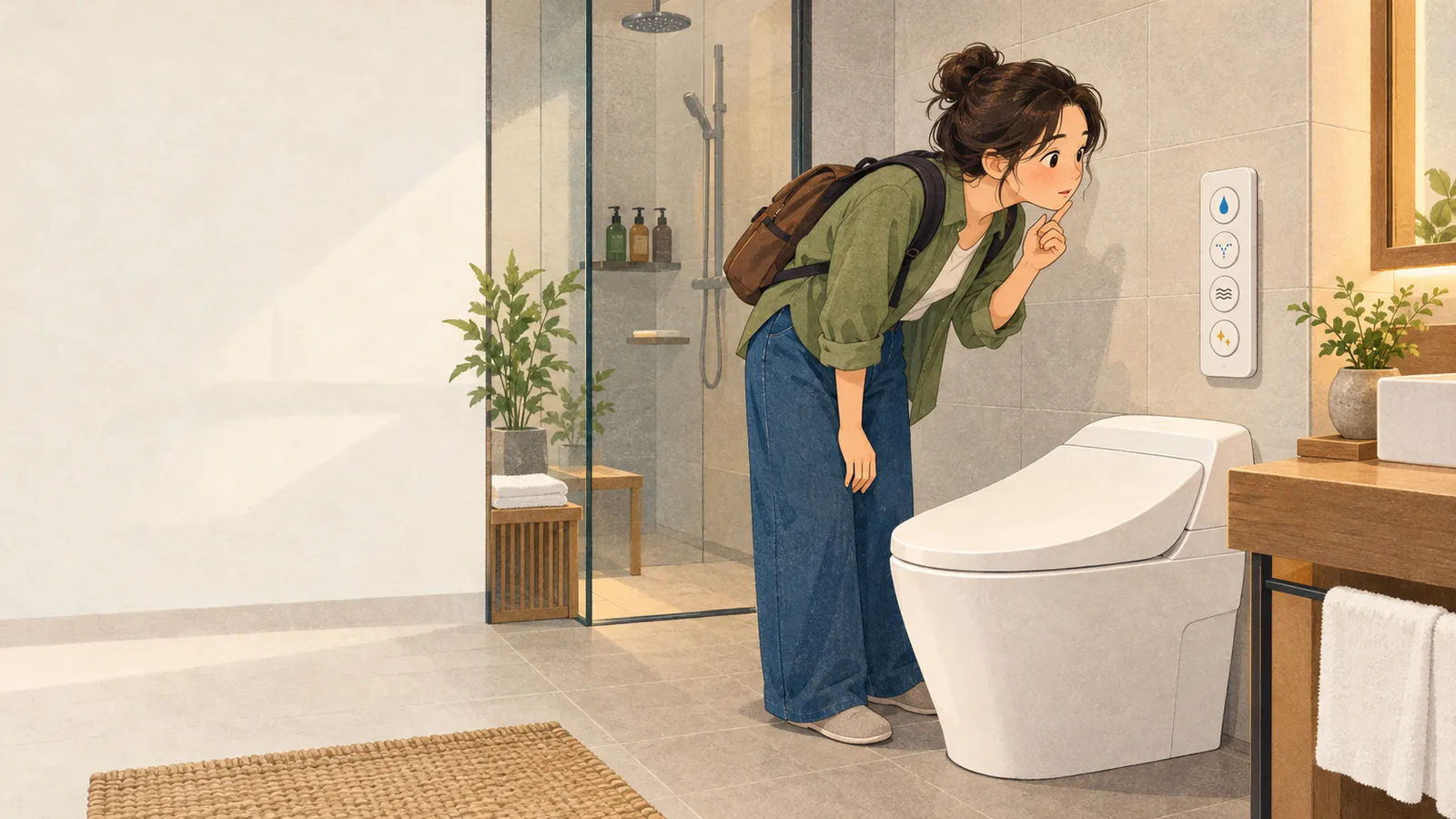
Why did toilets in Japan go high-tech, when most of the world's never did?
Heated seats, warm water, a button that plays the sound of a stream. Why did Japan's toilets turn into machines, and why hasn't the rest of the world followed?
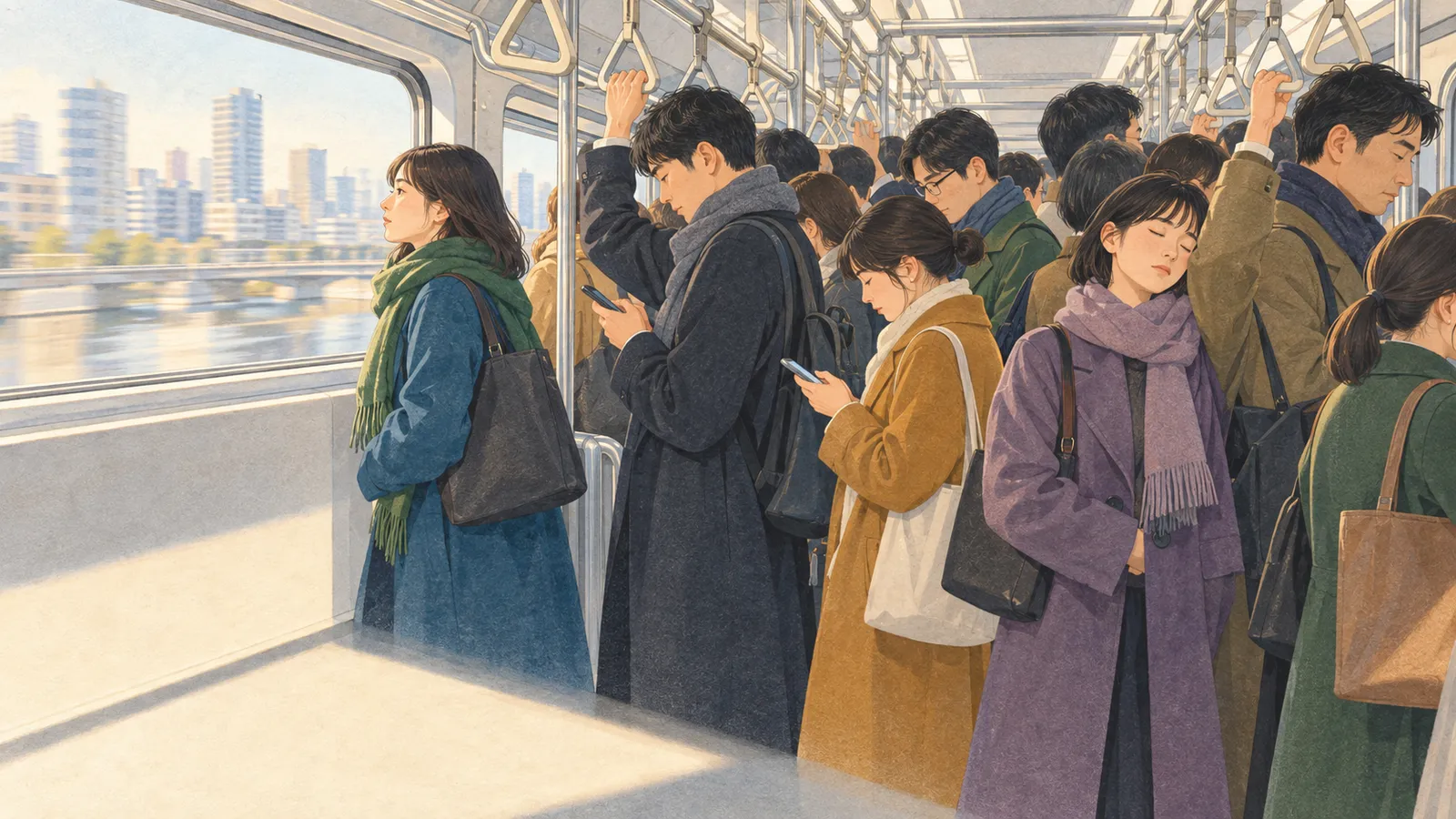
Why is a crowded Tokyo train so quiet?
Hundreds of people, shoulder to shoulder, and almost nobody talking. No law asks for it. The clues are in a station announcement, fifty years of posters and one old word.
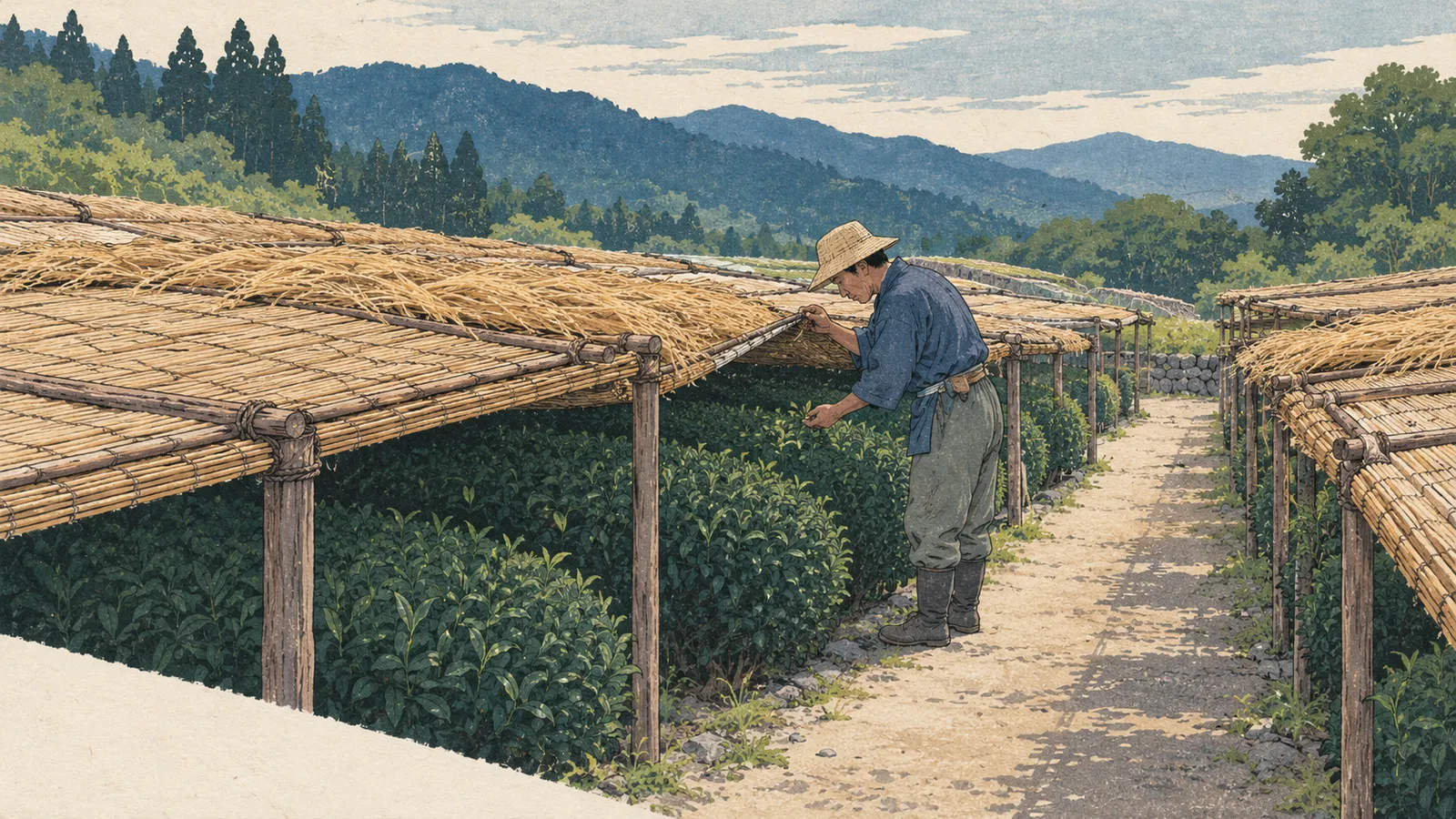
Matcha is in every café now. What is it, and is it really good for you?
Matcha lattes are everywhere, and so are the health claims. What makes matcha different from other green tea, and what can honestly be said about it?
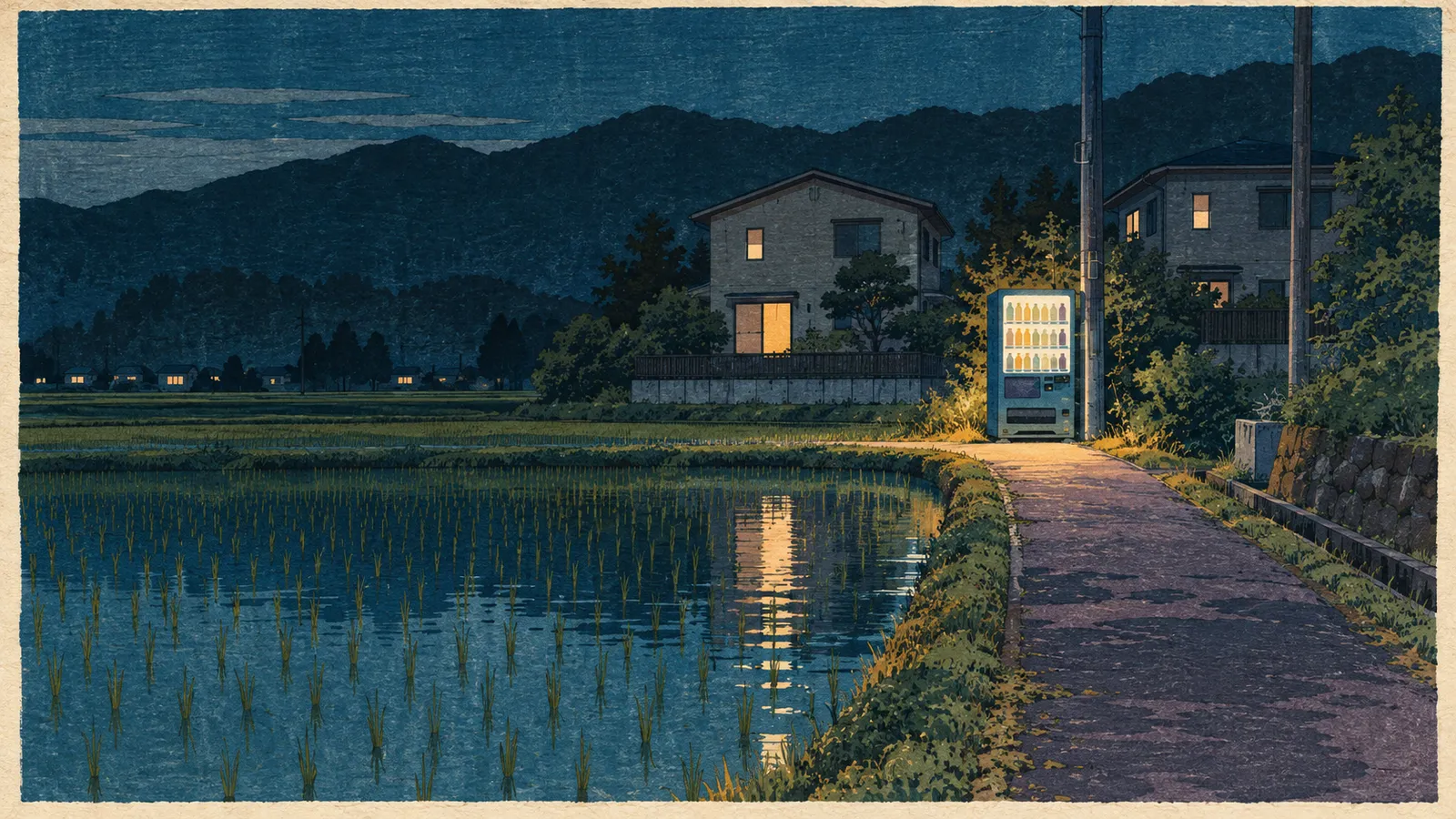
The vending machine at the end of the lane
Elsewhere, vending machines tend to stand where people already are. In Japan you find one glowing beside a rice field. Here is who puts it there, and why it sells hot coffee in winter.
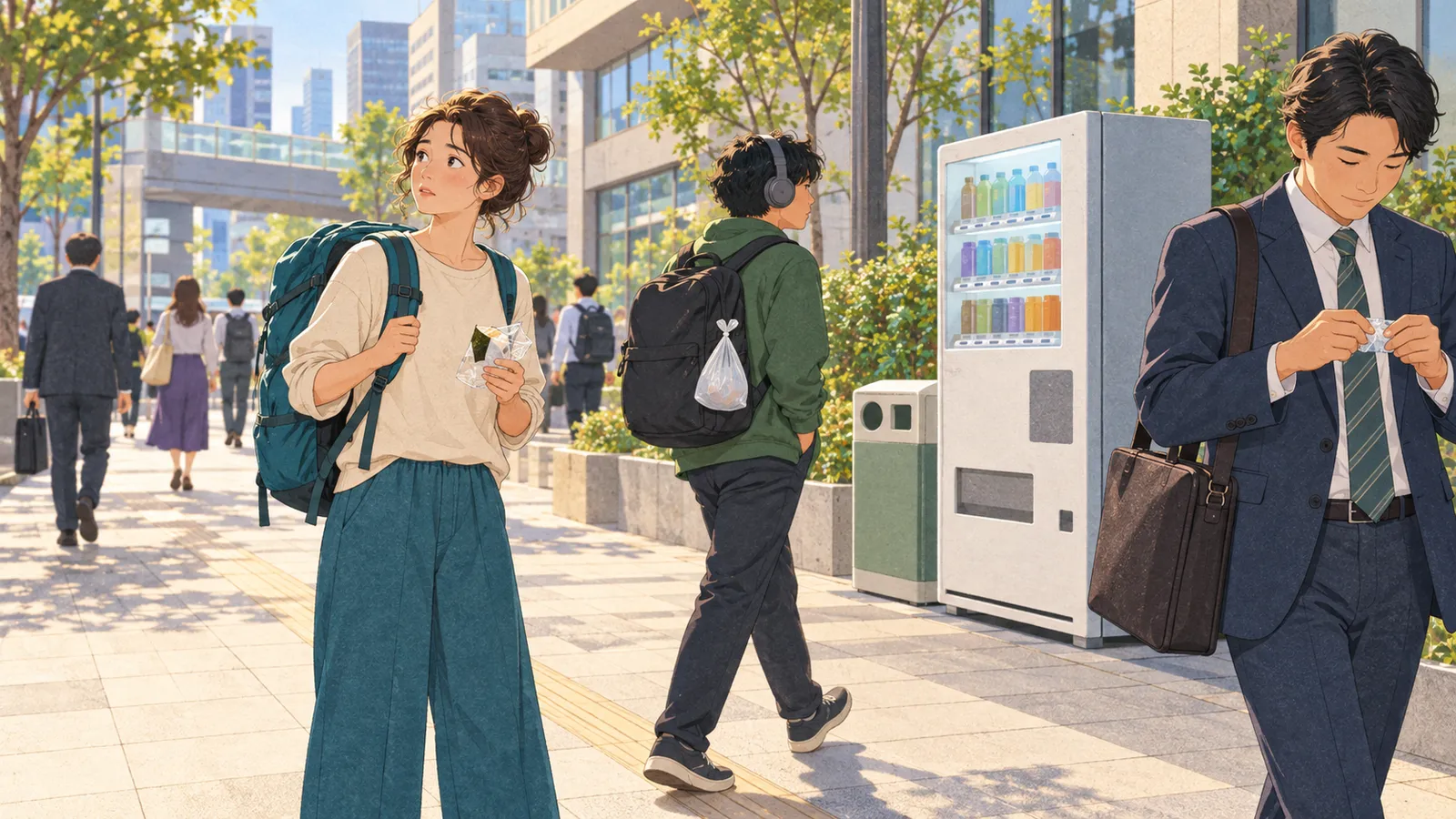
Japan has almost no public bins. So where does the rubbish go?
Visitors to Japan often end the day with a pocket full of wrappers and no bin in sight. The short answer is: home. The longer answer is how that became normal.
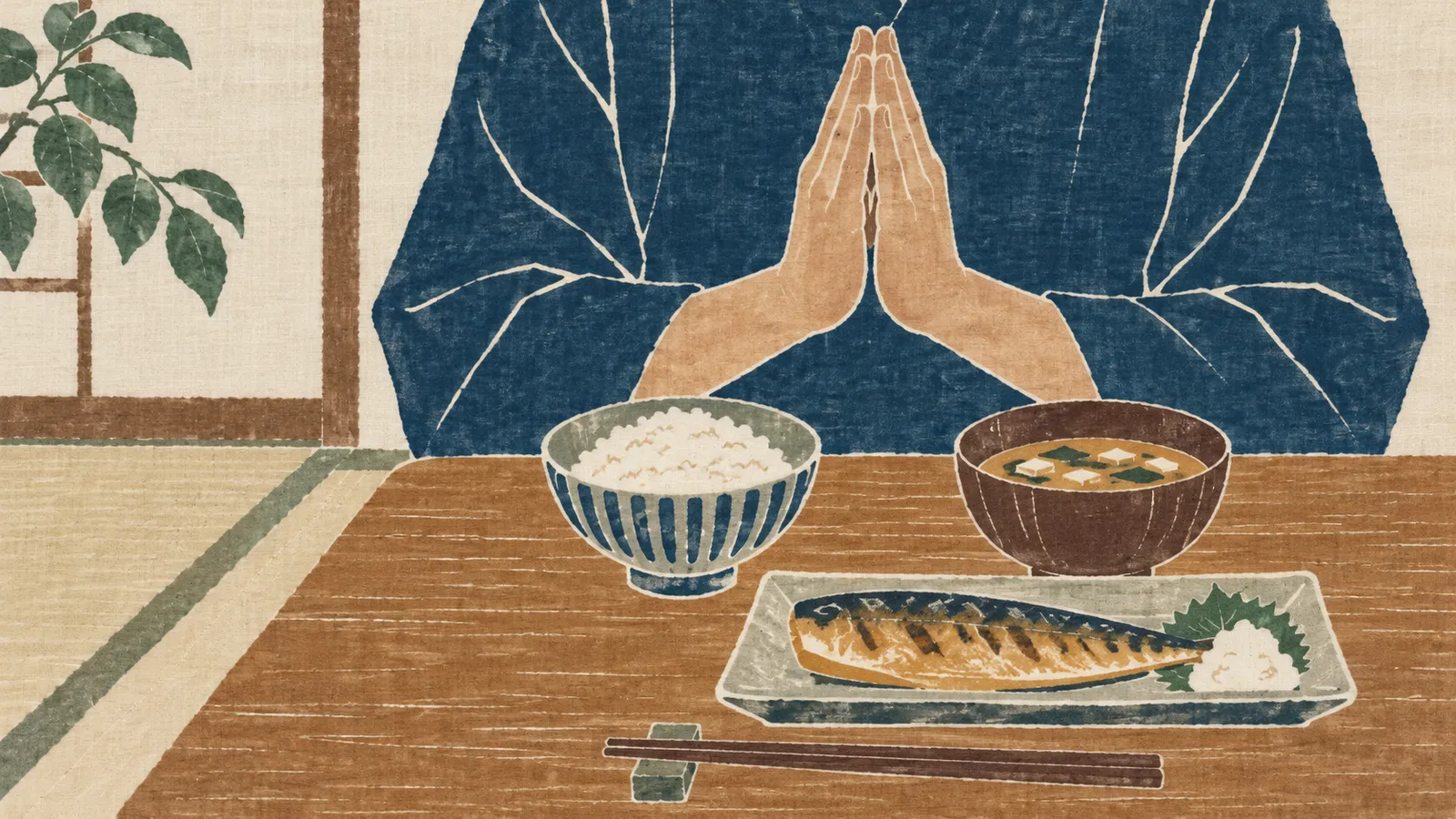
Who are you thanking when you say "itadakimasu" before a meal in Japan?
Hands together, one word, then chopsticks. Many people in Japan say "itadakimasu" before a meal, even with no religion in mind. Who is the thanks for?
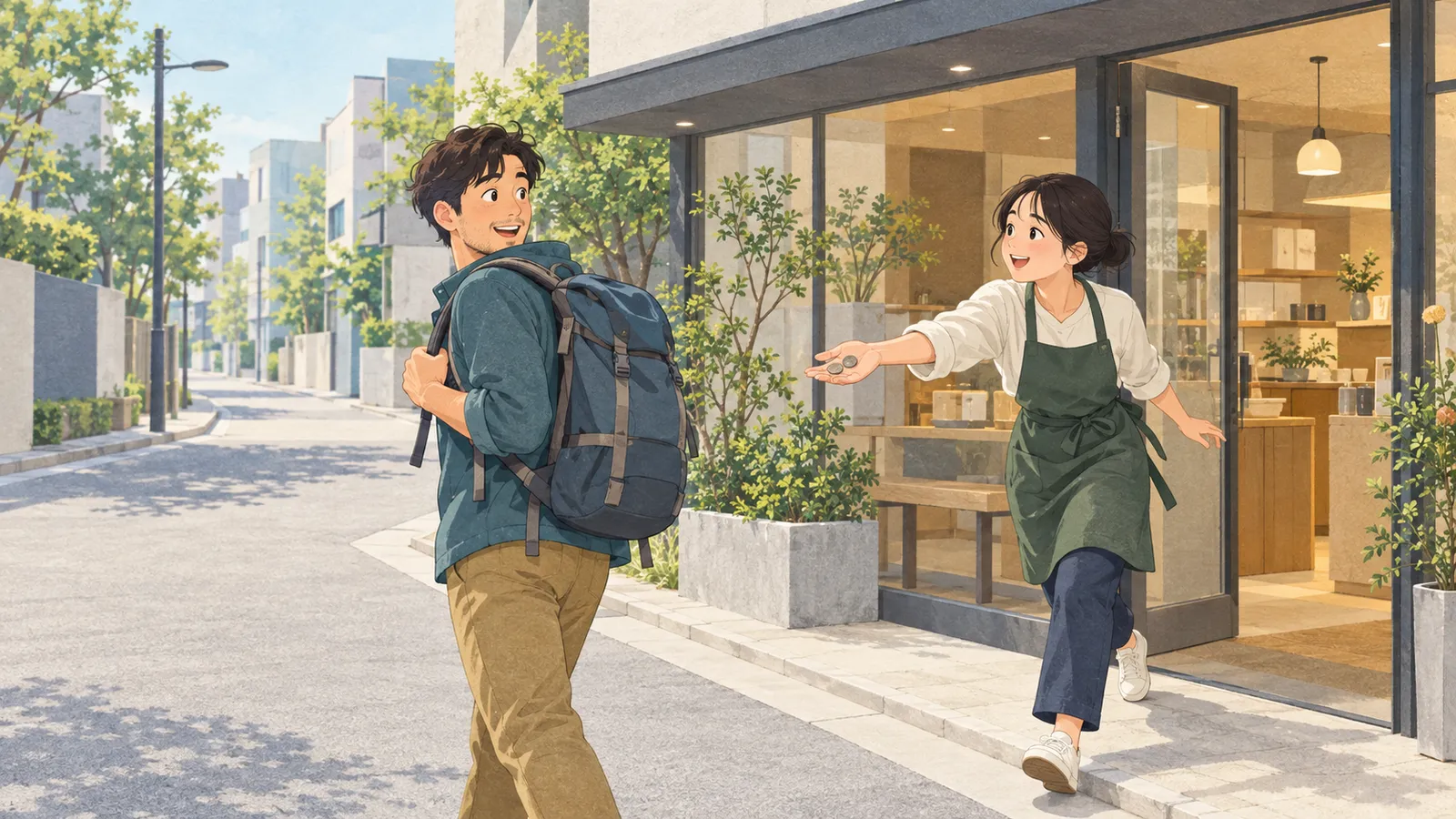
Why does everyday life in Japan run on so many small courtesies?
On a Japanese train, the top complaint is someone who will not shift over to share a seat. Where do so many small courtesies come from?
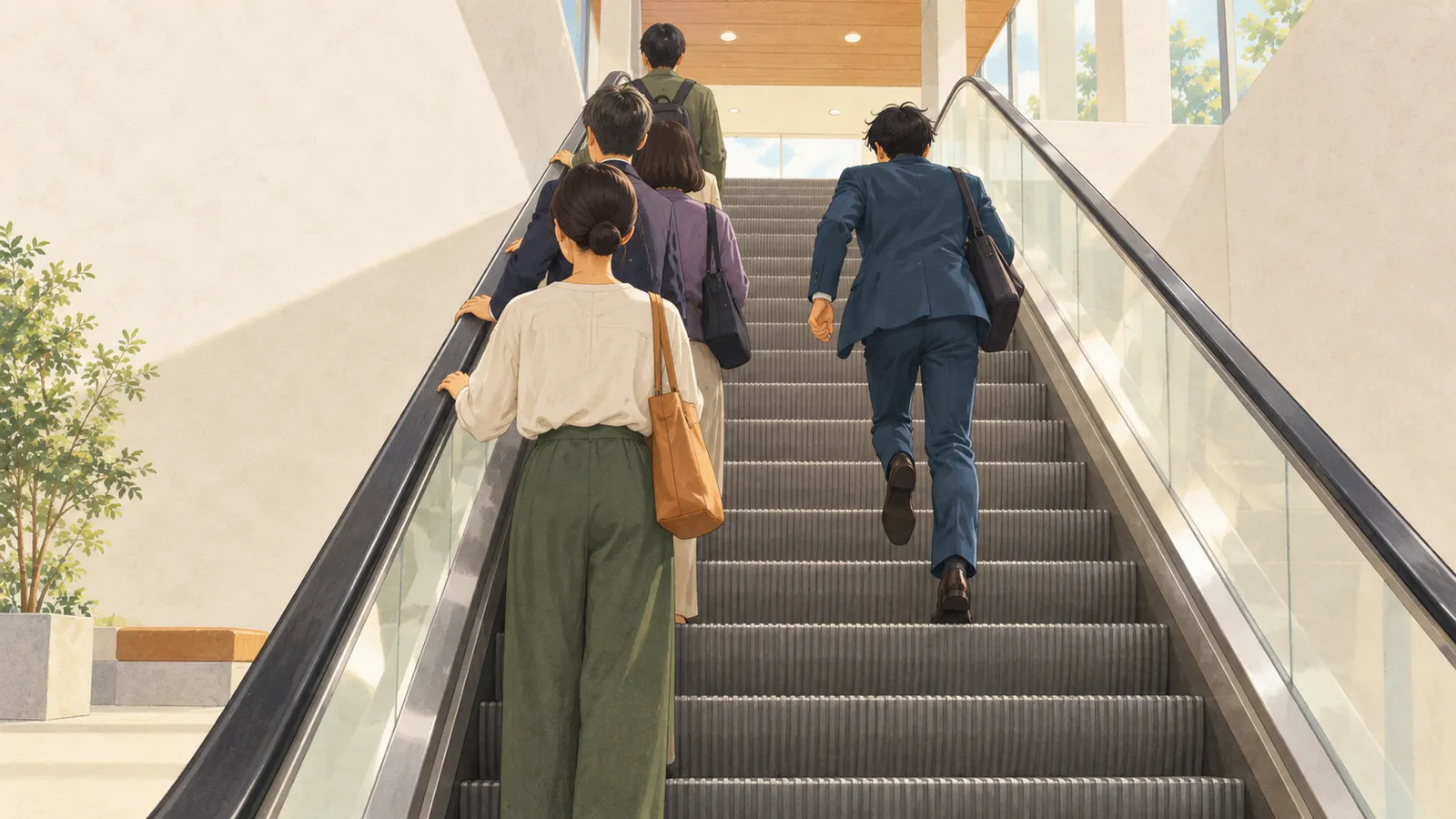
Japan's unwritten rules: a 2026 guide for first-time visitors
A dish you never ordered on the bill, a line on one side of the escalator: the small everyday rules in Japan, what people actually do, and why. Updated yearly.
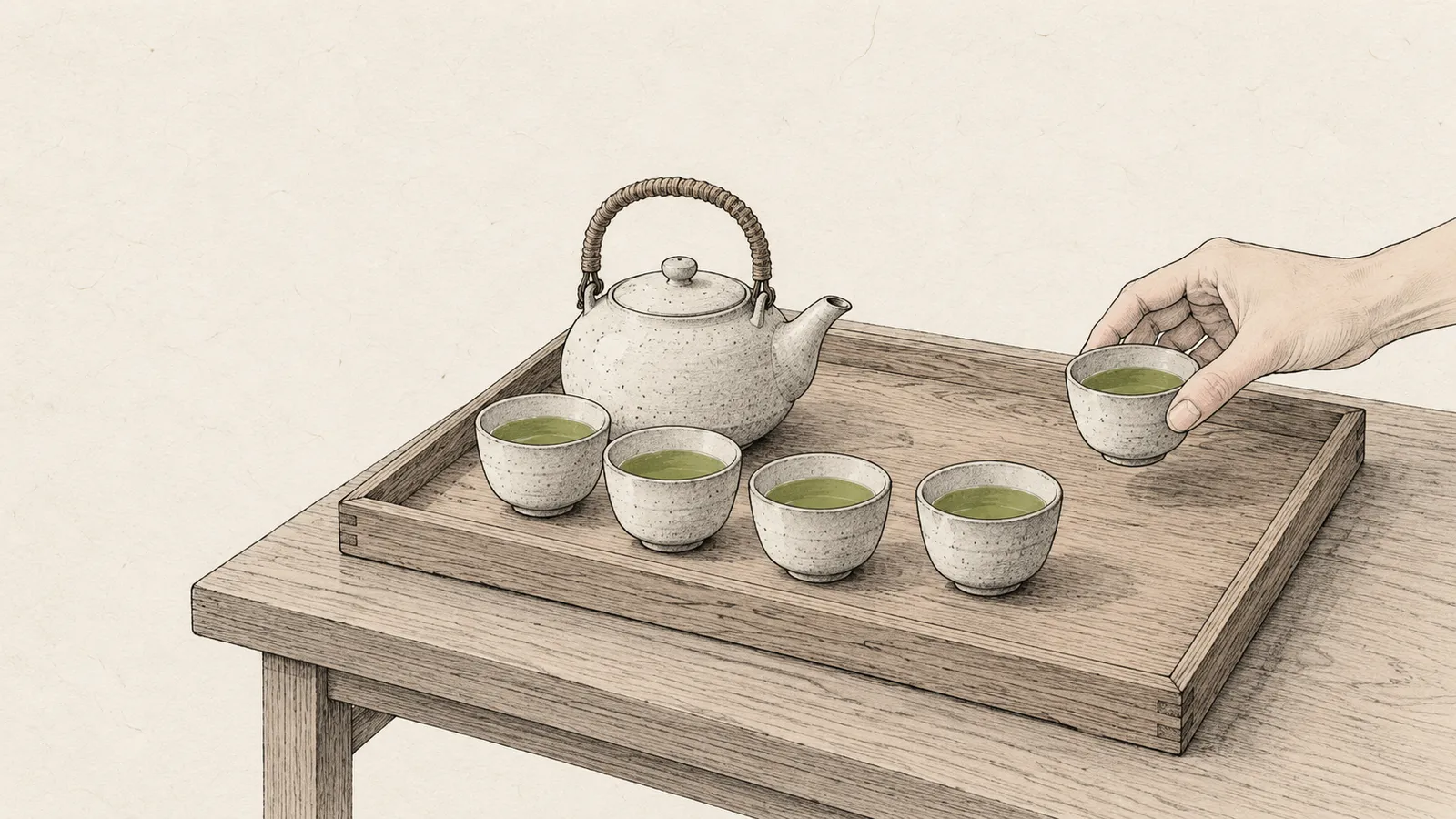
Why do Japanese tea sets come in fives, and almost never in fours?
Look at a Japanese tea set and count the cups. It is usually five. There is a folk explanation, and it hangs on one word that sounds like another.